A custom sweater Bill of Materials (BOM) should give every yarn, trim, label and packaging item its own controlled line with placement, specification, colorway, supplier reference, consumption or quantity, unit, sourcing responsibility, price status and approval evidence. Link the BOM to one tech-pack revision, but keep construction instructions elsewhere. If a buyer cannot identify or cost an item from its row, that row is not production-ready.
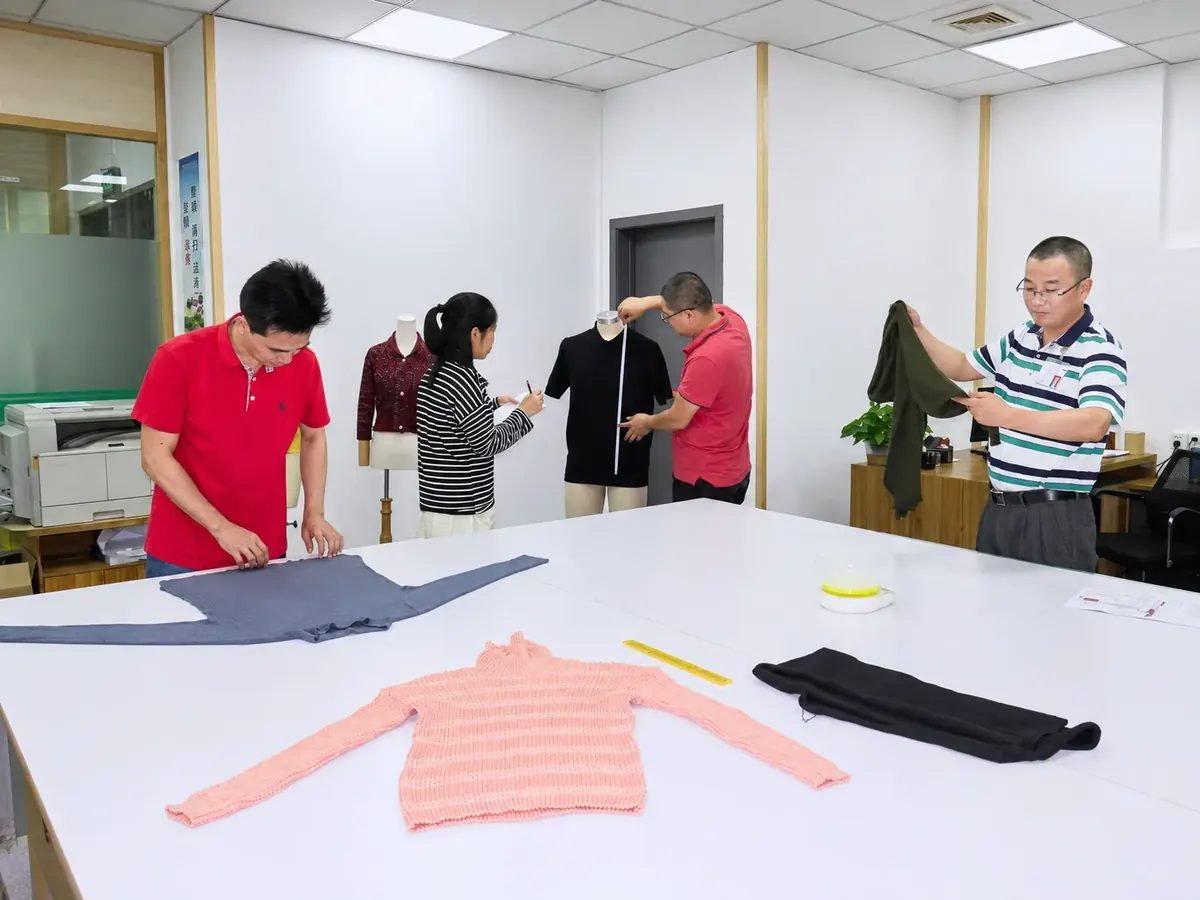
Understand what the BOM controls
The tech pack describes the complete product: drawings, construction, measurements, artwork and quality requirements. The BOM is the component register used to source, cost, issue and verify the physical inputs. A sweater sketch may show a zipper, but the BOM identifies the exact zipper that purchasing should order.
Do not make the BOM carry every instruction. Placement belongs on the row, while detailed attachment, seam or stitch method belongs on a construction page. Measurement tolerances belong in the measurement chart. Keeping ownership clear prevents conflicting instructions from being updated in only one file.
| Required field | Sweater example | Problem prevented |
|---|---|---|
| Item ID/category | YRN-01 body yarn | Similar materials confused |
| Specification | Fiber, count, ply and supplier code | Vague substitute purchased |
| Placement | Body, rib, linking or motif | Wrong component application |
| Colorway | Supplier shade or approved match | One color mapping copied to all SKUs |
| Usage/unit | Measured or provisional grams/unit | Quote and purchase shortage |
| Status/evidence | Proposed, approved or rejected reference | Temporary sample material enters bulk |
List the complete sweater system
Start with every yarn: body, rib, linking, jacquard or intarsia colors, embroidery, elastic or reinforcement and spare repair yarn where specified. Record composition, count system, singles and ply, number of ends, supplier and article code, shade, dye-lot rule, certification or claim scope and intended gauge or use.
Add buttons, zippers, snaps, hooks, tapes, elastic, patches, embroidery backing, thread and any decorative component. Then add main, size, care and origin labels; hangtag, string, barcode and stickers; tissue, polybag, insert, carton, tape and carton marks. A low-cost omitted item can still stop packing.
Give every colorway an explicit mapping
Separate the style-level item from its colorway assignment. The same button may serve all colors, while body yarn, linking yarn, zipper tape or embroidery thread changes. State “same as body,” “contrast” or “all colors” only when the governing reference is unambiguous.
For marl, space-dyed, spray-dyed or intentionally irregular effects, identify the base yarn color and the later finish as different controls. A sprayed color is not a replacement for the yarn shade row. If sizes use different label artwork or trim length, add the size mapping too.
Use orderable specifications
Write enough information for a buyer or factory merchandiser to obtain the intended item without guessing. For a yarn, “100% wool, black” is incomplete; add count and ply, supplier reference or approved route, shade reference and any project-specific performance or documentation. For a zipper, include type, material, teeth or coil, length, tape color, slider, puller, finish and artwork where applicable.
When the buyer has not nominated a source, mark the row “factory to propose” and define the required result. Proposed does not mean approved. Add submission, sample or test evidence and an approval owner before changing the row to bulk-approved.
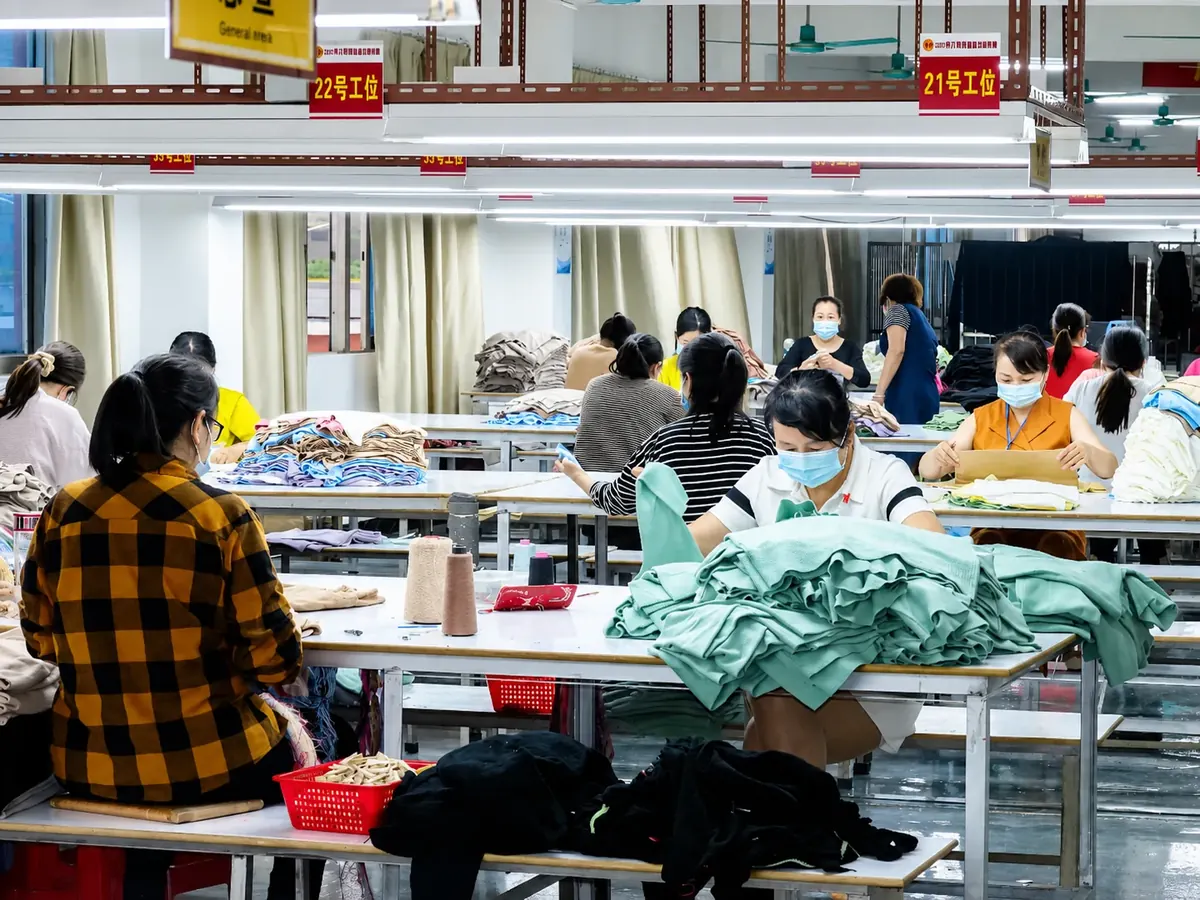
Calculate consumption without false precision
State the unit of measure for every line: grams, kilograms, meters, pieces, pairs, sets, cones, bags or cartons. Distinguish net usage per garment from purchasing allowance, supplier pack size, MOQ and total order requirement. Do not place one unexplained percentage over all materials.
For yarn, use a representative production-intended sample or component calculation, then account for size mix, color fields, linking, development, testing, normal process loss and reserve as named categories. Mark estimates as provisional. Update consumption when yarn, gauge, stitch, size ratio or finish changes.
Connect the BOM to a comparable quote
Add sourcing responsibility, quotation basis, currency, price unit, MOQ, minimum color quantity, surcharge, validity and lead time. A buyer-nominated component may be free-issued, paid directly or purchased by the factory; each route affects unit price, cash timing, customs and responsibility.
Require suppliers to quote the same BOM revision and disclose exclusions. Separate material price from conversion, development, testing, packaging and freight where useful. Never assume a blank price means included at zero cost.
Control revisions and substitutions
Give the BOM a style, revision, date and status. Record changed rows, reason, approver and affected samples, colors or purchase orders. A new overall revision is safer than overwriting the approved supplier code inside an old PDF.
For substitution, compare specification, appearance, knit-and-finish result, consumption, performance, compliance evidence, price, MOQ, lead time and reorder availability. Update the BOM, cost sheet, tech pack references, test plan and label content where affected. Remove superseded versions from production access.
Reconcile purchasing, receiving and bulk
Convert approved consumption and order quantities into a purchasing requirement by line and color. At receipt, check identity, quantity, color or lot, condition and required documents against the approved row and purchase order. Segregate unapproved or mixed materials.
During first bulk and final inspection, confirm the finished garment and pack use the current components. A supplier invoice can support traceability but does not prove correct placement or identity on every garment. Preserve incoming, issue and change records when certification or material claims require a chain of evidence.
Buyer BOM checklist
- One BOM revision is linked to the current tech pack.
- All yarns, trims, labels and packaging have separate rows.
- Every colorway and relevant size has an explicit mapping.
- Specifications are detailed enough to order without guessing.
- Usage, unit, allowance, pack size and MOQ are distinct.
- Proposed and approved materials cannot be confused.
- Quote currency, unit, validity and sourcing owner are visible.
- Substitutions require documented technical and commercial approval.
- Receiving checks use the same approved item identity.
- First bulk and final goods reconcile to the released BOM.
Yushengda develops custom knitwear across 3GG–16GG in wool, cotton, acrylic, viscose, cashmere and blends, subject to the project. Its confirmed MOQ starts at 100 pcs/color, while yarn and trim minimums remain component-specific. Use the tech-pack checklist, the yarn-booking guide, or send your sketch, material references, colorways, quantity and target cost for an RFQ discussion.
Primary reference: Skills for Employment Investment Program, Apparel Merchandising Student Guide, Information Sheet 3.3, defining apparel BOM use and format in production merchandising. Current competitor guides were reviewed only to find missing buyer controls; no item counts, consumption factors, prices, cases, images or wording were reused.