Build a sweater chemical-compliance plan by identifying each sales market, wearer age and product use, then mapping every yarn, dye, finish, print, embroidery, coating, plastic and metal component to applicable law and the buyer's current restricted substances list. Use supplier declarations for traceability and risk assessment, not as automatic proof. Test representative finished components or products through qualified laboratories before shipment.
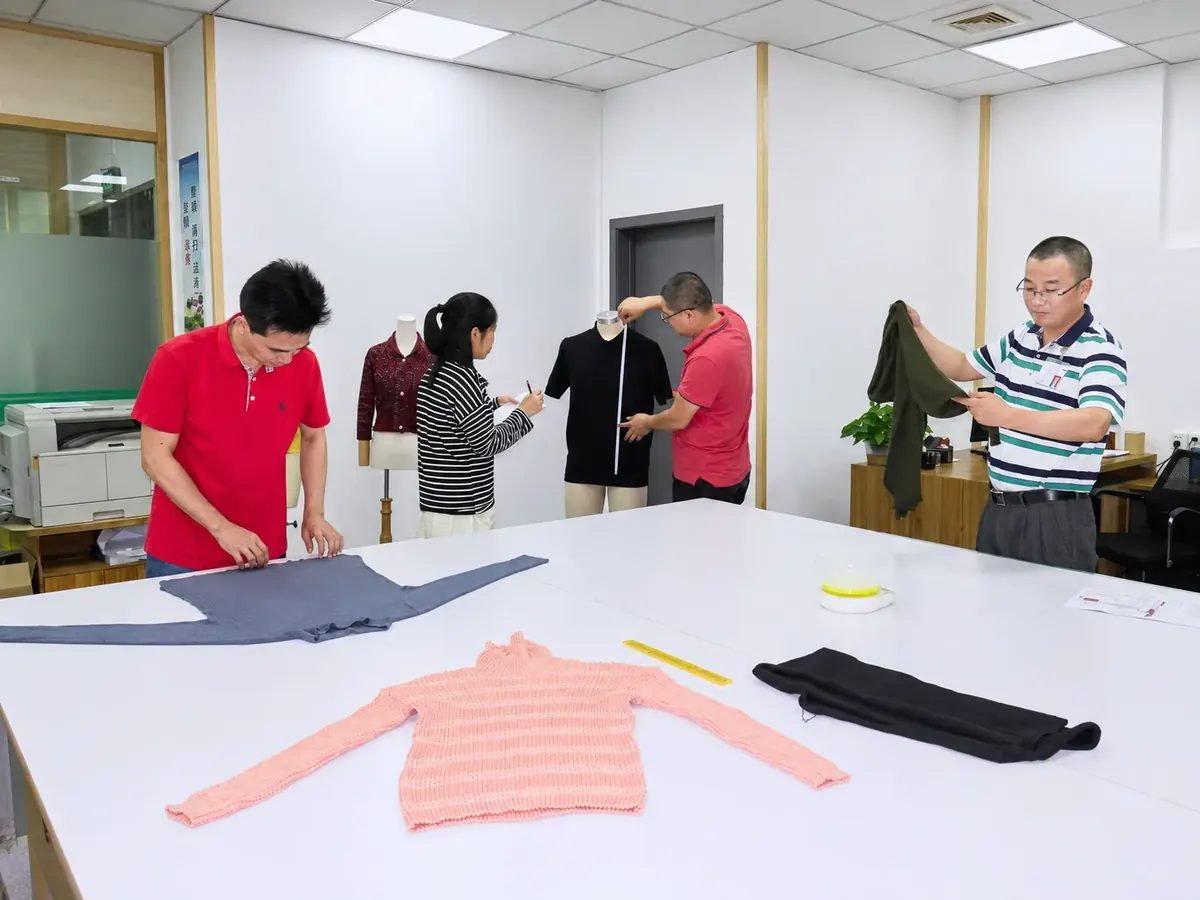
Start with product classification and destination
Write the countries or regions of sale, importer or responsible party, intended age, ordinary apparel or sleepwear status, skin contact, care claim and any retailer program. Requirements can differ between adult and children's products and between general apparel, sleepwear, toys or child care articles.
Ask qualified compliance counsel or the responsible importer to issue the current legal and customer requirement list. A factory should not guess which law applies from the word “sweater.” Freeze the dated requirement revision with the purchase order and define how regulatory changes before shipment are handled.
| Input | Examples to map | Why it changes the plan |
|---|---|---|
| Market | EU member states, United States, retailer markets | Different restrictions, certificates and enforcement |
| User/use | Adult, child, infant, sleepwear, play use | Changes applicable product rules |
| Material | Yarn, linking yarn, embroidery, backing, print, trim | Different substance and accessibility risks |
| Process | Dyeing, washing, softening, spraying, coating | Can introduce or change chemical residues |
| Evidence | Declaration, SDS, test report, certificate | Each document answers a different question |
Separate law, brand RSL and factory controls
Legal restrictions establish mandatory boundaries for the specified jurisdiction and scope. A brand RSL may cover additional substances or use tighter limits. A manufacturing restricted substances list, or MRSL, addresses chemicals used in manufacturing and is not the same as a finished-product RSL.
List all three layers separately with source, revision, limit, method, specimen and responsibility. Passing a customer's RSL can support that contract but does not automatically establish compliance in every market. Conversely, legal compliance does not guarantee acceptance under a retailer's private standard.
Build a component-level BOM risk map
Map main and contrast yarns, linking yarn, elastic, embroidery thread and backing, appliqués, prints, coatings, buttons, zippers, snaps, rivets, labels, adhesives, packaging that contacts the product and every specialty finish. Record supplier, material, color, lot and surface treatment.
Group components only when a qualified rationale shows that material, process, supplier and risk are equivalent. A test on the main wool yarn cannot automatically cover a painted button, plastic zipper pull or printed decoration. Dark and bright colors, metallic finishes, coated parts and externally processed treatments may need separate consideration.
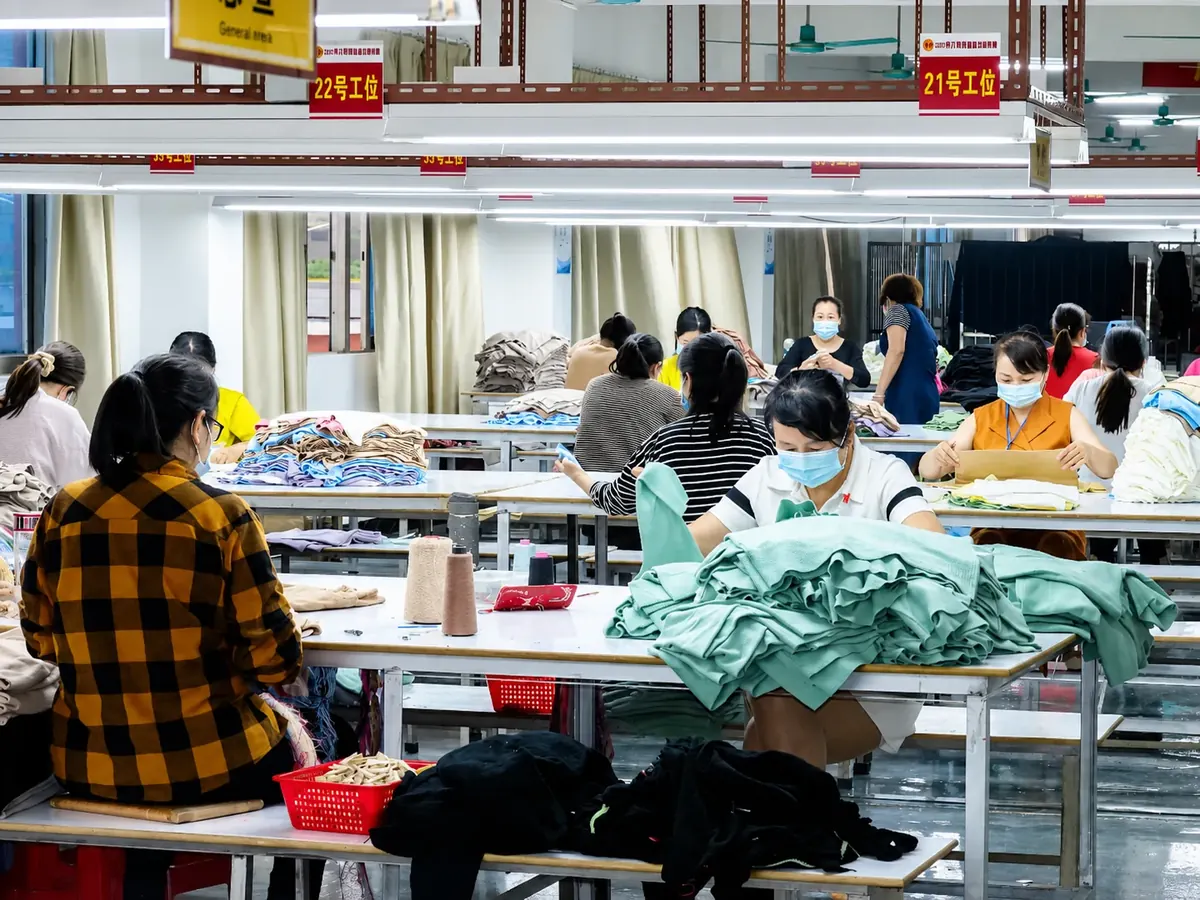
Use EU REACH restrictions by exact entry and scope
ECHA's current Annex XVII restriction document includes Entry 43 for specified azocolourants and azodyes. It restricts dyes that can release listed aromatic amines above the stated threshold in textile or leather articles that may come into direct and prolonged contact with skin or the oral cavity, explicitly including clothing and yarn or fabrics intended for final consumers.
That is one example, not a complete sweater checklist. Other entries may concern substances, articles, materials or contact conditions differently. Use the current consolidated Annex XVII, applicable EU legislation and qualified advice to decide which entries apply to the exact finished product and its components.
Map US children's apparel component by component
CPSC explains that products primarily intended for children 12 or younger can trigger applicable children's product rules, third-party testing by a CPSC-accepted laboratory, a Children's Product Certificate and tracking information. Its clothing guidance identifies lead limits for accessible components and paint or similar surface coatings, with material determinations and testing exceptions that must be applied correctly.
CPSC also explains that phthalate restrictions apply to children's toys and child care articles as defined—not automatically to every ordinary sweater. Some sleepwear for children three or younger can be a child care article. Confirm classification instead of demanding or omitting a phthalate test based only on “kidswear.”
Keep chemical restrictions separate from other safety rules
US wearing apparel is also addressed by 16 CFR part 1610 flammability requirements, while children's sleepwear can fall under different parts depending on classification. Flammability is not an RSL substance test, yet it belongs in the overall compliance matrix and certification decision where applicable.
Likewise, fiber labeling, care labeling, drawstrings, small components and mechanical hazards may require separate review. A laboratory “chemical pass” report should never be presented as a certificate that the entire product meets every legal duty.
Choose specimens and timing from risk
Early yarn or trim screening can prevent an unsuitable route from entering production. Final testing should represent the production-intended material, color, process and component stage. Garment washing, spraying, printing, coating or rework can change the relevant specimen, so decide whether pre-process evidence remains applicable.
Specify who selects samples, how lot identity is maintained, how many colors or worst cases are covered, the laboratory, exact method, limit, units and action for an inconclusive or failed result. Retain chain-of-custody evidence when the commercial or safety risk justifies it.
Review reports instead of collecting PDFs
Check laboratory identity and accreditation scope where required, report date, client, specimen description, style, color, component, lot, test method and edition, detection limit, result, units and stated requirement. Verify that the conclusion matches the data and that pages, amendments and photographs belong to the same report.
A supplier declaration may show commitment and material identity; an SDS describes a chemical product under its scope; a test report records the submitted specimen and method; a CPC or GCC is issued by the responsible manufacturer or importer under applicable CPSC rules. These records are not interchangeable.
Control changes and release shipment
Define retest triggers: supplier, yarn, colorant, finish recipe, coating, print ink, backing, adhesive, trim, subcontractor, rework or legal/RSL revision changes. Block unapproved substitutes from purchasing and production. Connect approved evidence to BOM revision and affected lots.
Before shipment, the brand or responsible party should review open tests, deviations, certificates, tracking information and market documentation. Do not release goods because “the same material passed last year” unless the evidence, scope, current rule and traceability support that conclusion.
Buyer RSL-plan checklist
- Sales markets, age group and product use are classified.
- Current law, brand RSL and MRSL are separate layers.
- Every yarn, finish, decoration and trim is mapped.
- Requirements cite exact source, scope, method and limit.
- EU REACH entries are applied by current product scope.
- US lead, phthalate and certificate duties follow classification.
- Flammability and labeling remain separate compliance rows.
- Specimens represent production colors, processes and lots.
- Reports are reviewed for identity, method, units and scope.
- Changes trigger documented risk review or retesting.
Yushengda develops custom knitwear in wool, cotton, acrylic, viscose, cashmere and blends across 3GG–16GG, subject to the project. Use the test-report review guide, the US/EU fiber-label guide, or send your market list, age group, BOM, finishes and quantity for an RFQ discussion. Buyers remain responsible for confirming current legal and retailer requirements with qualified advisers.
Official references: ECHA, Annex XVII to REACH — Conditions of restriction; US CPSC, Clothing guidance, CPSIA overview and Phthalates FAQ. This is a sourcing framework, not legal advice.