Do not assign one universal HS code to every custom sweater. Before import, document the exact garment, whether it is knitted or crocheted, its construction and coverage, fiber composition by weight, intended wearer, and destination country. Then have the importer or qualified customs representative confirm the current national tariff line and duty treatment. Keep that decision linked to the approved sample, composition evidence and commercial invoice.
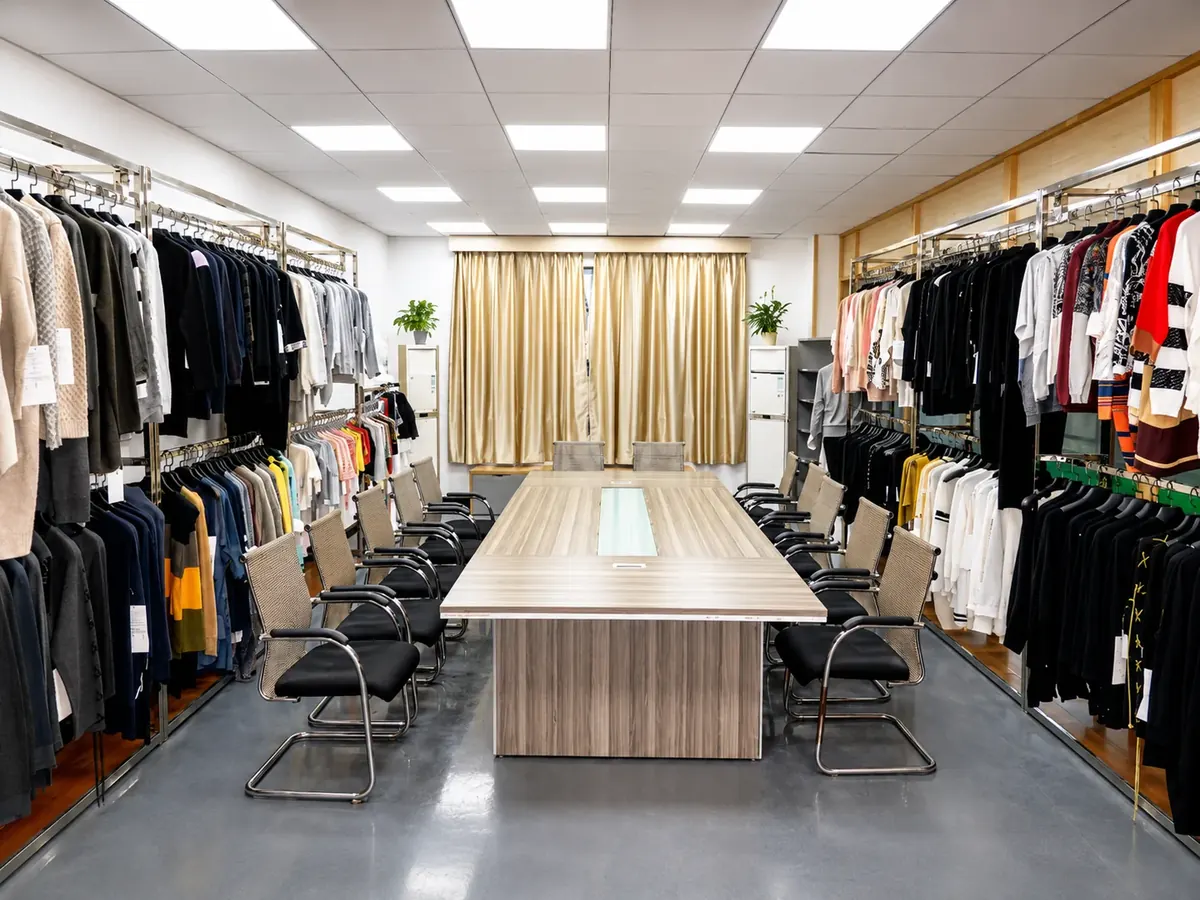
Separate HS headings from destination tariff lines
The Harmonized System provides an international classification structure, but importing jurisdictions extend it through their own nomenclature and statistical subdivisions. The United States uses the HTSUS. The European Union uses the eight-digit Combined Nomenclature and TARIC measures. A short code used for one market may therefore be incomplete or inappropriate for another.
Describe the finished garment before searching
Start with objective characteristics of the imported product, not its marketing name. Record whether it is a pullover, cardigan, sweater vest, knitted dress, trousers, scarf, hat or set; how it opens and closes; coverage and length; sleeves; neckline; and whether pieces are imported together or separately. “Knitted top” is rarely a sufficient customs description.
Heading 6110 in the U.S. tariff schedule covers sweaters, pullovers, sweatshirts, waistcoats and similar knitted or crocheted articles, but that heading does not automatically cover every product a brand calls a sweater. Product construction and the legal tariff language, notes and interpretations control. Ask the classifier what observed feature supports the selected heading.
| Classification input | Evidence to retain | Common mistake |
|---|---|---|
| Garment identity | Finished sample, front/back images and construction description | Using the collection's marketing name |
| Knitted construction | Gauge/stitch description and how components are formed | Assuming all knit-look goods are equivalent |
| Fiber by weight | BOM, yarn specification and relevant test evidence | Classifying from hand feel or product title |
| Wearer category | Approved sizing, design and intended market category | Letting one unisex label decide automatically |
| Destination | Current HTSUS, CN/TARIC or national tariff source | Reusing another country's final digits |
| Origin/treatment | Manufacturing facts and separate origin analysis | Assuming classification proves origin |
Verify fiber composition by weight
Tariff branches commonly distinguish wool or fine animal hair, cotton, man-made fibers and other textile materials. For a blend, the legal classification analysis may depend on the relevant section or chapter notes and material proportions. A commercial name such as “cashmere touch,” “wool feel” or “eco blend” is not composition evidence.
Connect the classification file to the final bill of materials, yarn supplier identity, percentages and any appropriate laboratory evidence. Include contrasting ribs, trims, metallic yarns or other components when they may affect the analysis. A U.S. customs ruling on a women's knit sweater, for example, required analysis of each yarn to assess whether a metallized yarn affected the chief-weight determination; that ruling illustrates fact sensitivity, not a code for other products.
Do not infer category from a sales label alone
Men's, boys', women's, girls', babies' and other provisions can be separated in national tariff schedules. Give the classifier the product's design, sizing, construction, intended wearer and relevant presentation. Do not treat “unisex” as a universal customs answer; ask how the applicable tariff rules resolve the product facts.
Confirm the decision with current official tools
For U.S. imports, search the current USITC Harmonized Tariff Schedule and review the relevant legal notes, units and rates with the importer or customs broker. Prior CBP rulings can show how facts were analyzed, but a ruling issued for another style is not automatically binding for yours. Where uncertainty matters, discuss the appropriate binding-ruling route with qualified customs counsel or the responsible authority.
For EU imports, use the current CN, TARIC and CLASS resources. The European Commission states that Binding Tariff Information is a legal classification decision, generally valid for three years across the EU subject to its rules and the product described. A similarity search is not a BTI decision for your goods.
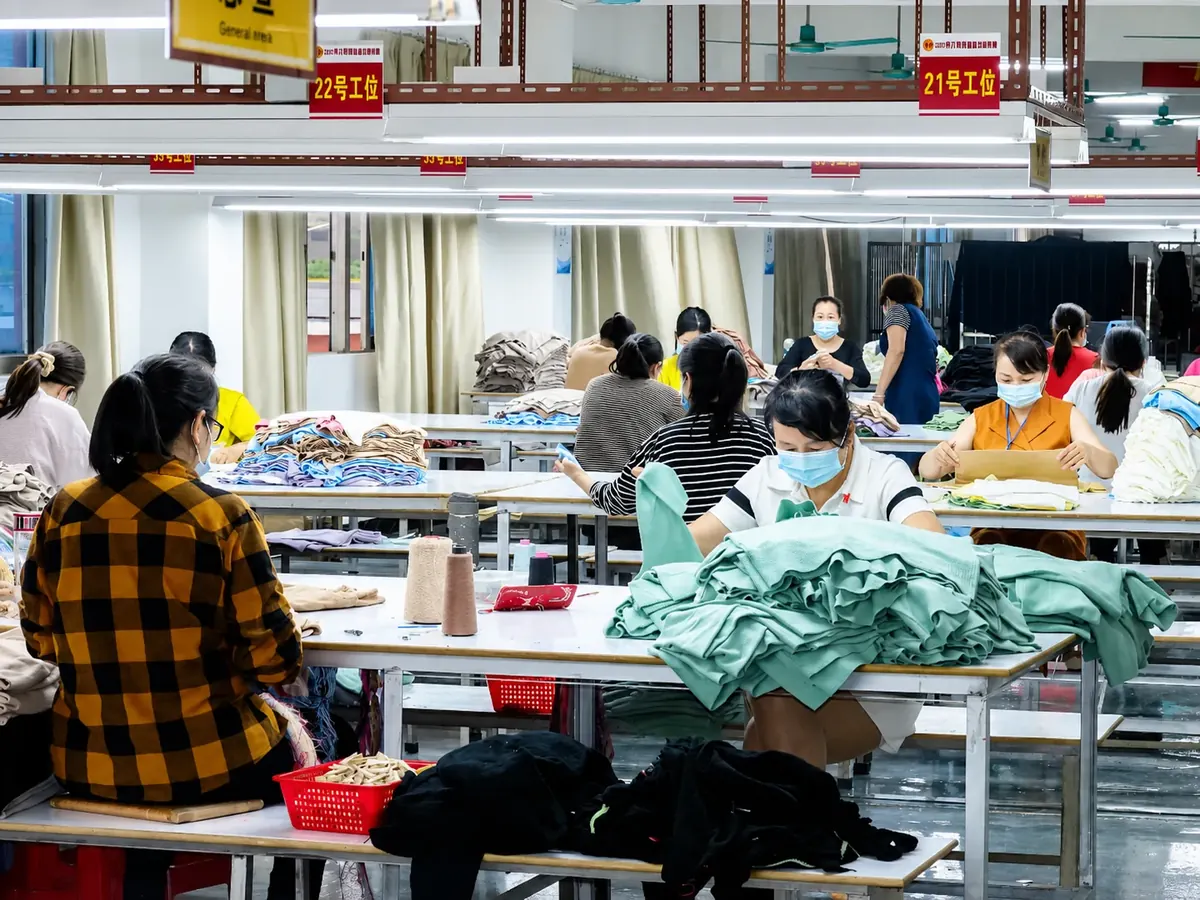
Keep classification, origin and valuation separate
The tariff code identifies the goods under the relevant nomenclature. Country of origin applies its own rules. Customs value uses another legal analysis. Preferential treatment, trade remedies, quotas and additional duties may add further conditions. A correct heading does not by itself prove origin, eligibility for preference or the amount declared.
Align production records and shipping documents
Once confirmed, place the approved description and code in a controlled shipment-data sheet. Reconcile it with the commercial invoice, packing list and customs instructions. The description should remain specific enough to identify the goods—for example, garment type and material—without relying on an internal style number alone.
Trigger re-review when fiber composition, garment construction, gender/age category, component set, destination, manufacturing route or tariff rules change. A yarn substitution is not only a costing or hand-feel decision when it changes the composition basis used for classification.
Buyer tariff-classification checklist
- The finished garment type and construction are documented.
- Knitted or crocheted status is supported by product facts.
- Final fiber percentages connect to the BOM and evidence.
- Contrasting or special yarns are disclosed for review.
- Wearer category is evaluated under destination rules.
- The current destination-country tariff source is used.
- Classification, origin, valuation and preference are separate.
- A qualified importer representative confirms the final line.
- Invoice description and code match the shipped product.
- Material, design or market changes trigger re-review.
Yushengda develops custom knitwear in wool, cotton, acrylic, viscose, cashmere and blends across 3GG–16GG, subject to the confirmed project. Those capabilities do not determine a tariff code. Use the fiber-content guide, invoice and packing-list checklist and Incoterms® comparison, or send the product specification, composition and destination for manufacturing-data preparation; final classification remains with the responsible importer and its advisers.
Primary references: U.S. International Trade Commission, current Harmonized Tariff Schedule; European Commission, Tariff Classification of Goods and European Binding Tariff Information. This is an evidence-preparation guide, not a classification ruling, duty quote or legal opinion. Competitor content was reviewed only for search intent and gaps; no codes, rates, cases, wording, images or claims were reused.