Verify a cashmere or wool sweater claim by locking the fiber percentages and yarn identity in the purchase specification, tracing production yarn by supplier and lot, and testing representative material or finished garments with a qualified laboratory using a method suited to the claimed animal fibers. Review the specimen, method, uncertainty and result—not only the word “pass”—and retest when yarn, supplier, blend or lot risk changes.
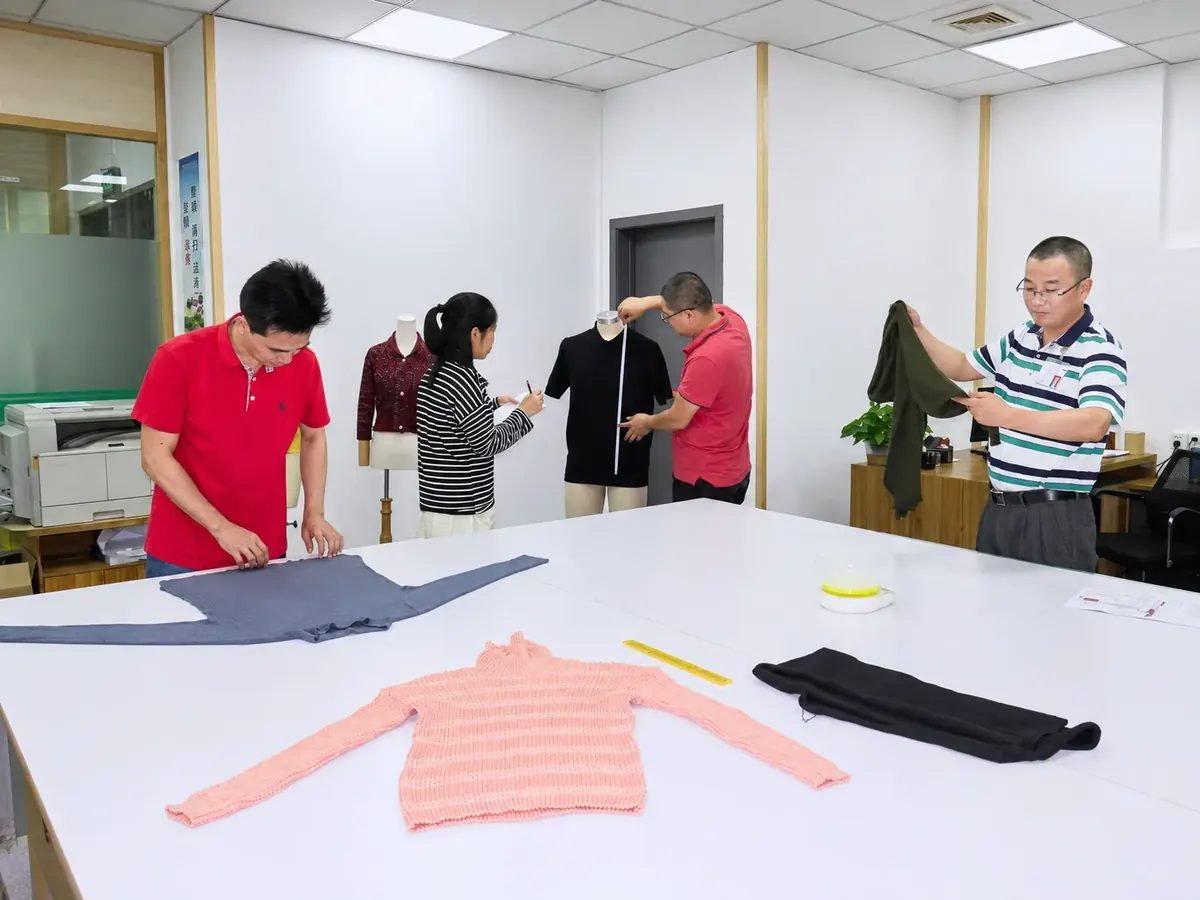
Write an auditable composition claim
State percentages by fiber, using the destination market's required generic names and rounding rules. Identify whether the claim applies to the whole product or to a named component such as the main body, trim or decoration. A specification reading “cashmere blend” does not tell purchasing, labeling or a laboratory what must be verified.
Keep composition separate from quality attributes. Fiber fineness, length, color, origin, recycled status, spinning system, yarn count and ply may affect price and performance, but they are not interchangeable with percentage. Likewise, “cashmere feel,” “luxury wool” and a soft finish do not establish animal species or blend ratio.
| Evidence | What it can support | What it cannot prove alone |
|---|---|---|
| Supplier declaration | Declared yarn identity, source and lot | Independent verification of actual fibers |
| Invoice/BOM | Commercial chain and intended consumption | Contents of the tested garment |
| Certification | Claims inside the certificate's exact scope | Unrelated cashmere percentage or every shipment |
| Hand feel | Subjective approval of softness | Cashmere identity or quantity |
| Laboratory report | Result for the submitted specimen and method | Untested lots without traceability rationale |
Understand the US cashmere claim
The US Federal Trade Commission explains that wool-product labels must accurately disclose fiber content, country of origin and the responsible business identity. Its cashmere guidance gives the example that a sweater containing sheep's wool and cashmere should disclose the percentages separately, such as 80% Wool and 20% Cashmere.
The FTC also notes that a product called cashmere must meet the Wool Act definition, including fiber-diameter conditions, and recommends that importers test imported goods periodically to verify label accuracy. The FTC's broader guidance says the manufacturing-variation tolerance does not apply to claims that a product is entirely one wool fiber, such as 100% Cashmere. Use the current rule and legal advice for the specific US claim.
Map EU names and percentages separately
For EU sales, Regulation (EU) No 1007/2011 governs textile fiber names and related labeling and marking of fiber composition. Build the label from the regulation's current permitted names, product scope and component rules; do not simply reuse US wording.
The responsible EU economic operator should confirm whether linings, trims, embroidery or other components are included or separately treated and how tolerances apply. A laboratory composition result supports a material fact, but it does not automatically prove that placement, language availability, traceability and every other labeling duty are correct.
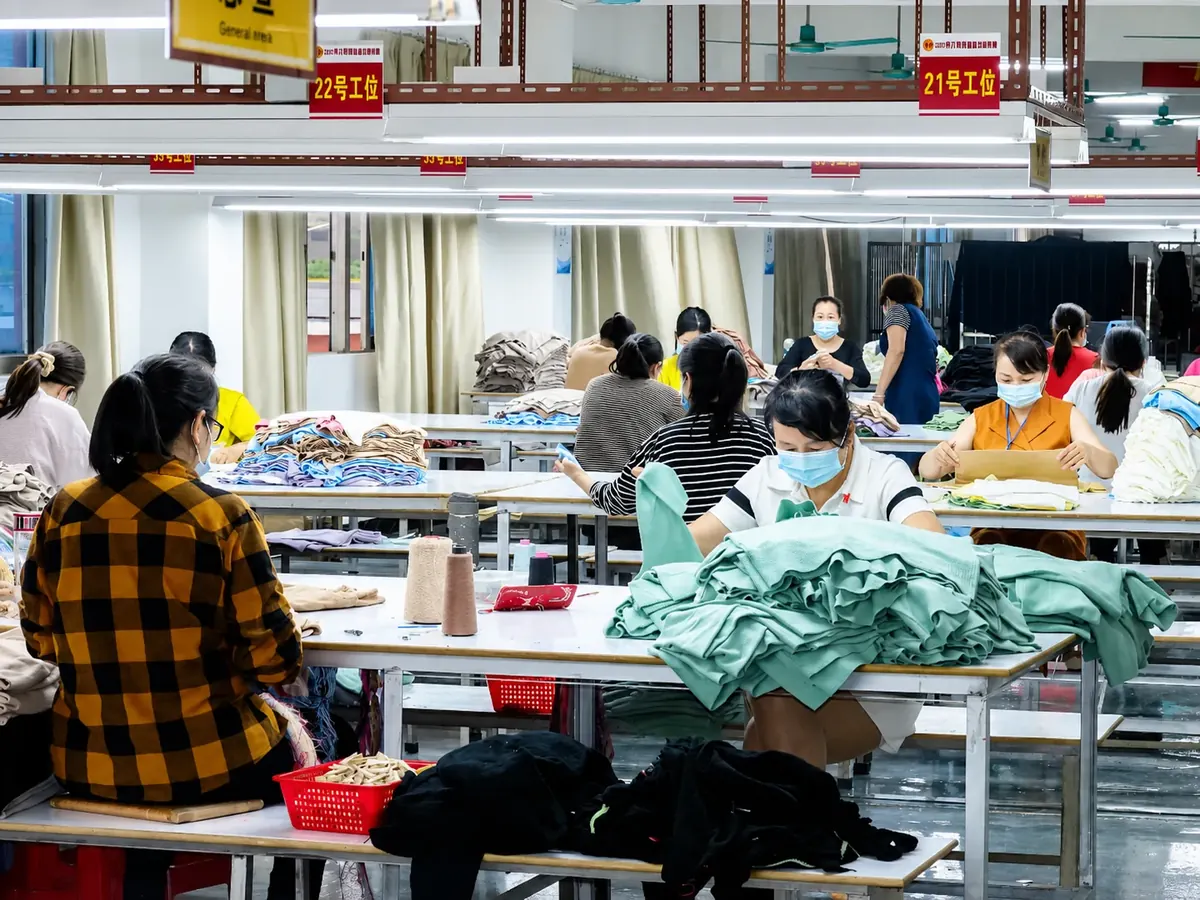
Select a method for the actual blend
ISO 17751-1:2023 specifies light-microscopy identification and qualitative and quantitative analysis of cashmere, wool, other specialty animal fibers and their blends. The method scope makes it relevant to a claimed cashmere-wool blend; the laboratory must still decide whether it is suitable for the exact specimen and reporting need.
Animal fibers can be difficult to distinguish after processing, and a result may include stated uncertainty, classification limitations or an inconclusive finding. Do not demand that a lab turn ambiguous microscopic evidence into a false exact number. Ask which method edition, preparation, counting or calculation, laboratory competence and decision rule will be used before submitting the sample.
Choose specimens that answer the commercial question
Early testing of nominated yarn can prevent an unsuitable material from entering development. Finished-garment testing checks what is actually presented for sale. Decide whether the risk requires one or both stages. Identify yarn supplier, yarn code, color, dye lot, cone or batch, garment style, size, production lot and component sampled.
For multiple colors or suppliers, use a documented risk rationale rather than automatically testing the easiest pale sample. Mélange effects, recycled inputs, specialty finishes, blended trims and yarn substitutions may require separate specimens. If the collar or cuff uses a different yarn, a body-only cutting cannot support that component.
Prevent sampling and chain-of-custody gaps
Define who selects the specimen and whether selection is random, buyer-nominated, third-party witnessed or factory submitted. Seal and label it, photograph the source garment or cones, record quantity and condition, and retain dispatch and laboratory receipt information where the risk justifies it.
A genuine laboratory report on a development cone does not prove that an untraced bulk garment used the same yarn. Link approved test evidence to the BOM revision, purchase order, incoming-yarn records, issue records and affected production lots.
Read the complete report
Check laboratory identity and relevant accreditation scope where required, client, report date, sample description, photographs, style, color, component, lot, method and edition, preparation, reported percentages, uncertainty or limitations, requirement and conclusion. Confirm that every page and amendment belongs to the same report.
“Pass” is only meaningful when the report identifies the acceptance rule. Compare the numerical result and its stated uncertainty with the declared composition and market rule. If a report groups fibers or uses terminology different from the intended label, obtain technical clarification before approving artwork.
Keep composition and performance decisions separate
Correct cashmere percentage does not establish pilling resistance, dimensional stability, colorfastness, hand feel or durability. Those outcomes depend on fiber quality, yarn construction, knitting and finishing and require their own specifications or tests. Conversely, a soft sweater that performs well can still carry an inaccurate fiber claim.
Origin, animal-welfare, organic or recycled claims also require separate evidence. Do not present a composition microscopy report as proof of geographic origin, certification status or supply-chain custody.
Control changes through bulk and reorders
Require written approval before changing yarn supplier, code, blend, color route, spinning source or lot allocation. Define when documentary review is enough and when new testing is needed. Check incoming yarn identity and prevent unapproved mixing across the knitting floor.
For reorders, do not rely automatically on the previous report. Confirm whether the supply chain, yarn reference, lots, claim and method remain applicable. Retain a sealed garment or yarn reference and the evidence package for the period required by the buyer and destination market.
Buyer cashmere-verification checklist
- Exact fiber percentages and covered components are specified.
- Composition is separate from fineness, origin and hand feel.
- US and EU label decisions use their current rules.
- The method matches the claimed animal-fiber blend.
- Yarn-stage and garment-stage testing answer defined risks.
- Colors, lots, suppliers and components are sampled rationally.
- Chain of custody links the specimen to production.
- The full report, limitations and uncertainty are reviewed.
- Performance and certification claims have separate evidence.
- Substitutions and reorders trigger documented reassessment.
Yushengda develops custom knitwear in wool, cashmere and blends, alongside cotton, acrylic and viscose options, across 3GG–16GG subject to the project. Composition and material claims must be confirmed for each order. Use the US/EU fiber-label guide, the test-report review guide, or send your intended blend, yarn reference, markets, quantity and evidence requirements for an RFQ discussion.
Primary references: US FTC, Cachet of Cashmere and Threading Your Way Through the Labeling Requirements; ISO, ISO 17751-1:2023; EU Regulation 1007/2011 on textile fiber names and labeling. Competitor material was reviewed only for gaps; no claims, test settings, cases, images or wording were reused.