Before paying for a low-MOQ sweater order, agree what happens to yarn and custom trims that remain after production. The agreement should identify who paid for each material, who owns the residue, how usable quantity will be measured, how it will be labelled and stored, the storage period and cost, whether it can support a reorder, and what happens at expiry. Leftover material is not automatically free reorder stock, and physical stock does not guarantee future color or quality matching.
Why a 100-piece order can create more than 100 pieces of material
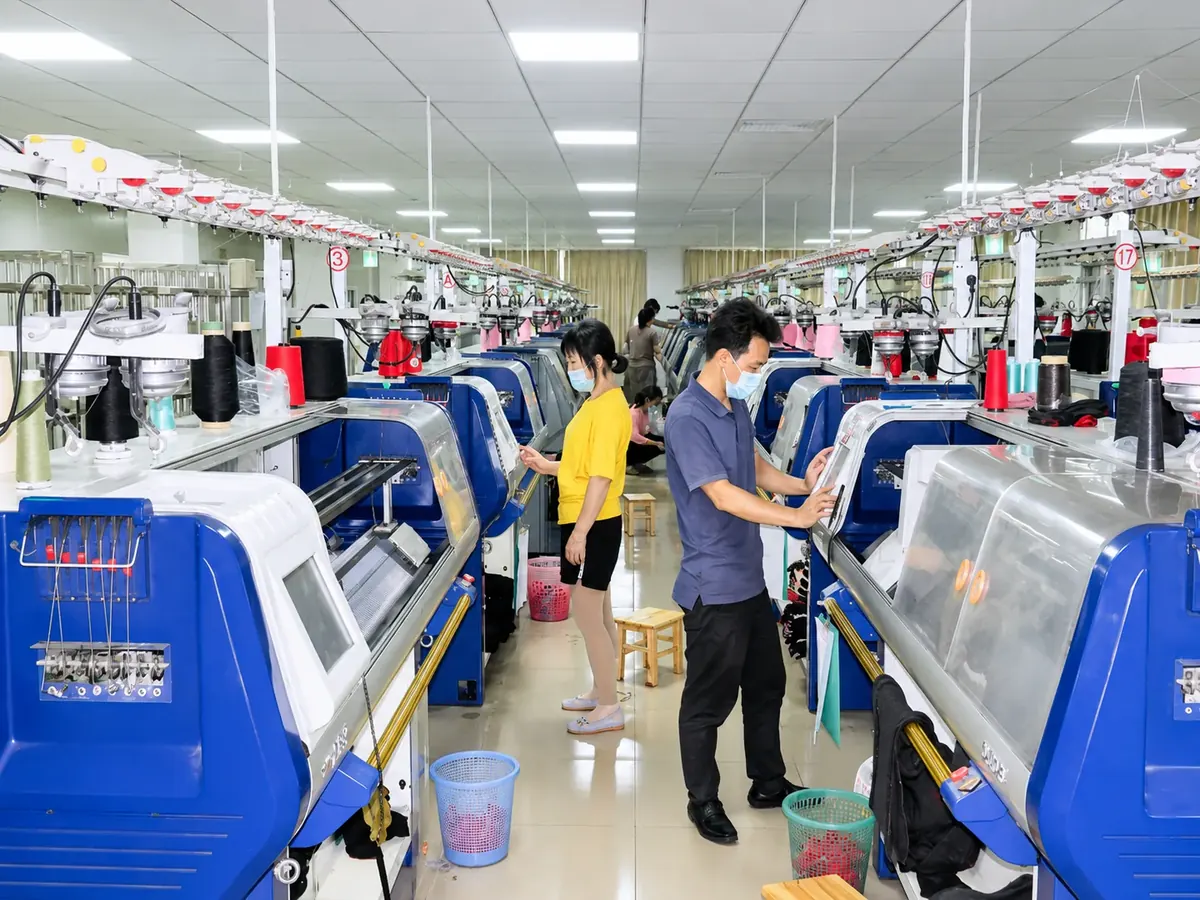
The garment quantity and the supplier’s material purchasing unit are different decisions. Yarn may be supplied by cone, pack, stock color or custom dye lot. Woven labels, care labels, hangtags, buttons, bags and stickers can each have their own setup and minimum quantity. A low garment MOQ therefore may leave paid or included material after sampling, production, replacements and quality allowance.
Do not assume every remainder is commercially reusable. Open cones, short yarn ends, damaged labels, printed components with an old legal statement or colors from a different dye lot may have little reorder value. The quotation should distinguish purchased input, estimated consumption, process allowance and the definition of a usable residual balance.
Put residual-material terms into the quotation
Ask the supplier to state whether yarn and trims are included in the garment price, charged as separate minimum packs, supplied by the buyer or purchased on the buyer’s behalf. Then assign title and risk in writing. Payment for a surcharge does not by itself explain whether the buyer owns the remainder, receives a future credit or has only covered the cost of a small run.
| Agreement item | Question to answer | Evidence |
|---|---|---|
| Cost basis | Included, separate charge, buyer-supplied or held on account? | Quotation line and supplier invoice |
| Ownership | Who owns usable residue and from what event? | Purchase order term |
| Quantity | Gross remainder or estimated usable quantity? | Reconciliation record by unit |
| Identity | Which yarn/trim code, color, lot and artwork revision? | Labelled stock record and photos |
| Storage | Where, how long, at what cost and risk? | Dated storage acknowledgement |
| Disposition | Return, reuse, credit, destruction or disposal? | Written instruction and closeout record |
Reconcile stock after the order closes
Create a simple material statement for each buyer-specific item. For yarn, show identity, received quantity where recorded, issued quantity or production use basis, returns from the floor and remaining usable cones or packs. For labels and trims, show ordered, received, applied, rejected, damaged, packed as spares and remaining units. State whether the balance is counted, weighed or estimated.
Photos should show the identifier and condition without exposing another customer’s information. They support the record but do not replace it. A picture of several cones cannot prove fiber content, dye lot, net weight or ownership. If exact reconciliation is commercially important, define the measurement method and tolerance before production.
Protect identity and exclusivity
Buyer-branded labels, logo trims and custom artwork should be segregated and linked to the correct buyer, style and revision. State that they cannot be used for another customer or unauthorized production. Decide whether obsolete branded materials must be returned, destroyed with evidence or held pending written instruction.
For yarn, record supplier, article or quality code, fiber description, count or ply, color reference, dye lot, cone or pack identifiers and related approved sample. Do not merge visually similar leftovers without approval. A stock code is not enough when a new lot can differ or when the original specification has changed.
Define storage without promising indefinite usability
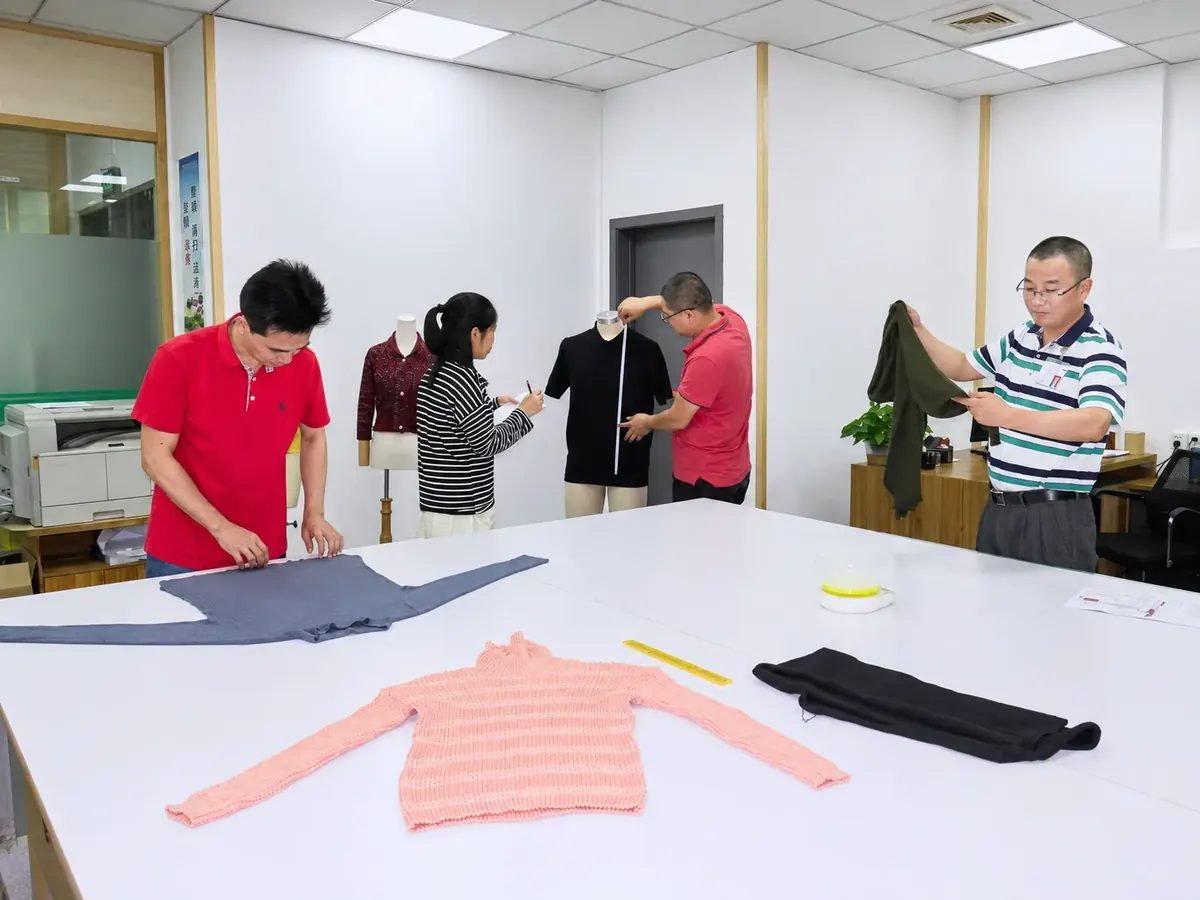
Specify the storage location, start date, review date, maximum period, environmental and packaging expectations, access, insurance or loss responsibility and any fee. The suitable period depends on fiber, packaging, warehouse conditions, component construction and supplier policy; do not copy a universal number from another factory.
Schedule an inventory confirmation before expiry and before every reorder. Check physical quantity, identification, contamination, moisture or mould evidence, pest damage, fading, brittleness, corrosion, adhesive aging and artwork validity as relevant. A database balance is not a release inspection. Buyer and supplier should decide whether unusable material is replaced, credited, returned or disposed of under the contract.
Do not promise a perfect reorder match
Residual yarn can reduce new purchasing, but it may not cover the full size-color order or production allowance. Mixing an old balance with new yarn can create shade or behavior differences. Test compatibility and approve the lot plan before knitting. If the original sweater used a special finish, the leftover raw yarn alone does not preserve the full production route.
Likewise, stored buttons, labels and packaging may no longer match the current garment, retailer manual or legal content. Recheck artwork, fiber and origin statements, care instructions, size scale, barcode data, materials and attachment method. “Same as last order” is not a substitute for a released reorder specification.
Choose a clear closeout option
At order close, select one of five paths for each material: retain for a named reorder window; ship to the buyer; credit under a pre-agreed method; authorize use on another buyer-owned style; or destroy/dispose with an agreed record. Confirm freight, customs and handling before returning material internationally. Small residual quantities may cost more to move than their practical value, but that commercial decision belongs to the parties.
Buyer residual-stock checklist
- Material purchasing units and minimums are disclosed.
- The quotation separates included and separately charged inputs.
- Ownership and risk are written, not assumed.
- Usable balance has a defined measurement method.
- Yarn lot, component code and artwork revision are traceable.
- Branded items are segregated and protected from unauthorized use.
- Storage location, period, cost and review date are agreed.
- Physical condition is checked before a reorder.
- Old and new lots are not mixed without approval.
- Expiry leads to a documented return, credit, reuse or disposal decision.
Yushengda’s confirmed production MOQ is 100 pieces per color. Residual yarn and custom trim arrangements depend on the actual supplier minimums, quotation and written order terms; this article does not promise free storage, exact recovery, reorder matching or credit. Use the yarn-booking guide, quote-lock guide and reorder color guide, or send the yarn, quantity, color plan and custom-trim list for a project-specific quotation.
Research note: Current competitor guides were reviewed to understand how suppliers discuss low-MOQ cost, yarn minimums and packaging inputs. Their example percentages, prices, yarn weights, supplier minimums and factory claims were not reused because these values are project- and supplier-specific. The workflow above is a buyer-side agreement structure, not a statement of universal industry terms.