Request a sweater corrective action report when a significant, repeated or systemic nonconformity needs more than sorting or repair. The report should define the requirement and observed failure, identify affected and potentially affected goods, document immediate containment, test possible causes against evidence, assign actions and owners, and specify how recurrence will be checked. Do not close it because one repaired sample passes.
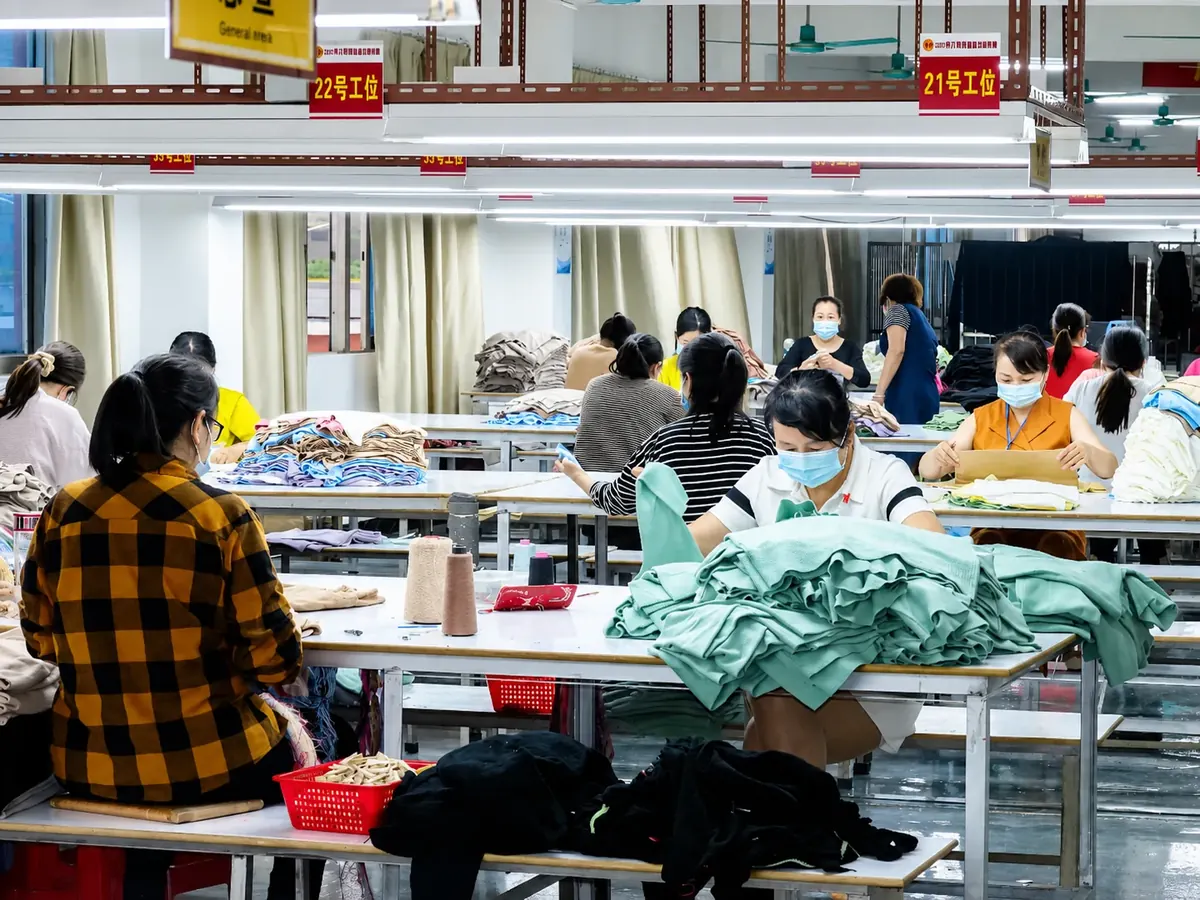
Know when a formal report adds value
Not every isolated minor defect needs a full corrective action process. Use risk and recurrence to decide. A formal report is useful when the same defect repeats across units or orders, a failure affects function, labeling or customer use, inspection fails, the source is uncertain, containment spans several production groups, or an earlier correction did not prevent recurrence.
The buyer and supplier should agree the trigger, response deadline and decision authority in the quality agreement. A corrective action report supports investigation; it does not replace contractual remedies, product-safety review, required testing or shipment approval.
Separate correction from corrective action
A correction addresses the detected nonconformity: repair an open linking seam, replace a wrong label, sort shade groups or remove defective units. Corrective action addresses the cause so the same failure does not recur. Both may be necessary, but they answer different questions.
The ISO 9001 Auditing Practices Group defines correction as action that eliminates a detected nonconformity and corrective action as action that eliminates its cause and prevents recurrence. Therefore, “100% inspection completed” can describe containment or correction; it is not proof that the knitting, linking, washing, approval or data-control cause has changed.
Write a measurable problem statement
State the controlling requirement and revision, what was observed, where and when it was found, style-color-size, quantity checked, quantity affected, lot or production identity, defect location and evidence reference. Include clear images and measurements where relevant, but retain the physical sample when appearance, hand or construction cannot be judged reliably from photographs.
Avoid labels such as “poor workmanship” or “operator careless.” They are conclusions, not problem definitions. “Linking opening” is also incomplete unless the report identifies seam, stitch or location, affected production group and comparison with the approved construction or defect rule.
| Report section | Required evidence | Weak response |
|---|---|---|
| Problem | Requirement, finding, scope and sample basis | Quality not good |
| Containment | Held quantities, locations, checks and results | Warehouse informed |
| Cause | Tested hypothesis linked to failure evidence | Worker mistake |
| Action | Process change, owner, due date and record update | Be more careful |
| Verification | Population, timing, metric and acceptance rule | QC will monitor |
Contain before investigating
Identify and control all potentially affected yarn lots, knitting or linking groups, wash batches, work in progress, finished garments and cartons. State who stopped release, where goods are held, how already packed or shipped units are handled and what temporary inspection protects the next output.
Containment should be broad enough to protect the buyer while the scope is uncertain, then narrowed using evidence. Do not hide the original defect by repairing every sample before identity, quantity and location are recorded. Preserve failed and conforming comparisons for investigation.
Require evidence for the proposed root cause
List plausible factors across material, machine, method, measurement, people and environment where relevant. Compare what changed, where the defect appears and where it does not. Review yarn identity, program or setting revisions, first-off records, machine or operation group, wash route, approved sample, inspection history and timing.
“Human error” should not end the analysis. Ask what system allowed the error: an ambiguous instruction, obsolete file, missing first-piece check, uncontrolled setup, inadequate fixture, mistaken material identity or ineffective response to an earlier signal. Training may be part of the action, but only when the required behavior, responsible people, competency check and process control are defined.
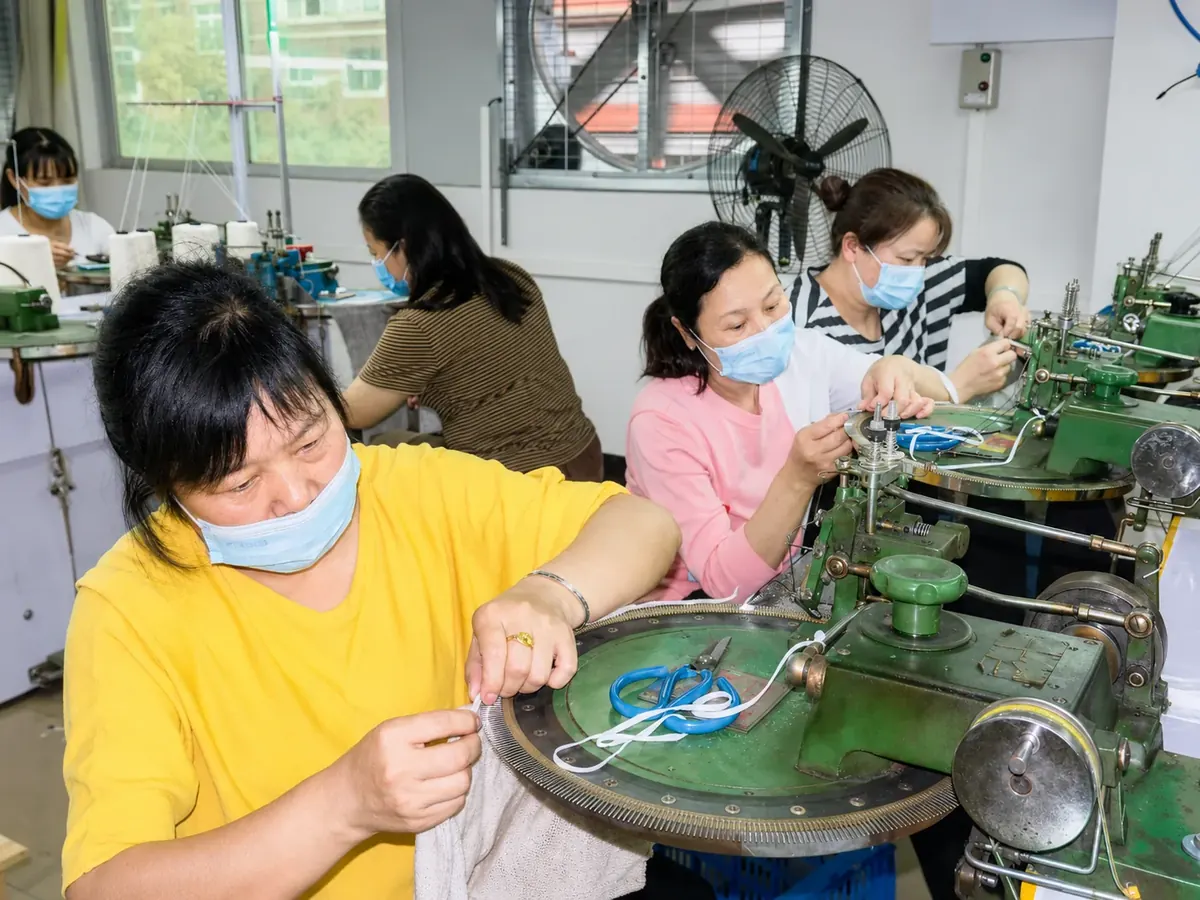
Turn the cause into controlled action
Every action needs an owner, due date, required evidence and affected document. Depending on the verified cause, actions may update the yarn-receipt rule, knitting program control, linking instruction, wash recipe authorization, measurement method, sample approval, first-off check, maintenance requirement or inspection plan.
Assess whether the same cause can affect other colors, sizes, styles, machines or current orders. Extending a justified control is different from copying the same action everywhere. Keep product correction, process corrective action and broader risk review as distinct rows so completion is visible.
Verify effectiveness before closure
Define in advance what evidence will show the action worked: which future production groups, how many checkpoints, which characteristic, who reviews results and what acceptance rule applies. Use actual post-action output, not only a trial prepared by the person who designed the fix.
A single passing garment can confirm that correction is possible; it rarely demonstrates sustained effectiveness. Review recurrence over an appropriate production period and close only when actions are implemented, records updated and results meet the planned criterion. If the defect returns, reopen the investigation rather than changing the description to make it pass.
Buyer corrective-action checklist
- The exact requirement and nonconformity are identified.
- Affected and potentially affected populations are traceable.
- Containment covers work in progress, packed and shipped goods.
- Correction is distinguished from recurrence prevention.
- Possible causes are tested against production evidence.
- Generic “operator error” is challenged at the system level.
- Actions have owners, dates, evidence and document revisions.
- Related products and processes receive a risk review.
- Effectiveness criteria are defined before closure.
- Shipment release remains a separate authorized decision.
Yushengda supports customer-nominated third-party inspection for custom knitwear, subject to the confirmed order and agreed scope. Use the failed-inspection response guide, repair and rework standard and quality-agreement guide, or send the specification, finding, affected quantities and required decision date for a project-specific review.
Primary reference: ISO 9001 Auditing Practices Group, Reviewing and Closing Nonconformities, for distinguishing correction from corrective action, investigating possible contributing factors and confirming the actual cause. This article applies those general quality-management principles to custom knitwear; it is not ISO certification advice. Competitor material was reviewed only for topic gaps; no forms, cases, claims, wording or images were reused.