Retain at least one clearly identified approved reference and an order-representative bulk sample when the product risk, contract or repeat-order plan justifies it. Record sample type, style-color-size, revision, material and lot links, approval status, date, condition, custodian and storage location. Set the retention period in writing; there is no universal number of months that fits every custom sweater order.
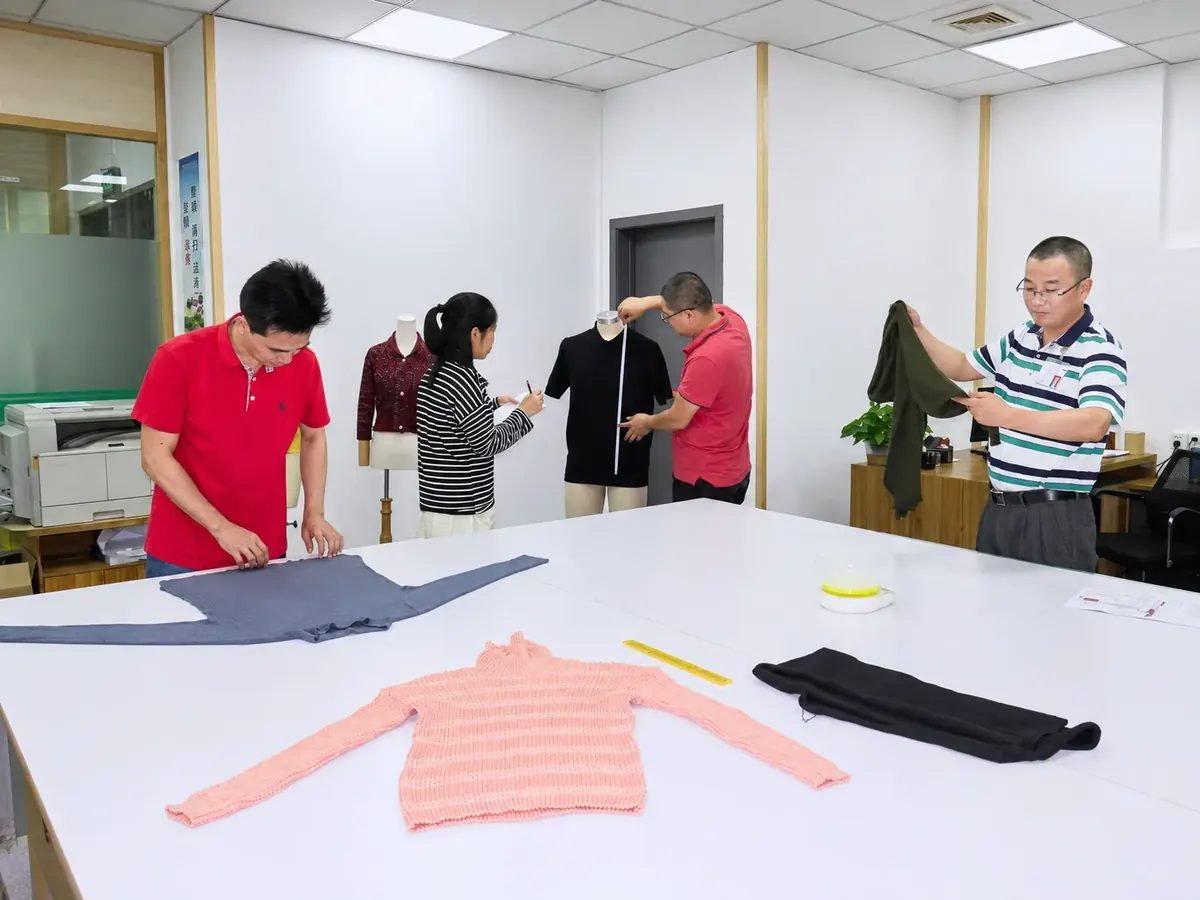
Keep different samples for different questions
An approved or sealed sample represents the buyer-authorized product baseline within its recorded scope. A top-of-production or retained bulk sample represents material actually produced. A laboratory specimen represents only the item submitted and tested. A complaint return represents the customer's reported condition after an unknown or documented use history.
These samples are not interchangeable. The approved sample can show intended construction and appearance but cannot prove that all bulk units conform. A bulk sample can support comparison with shipped production but does not retroactively change the approved requirement. A passing test specimen cannot prove unrelated lots without a defensible sampling and traceability link.
| Sample type | Main purpose | Important limitation |
|---|---|---|
| Approved reference | Define authorized physical baseline | Cannot show later bulk variation |
| Bulk retention sample | Represent identified production group | Must be randomly or responsibly selected |
| Test specimen | Link a reported result to material | May be consumed or altered by testing |
| Complaint return | Investigate reported field condition | Care, wear and custody history may be incomplete |
| Boundary sample | Show agreed acceptable/unacceptable appearance | Needs condition and active-status control |
Assign a unique identity before storage
Label every retained garment with buyer or program, PO, supplier style, buyer SKU, color and size, sample type, submission round or production lot, tech-pack revision, approval or selection date and status. Connect the physical tag to the approval comments, measurements, yarn and color references, test reports and inspection evidence.
Do not write only “golden sample.” Two teams may hold different garments under the same description. If buyer and supplier keep counterpart references, record whether they came from the same submission or production group and photograph the seals or identifiers before separation.
Protect the sample from silent change
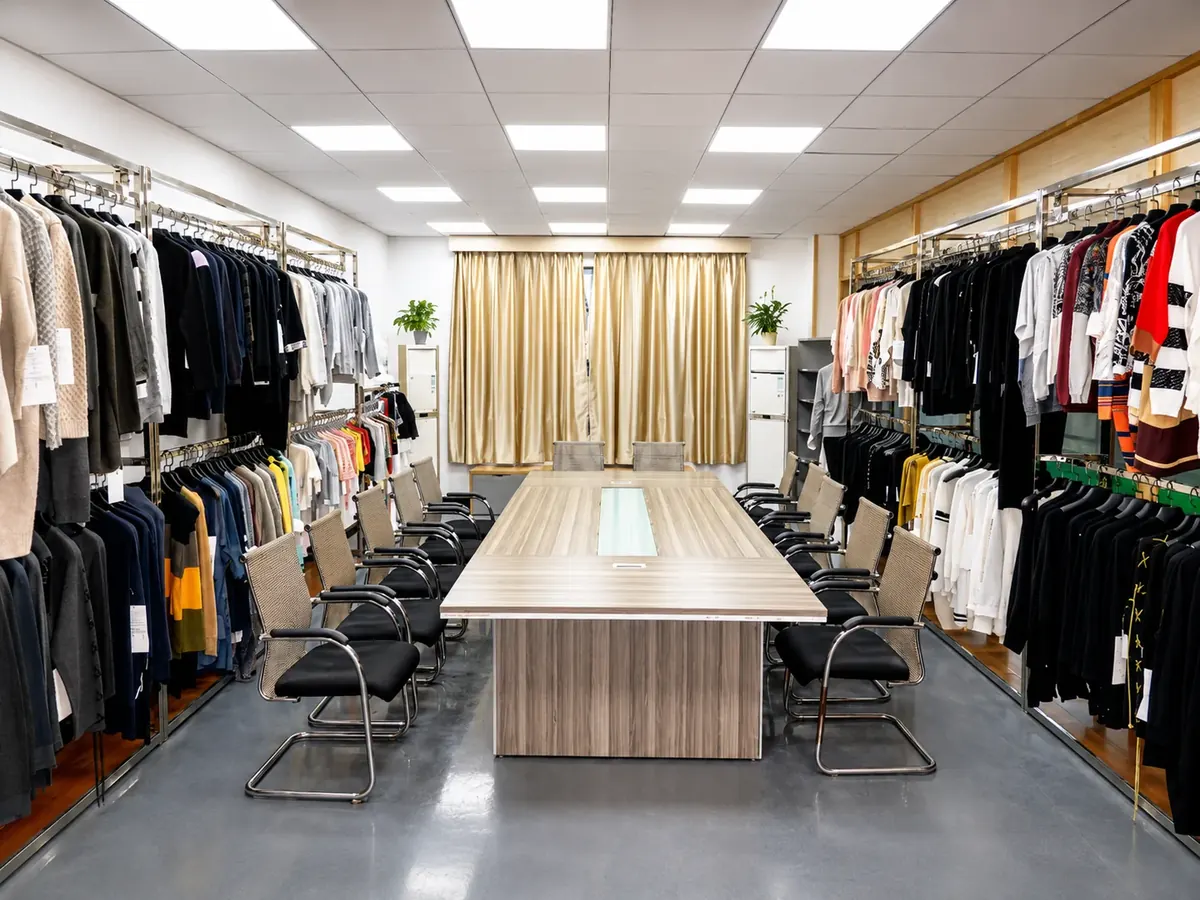
Store samples in a clean, dry, controlled area away from direct sunlight, contamination, pests and avoidable crushing or stretching. Choose hanging or flat storage according to garment weight and structure; a heavy knit left on an unsuitable hanger can lengthen or distort. Avoid adhesive, ink or packaging that transfers onto the garment.
The ILO sample-room operations guide recommends a dedicated storage area, separation of work-in-progress and approved samples, grouping by buyer and style, clear labels showing style, shade, size and approval status, and preserving approval tags or seals. Apply those principles while selecting storage conditions appropriate to the actual yarn, finish and packaging.
Choose the retention period from risk
Agree the period and disposal rule before shipment. Consider contractual claim windows, destination-market record duties, retailer requirements, expected consumer-use period, testing needs, repeat-order cycle, certification program and storage capacity. Obtain qualified legal or compliance advice where mandatory records or product-safety obligations apply.
A carryover color may need a reference through the next reorder decision, while a one-season style may follow another schedule. Do not promise that a physical sample remains a perfect color or hand standard indefinitely. Fibers, finishes, optical whiteners, packaging and storage conditions can age differently. Record periodic condition checks where long retention matters.
Control loans, cutting and destructive use
Use a sign-out record for any sample removed for a meeting, photography, inspection, testing or complaint review. Record borrower, date, purpose, condition and return. If a garment is washed, cut, stretched, marked or otherwise altered, change its status immediately and retain before-and-after evidence.
Keep an untouched counterpart where destructive testing or construction analysis is foreseeable. Never return an altered sample to the active approved rack without a conspicuous status change. If only one reference exists, agree authorization before destructive use.
Use retained samples in complaint investigation
First confirm the retained sample's identity and relationship to the complained-about goods. Compare construction, measurements, labels, shade group, yarn or production lot and packing history. Condition both garments consistently before measurement where the agreed method requires it, and document care or wear history gaps.
A difference can support an investigation but does not prove cause. The complaint unit may have been exposed to care, storage or use conditions not represented by the retained sample; the retained piece may also have aged. Combine physical comparison with production records, lot traceability, test evidence and shipment data.
Retire and replace references deliberately
Trigger review when the specification, yarn, dye lot, gauge, construction, finish, label, packing or market requirement changes, or when the sample is damaged, altered, faded, contaminated or no longer traceable. Mark obsolete samples as retired and separate them from active references.
Link the replacement to the previous identity and state why it changed. Preserve the decision record even if the physical item is disposed of. Destruction, return, donation or other disposition should follow the contract, branding control and applicable requirements rather than an informal sample-room cleanup.
Buyer sample-retention checklist
- Each sample has one stated role and unique identity.
- Approved and bulk samples are not treated as interchangeable.
- Physical tags link to current specifications and approvals.
- Counterpart buyer and supplier references are related in the log.
- Storage protects knit shape, color, cleanliness and identification.
- Retention period and disposal authority are written.
- Loans, washing, cutting and other alterations are recorded.
- Complaint comparison includes custody and lot limitations.
- Aging or specification change triggers reference review.
- Retired samples cannot be mistaken for active standards.
Use the sealed-sample guide, yarn-lot traceability guide and test-report checklist, or send the sample stages, product risks and expected reorder cycle for a project-specific reference plan.
Primary reference: International Labour Organization, Sample Room Operations—Storing and Record-Keeping, for segregating approved and work-in-progress samples, labeling by buyer, style, shade, size and approval status, preserving seals, and moving completed-order references into controlled past-order storage. This article does not impose a universal retention period. Competitor content was reviewed only for terminology and gaps; no schedules, cases, wording, claims or images were reused.