Run a sweater pre-production meeting after the controlling sample and specifications are ready but before bulk knitting is released. Review one identified revision of every critical input, convert unresolved points into named actions with deadlines and blocking effects, and issue minutes that state exactly which styles, colors, sizes and operations are released or held. Attendance alone is not approval; the output must be an auditable production decision.
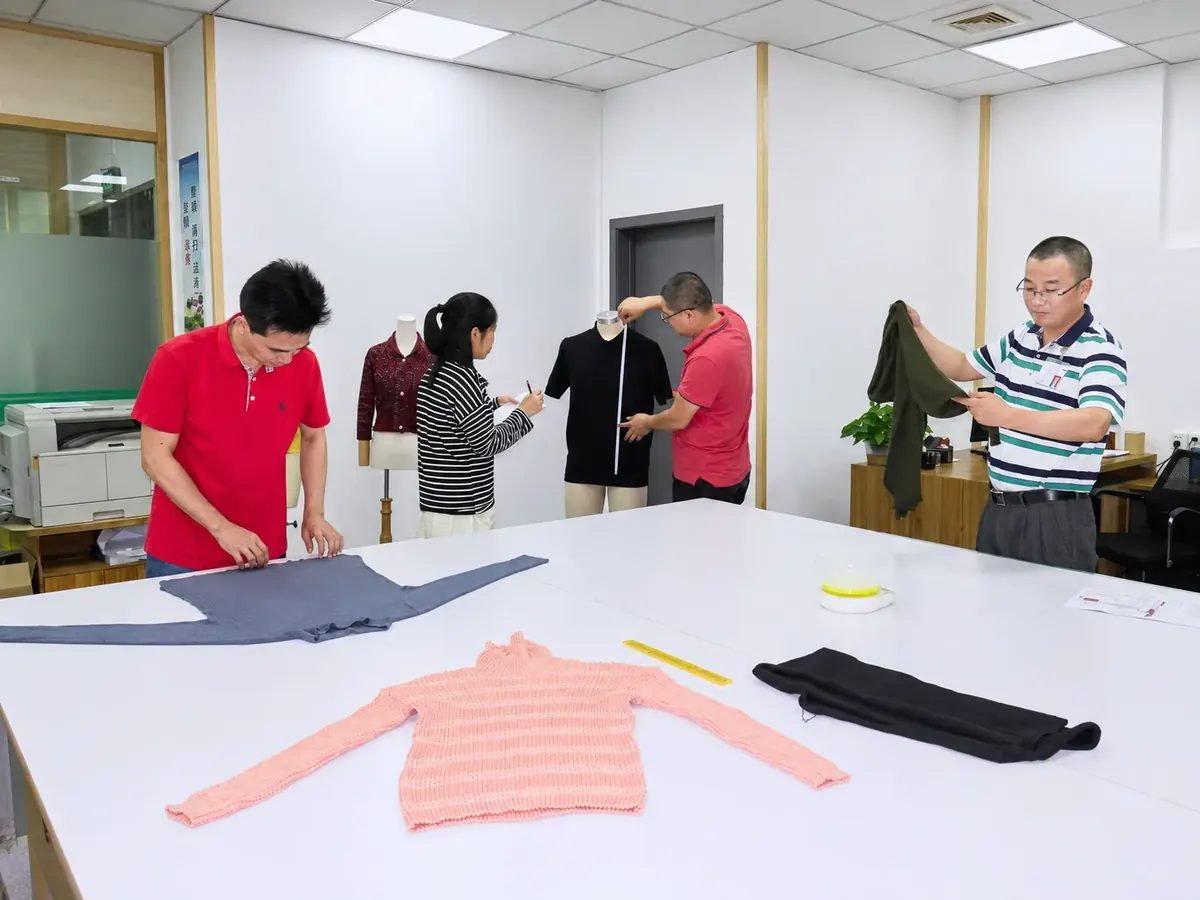
What is a sweater pre-production meeting?
A PPM is the controlled handover from development to production. It does not replace the purchase order, tech pack, bill of materials, approved sample, test plan or packing instruction. It checks that the people responsible for merchandising, technical decisions, production and quality are working from the same inputs and understand the remaining risks.
J.Crew's public Vendor Quality Management guide describes a sweater PPM as a formal meeting between quality and production personnel before production, intended to engineer quality into the product. It calls for relevant technical files, inspection and testing records, approved standards, cross-functional participation and recorded minutes. A buyer can apply that principle without copying another brand's proprietary tolerances or procedures.
Build a controlled input pack
Send the pack early enough for participants to review it. Put a revision, date and owner on every file. The cover sheet should list the PO, style, colorways, sizes, quantities, destination, delivery term and target ship date. Attach the current tech pack, BOM, measurement chart, artwork, approved sample identity, color standards, yarn reference, trim approvals, care and fiber labels, test requirements, inspection plan and packaging instructions.
| PPM topic | Evidence to show | Release question |
|---|---|---|
| Product identity | PO, style and revision register | Is every team using the same version? |
| Yarn and color | Supplier reference, count/ply, lot route and approved standard | Are substitutions or shade exceptions open? |
| Construction | Approved sample, stitch, gauge and joining details | Can the planned route reproduce the standard? |
| Fit and finish | POM method, tolerances, wash/finish instructions | What is checked before and after finishing? |
| Quality | Defect standard, tests and inspection timing | Who stops and releases affected work? |
| Packing | Labels, folding, polybag, assortment and carton marks | Are all artworks and receiver rules final? |
Review sweater-specific production risks
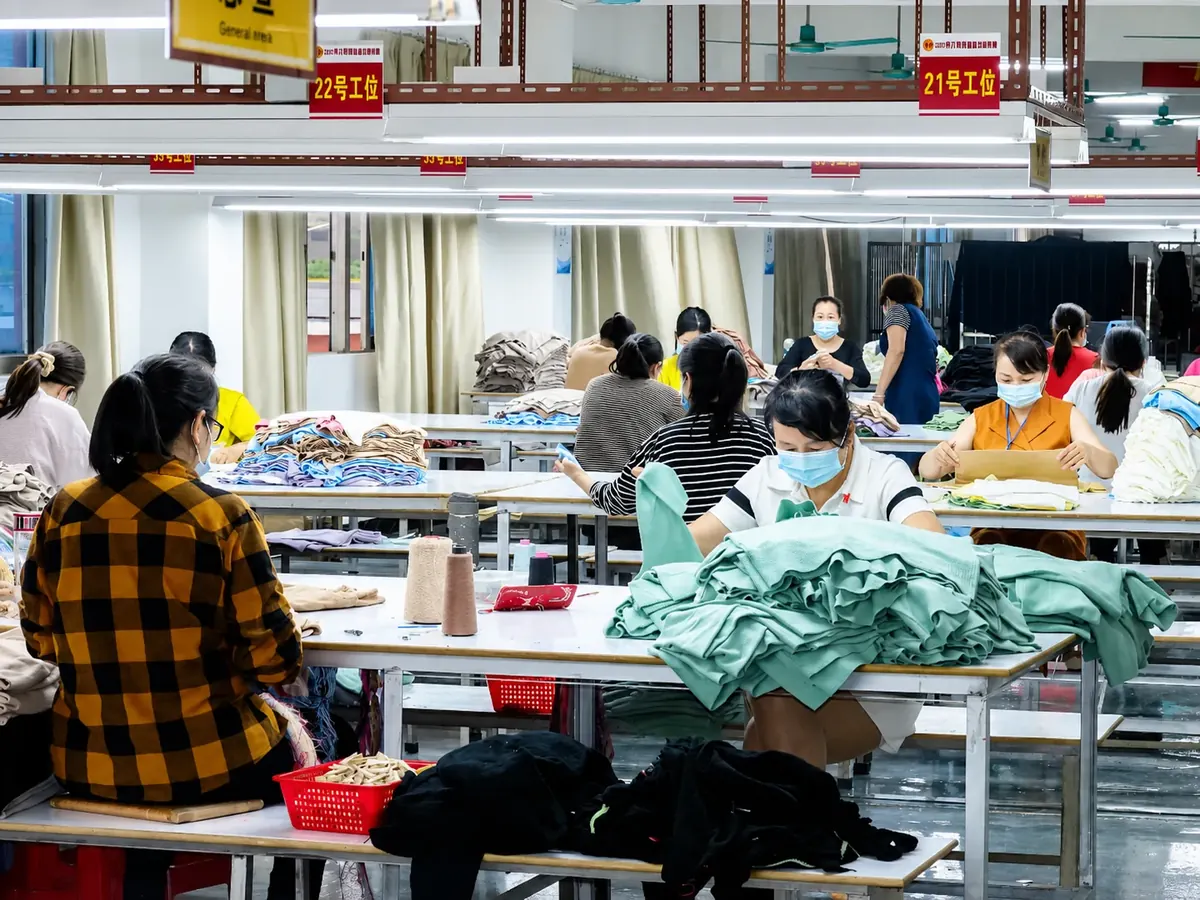
Start with the yarn system: composition claim, supplier reference, count, ply, ends, color standard, dye-lot control, booking status and approved alternatives. Then confirm gauge and stitch structure, panel dimensions, pattern alignment, fashioned details and any intarsia or jacquard file. Record which characteristics are approved visually and which are measurable.
Review linking yarn and seam route, neckline and rib recovery, trim attachment, embroidery or other decoration, plus the exact washing, dyeing, spraying, brushing, steaming and drying sequence where applicable. Specialty finishing can affect shade, hand, measurements and surface appearance; do not treat it as a cosmetic step after construction.
Turn every open point into a controlled action
Do not write “follow up” or “factory to improve.” Each action row needs the affected style, color, size or operation; the evidence required for closure; a named owner; a due point; the person authorized to verify closure; and the blocking effect. For example, knitting may remain held until bulk-yarn identity is confirmed, while approved label printing may proceed independently.
Use four outcome types: decision, action, escalation and information. A meeting cannot override a sample marked revise or a missing legal requirement. If the right authority or evidence is absent, keep the affected scope on hold and reconvene or close the item through the designated written approval channel.
Agree the quality control route before defects appear
Define first-piece or first-bundle review, inline checkpoints, finishing checks, measurement stages, final inspection and any customer-nominated third-party inspection. State sampling or full-check requirements, defect classification, report format, segregation rules and stop/escalation authority. Link tests to the correct material, color and production stage rather than listing “testing” as one vague task.
Also decide how deviations are handled. A temporary concession should identify the exact affected quantity and requirement, the approving authority and any follow-up. It must not silently revise the master specification or become permission for future lots.
Confirm capacity, timing and material readiness
Walk through the time-and-action calendar using real dependencies: bulk yarn availability, programming, knitting, linking, finishing, decoration, testing, inspection, packing and shipment. Separate confirmed dates from targets. Identify subcontracted or external stages and the records needed when work returns.
Review quantity and size ratios against material allocation and capacity. If one color or yarn lot is late, decide whether partial production is technically and commercially acceptable. A verbal promise to “catch up” is not a recovery plan; name the changed sequence, decision deadline and impact on inspection and shipment.
Issue minutes that function as a release record
The minutes should identify the meeting, participants and roles; documents and physical standards reviewed; decisions; open actions; released scope; held scope; conditional work separately authorized; and distribution list. Attach or link the controlled records rather than relying on chat history. Obtain the agreed acknowledgements and store the minutes with the order file.
After the meeting, update source documents where required. Minutes that say “use new label” are not enough if the BOM and artwork still show the old version. Distribute the updated revision register to every affected production and quality role, and remove obsolete printed files or samples from use.
Buyer PPM checklist
- Order scope and controlling revisions are identified.
- The approved physical sample and color/yarn standards are available.
- Yarn, stitch, gauge, linking and finishing risks are reviewed.
- Measurements, workmanship and tests have defined methods.
- Labels, packaging and carton marks match the destination brief.
- Every open action has an owner, evidence, deadline and blocking effect.
- Quality checkpoints and stop/release authority are agreed.
- Capacity and dates reflect actual material dependencies.
- Minutes distinguish released, conditional and held scope.
- Changed source documents are updated and redistributed.
Yushengda develops wool, cotton, acrylic, viscose, cashmere and blended knitwear across 3GG–16GG, subject to project requirements, and supports customer-nominated third-party inspection. Use the sealed-sample guide, time-and-action calendar and quality-agreement guide to prepare the input pack, or send your style, quantities, target date and open approvals for a production-readiness discussion.
Primary reference: J.Crew Group, Vendor Quality Management — Pre-Production Meeting (Sweater), for the cross-functional review, technical-file and recorded-minutes principles. Brand-specific rules should be taken from the buyer's current manual and contract. Competitor articles were reviewed only to map common buyer questions; no wording, claims, numerical limits, images or cases were reused.