Ship a custom sweater sample internationally by confirming the importer and delivery contact first, then preparing a truthful invoice with a specific product description, quantity, value, currency, origin, shipment purpose and classification input. Match that information to the courier booking and payment record. “Sample” or “no commercial value” alone is not an adequate description and does not remove customs requirements. Keep photographs, documents and tracking tied to the exact sample revision.
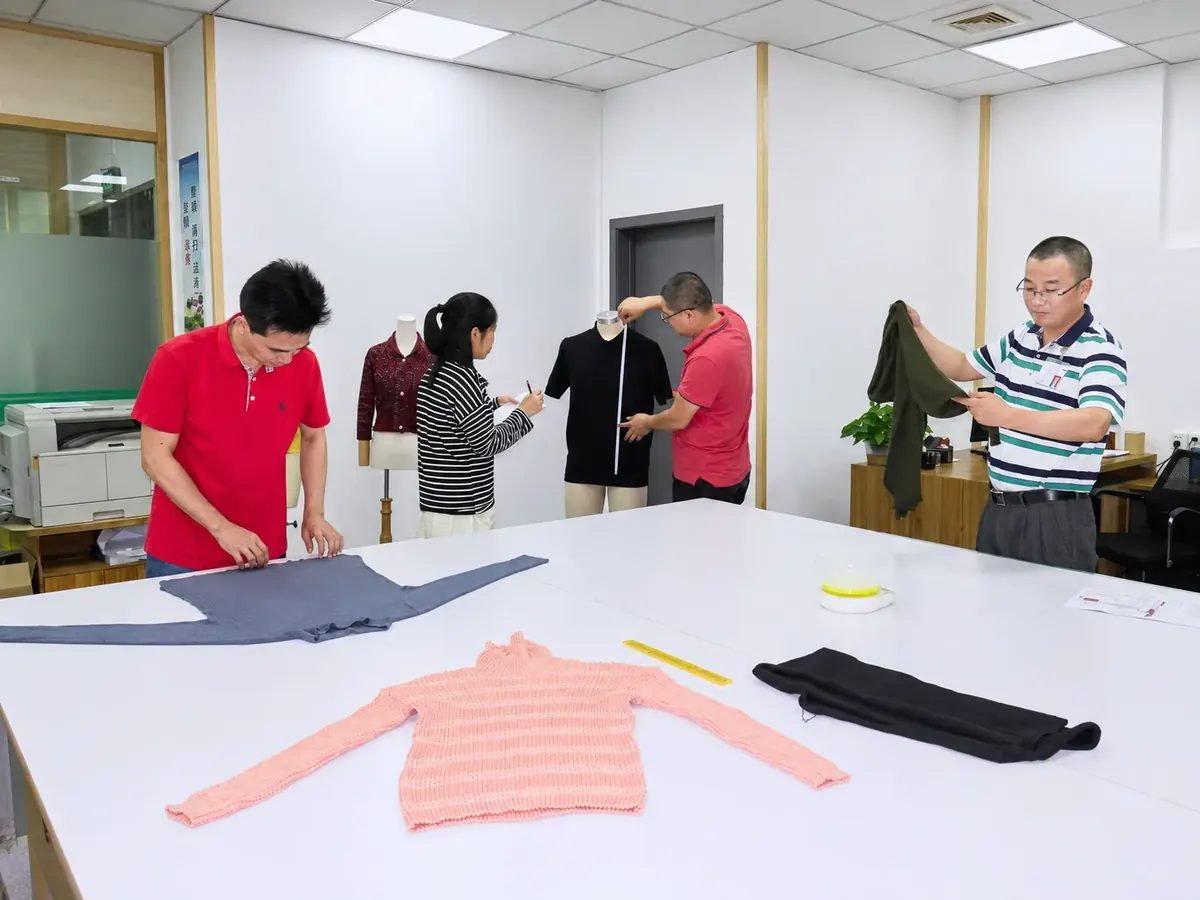
Agree who will import and pay before booking
Ask the buyer to confirm the legal or individual consignee name, full address, postal code, telephone, email and any tax or importer identifier required by the destination. State who is expected to pay freight, import duty, tax and courier clearance charges. A delivery address is not automatically the importer of record, and the factory should not invent an identifier or select a customs role on the buyer’s behalf.
Use the courier’s current service and destination instructions. Requirements can differ by country, value, product, material and shipment purpose. If the consignee needs a broker, power of attorney, VAT/EORI number or other registration, resolve it before pickup rather than after the parcel is held.
Describe the sample as a product, not a label
DHL’s commercial-invoice guidance says vague terms such as “samples” are insufficient and calls for a full description, value and party details. Describe what the item is, who it is for where relevant, its main fiber composition, whether it is knitted, and its purpose. For example, “one women’s knitted cardigan development sample, 60% cotton/40% acrylic, not for resale” is more useful than “clothes sample.” The actual description must match the garment.
| Invoice field | Buyer/factory decision | Control check |
|---|---|---|
| Parties | Shipper, consignee, importer if different, contacts and required IDs | Matches courier booking and destination instructions |
| Description | Garment type, knit construction, fiber and sample purpose | Specific enough to identify the merchandise |
| Quantity/value | Pieces, unit value, total, currency and valuation basis | Truthful and reconcilable with payment or cost evidence |
| Origin | Country of origin determined for the actual sample | Agrees with product and supporting records |
| Classification | Proposed HS code and destination review owner | Importer or qualified adviser confirms where needed |
| Reason for export | Development sample, approval sample, return, replacement or sale | Matches the real transaction |
Declare a defensible value
A sample can have customs value even when it is not sold or the sample fee will later be credited. Do not enter zero or an artificially low amount merely to avoid duty or tax. Record the valuation basis used—such as the actual amount paid or another method accepted for that transaction—and preserve material, development, freight and payment evidence that may be requested. The importer or customs adviser should determine the correct treatment under destination rules.
Keep sample-making charges, courier freight and any separately shown insurance identifiable. If several samples share one parcel, list each product line and quantity rather than using one combined “sample set” description. Ensure the invoice total, airway bill information and electronic customs data agree.
Do not guess the HS code or origin
A finished sweater’s classification can depend on garment type, fiber composition, sex category and construction. A yarn swatch, knit-down, incomplete garment and finished cardigan may not share the same classification. Give the importer accurate technical facts, but do not present a supplier’s suggested code as a binding destination decision.
Country of shipment is not automatically country of origin. Record where the relevant production occurred and let the responsible importer or qualified adviser determine origin and any marking requirement for the destination. A handwritten “sample” note does not override classification, origin, safety or labeling obligations.
Connect the parcel to the approval decision
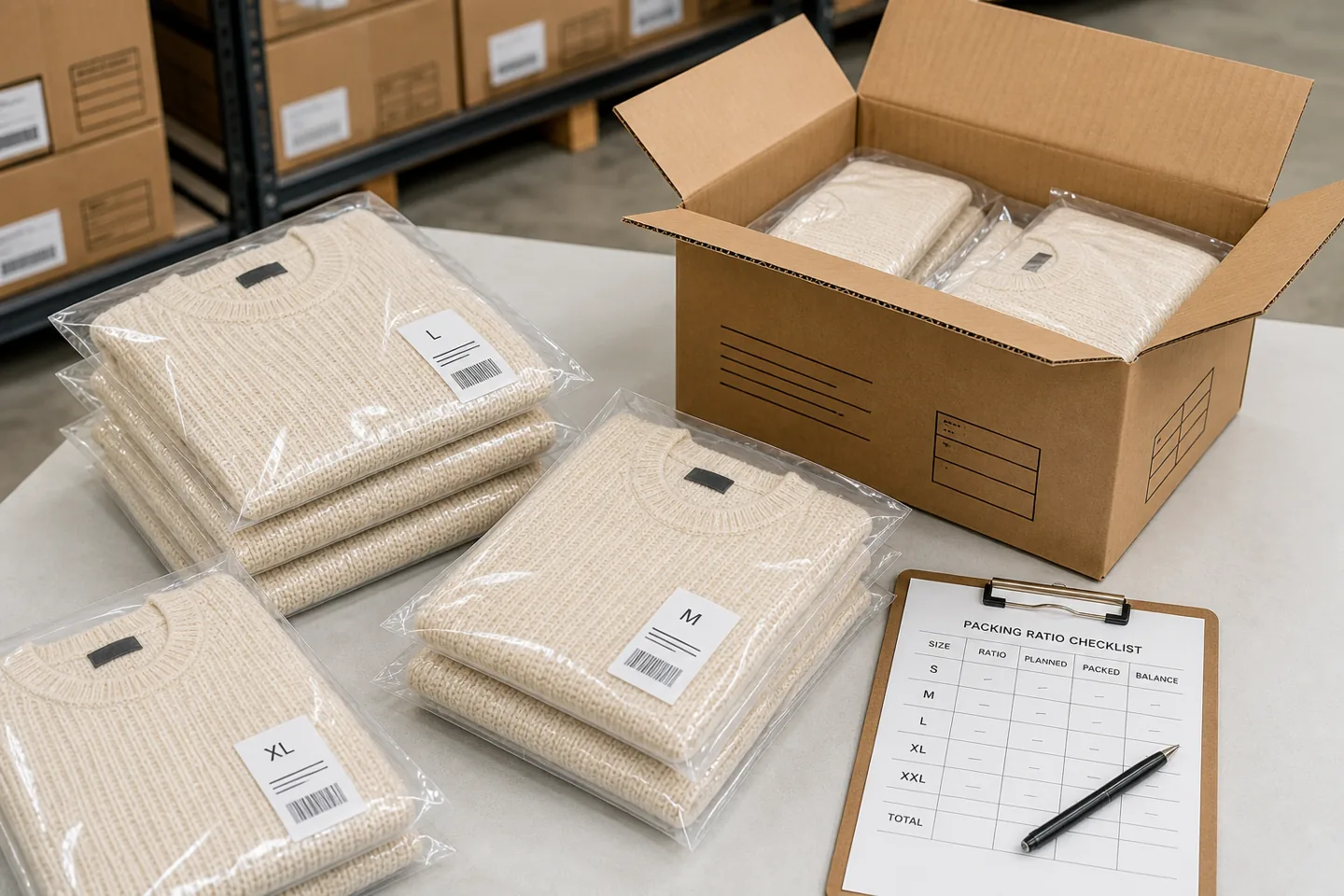
Before packing, label the sample with style, color, size, stage, revision and date. Photograph the garment, identity label, packed contents and closed parcel without exposing confidential buyer information publicly. Put the tracking number and document set into the sample approval record so the buyer knows exactly which physical version arrived.
If the parcel contains a fit sample, color reference, knit-down, spare trim or rejected return, list each item. Customs paperwork identifies the shipment; it does not replace the technical approval sheet. Likewise, courier delivery proves receipt at an address, not approval of fit, color, hand, workmanship or bulk production.
Prepare for an exception
Share tracking promptly and monitor clearance. If the courier or customs authority requests information, answer through the authorized shipper, importer or broker with consistent supporting documents. Do not create a replacement invoice that conflicts with the original transaction merely to release a hold. Record what was requested, who replied and whether future sample instructions must change.
For time-critical development, include customs and local delivery buffer in the approval calendar. Sending a second sample before understanding the first hold can repeat the same problem. Where legally and commercially suitable, combine compatible samples to reduce repeated shipments, but do not delay a critical physical approval or mix documents so contents become unclear.
Buyer sample-shipping checklist
- Consignee, importer role and destination identifiers are confirmed.
- Freight, duty, tax and clearance-charge responsibility is written.
- Every item has a specific description, quantity and purpose.
- Value and currency are truthful and supported.
- HS classification and origin are reviewed by the responsible party.
- Invoice, airway bill and electronic data reconcile.
- Sample revision and enclosed references are identified.
- Tracking is linked to the approval record.
- Clearance exceptions have a named response owner.
- Delivery is not mistaken for technical approval.
Yushengda can prepare and dispatch confirmed custom knitwear development samples under agreed courier and documentation instructions. Its sample fee starts from US$30 and is refundable when the corresponding order reaches 100 pieces, subject to the confirmed project terms; courier, duty and tax treatment must be agreed separately. Use the sample-fee guide, HS classification guide and invoice checklist, or send the sample stage, destination and courier instructions for coordination.
Primary reference: DHL Express, How to Prepare a Commercial Invoice for Global Shipments, for current carrier guidance on party details, specific goods descriptions, value and customs data. Carrier guidance does not replace destination law or importer advice. Competitor content was reviewed only for buyer questions and coverage gaps; no wording, figures, cases, images or claims were reused.