Before paying a custom sweater sample fee, confirm the exact style, sample stage and quantity; yarn and trim basis; knitting program, construction and finishing included; number of comment and remake rounds; tests, labels, packaging and courier exclusions; delivery trigger; and whether any amount is credited against a qualifying bulk order. A sample fee is a development scope—not a promise that every future revision is free.
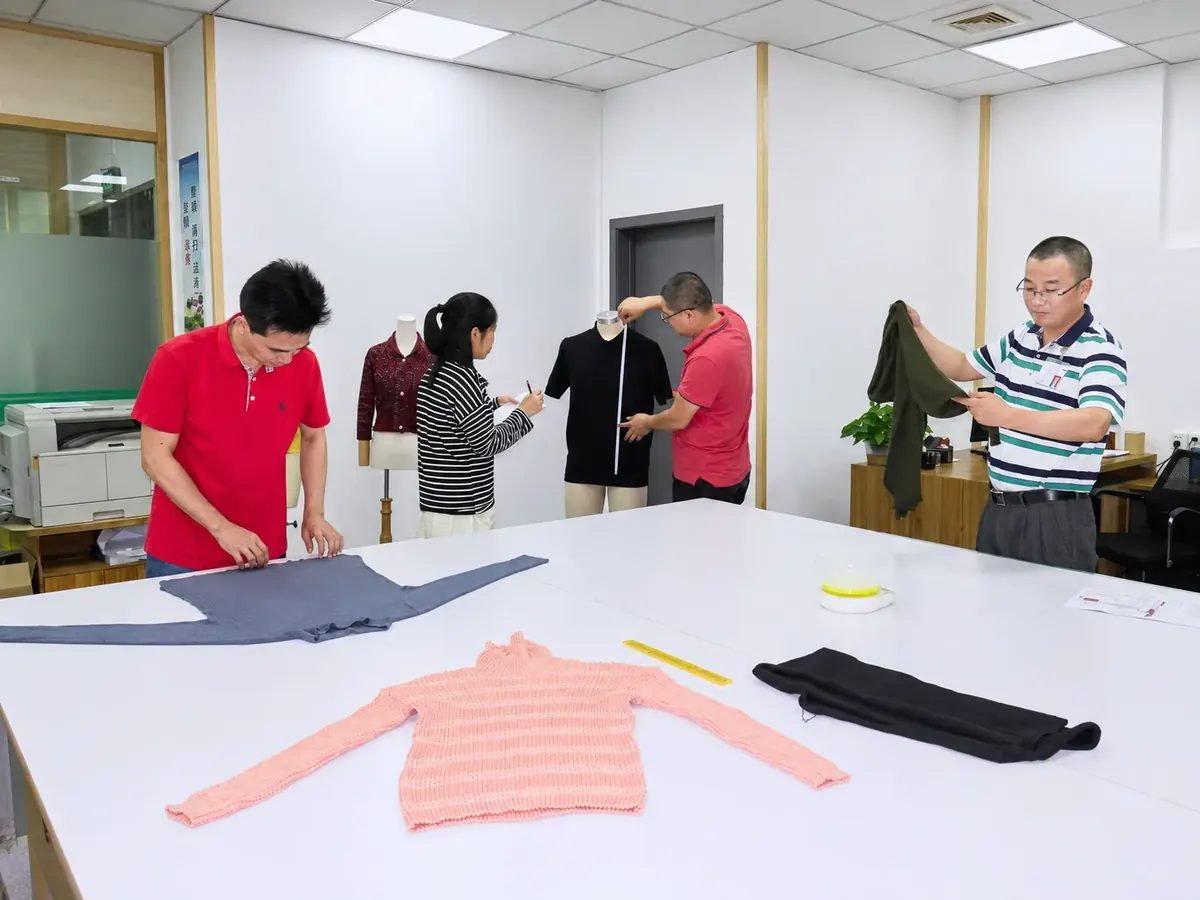
Ask for a scope, not one unexplained number
Identify buyer, factory, style, color, size, sample stage, tech-pack revision and requested quantity. State what the sample must decide: design feasibility, fit, color, size grade, production materials, specialty finish, sales presentation or final bulk release. Two garments called “samples” can have completely different purposes and cost bases.
Request a written line-item scope. The International Trade Centre's garment costing guide includes sample-making cost as a cost element for a style entering production. That supports treating sampling as real product-development work, while the actual commercial policy remains supplier- and project-specific.
| Cost line | Confirm | Common ambiguity |
|---|---|---|
| Technical development | Program, measurements and construction work | Only making labor is assumed |
| Materials | Actual, temporary or buyer-supplied yarn/trims | Sample uses a substitute without disclosure |
| Finishing | Wash, spray, brush, dye or press trials | One standard finish is priced |
| Rounds | Initial pieces, revisions and colorways | Unlimited remakes are expected |
| Evidence | Measurements, photos, reports and retained sample | Garment arrives without review data |
| Logistics | Courier, duty, address and combined shipment | Freight is mistaken for sample making |
Separate technical work from the physical garment
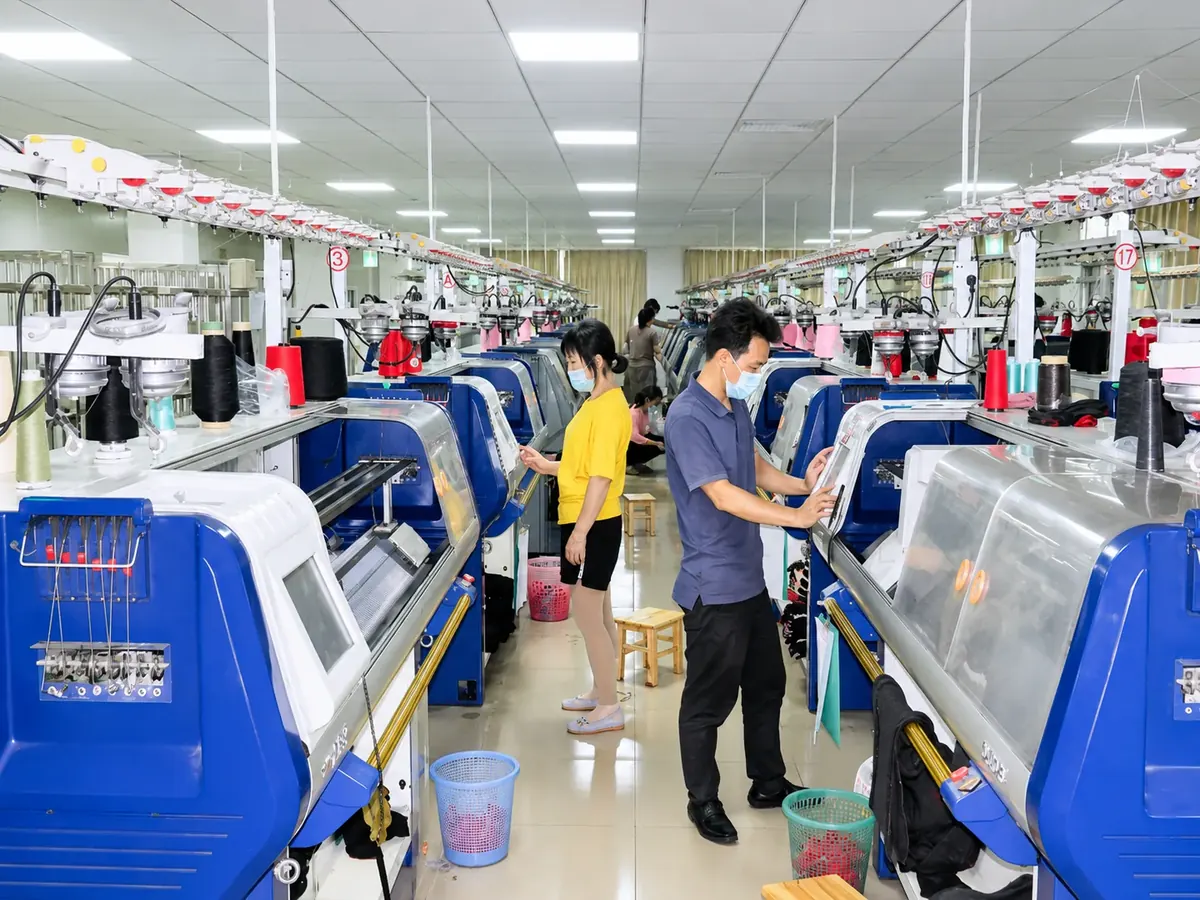
A one-off sweater may require interpreting the tech pack, choosing a gauge-yarn route, building or adjusting a knitting program, knitting panels, linking, washing, pressing, measuring and recording comments. Jacquard, intarsia, cables, special shaping or embroidery can add artwork and trial work before one acceptable garment exists.
Ask whether the technical file or program cost is included, charged once or repeated after a major design change. Do not assume paying a sample fee transfers intellectual-property rights, factory know-how or machine files. Ownership and permitted use require explicit agreement and appropriate legal advice.
State the material basis
Record the sample yarn's supplier reference, composition, count, ply, color and whether it is production-intended. If a stock substitute is used for the first fit sample, mark color, hand, weight, performance and bulk price as open. A lower temporary-material sample fee is not a production-yarn approval.
Custom dyeing, minimum cone or pack quantities, special trims and branded labels may create separate charges or leftovers. Ask who buys them, who owns unused material, whether they carry into the bulk order and how long they will be stored. Do not hide an upstream MOQ inside an unexplained “sample surcharge.”
Price the finish development separately
For garment wash, spray dye, tie dye, brushing or another specialty process, define whether the fee covers a knit-down, trial panel, one finished garment, multiple boundary samples or a repeat after comments. State the base garment quantity supplied to the finisher and how failed trials are treated.
Approving one attractive effect may not define bulk variation. If the project needs a center standard plus acceptable lighter/darker or placement boundaries, include those pieces in the sampling plan. Reprocessing can change measurements and surface, so confirm whether remeasurement and appearance review are included.
Define each sample round
List the first development sample, fit revision, size set, colorway, pre-production sample and any sales or photo samples actually needed. Do not prescribe every stage for every order. Combine decisions only when the material, construction and risk allow them to be evaluated responsibly.
State how many physical pieces and which colors/sizes are included in each quote. A comment round is not automatically a free remake. Clarify whether factory workmanship errors are corrected without another fee, while buyer design changes, new yarn, additional colors or changed finishing create a revised quotation.
Write the acceptance and revision rule
Give consolidated, numbered comments against the current revision. Classify the response: approved, revise and resample, or rejected. For conditional approval, identify which evidence closes every open point. Never approve bulk merely because the sample budget has been exhausted.
When a sample misses the written specification, compare the actual result with the agreed scope before assigning cost. A supplier-caused error, an unresolved buyer instruction and a changed design are different situations. Record the finding and commercial disposition rather than relying on a general “first remake free” assumption.
Keep testing and courier visible
Laboratory tests, third-party review, special packaging, customs paperwork and international courier may be excluded unless named. Identify who chooses the service, pays, sends specimens and receives the complete report. Courier time should also appear in the T&A calendar.
If several samples ship together, record allocation of freight and import charges for internal costing. A “free sample” can still carry material, testing and delivery costs; a paid sample may exclude all three. Compare total development cost on the same scope.
Define refund versus bulk-order credit
Use precise language. A refund returns money; a credit deducts an agreed amount from a later invoice. State qualifying style, minimum quantity, order deadline, approved specification, invoice, credit amount, currency and timing. Clarify whether courier, tests, extra rounds or custom materials are excluded.
Yushengda's confirmed sample fee starts from US$30 and is refundable when the corresponding order reaches 100 pieces, subject to the confirmed project. Before payment, record how that policy applies to the exact style and charges; do not extrapolate it to unrelated samples or third-party costs.
Buyer sample-fee checklist
- Style, stage, revision, colors, sizes and pieces are identified.
- Technical development and physical making are visible.
- Production yarn versus temporary material is disclosed.
- Special-finish trials and boundary samples are scoped.
- Every planned sample round has a purpose.
- Buyer changes and factory corrections have distinct rules.
- Testing, labels, packaging and courier exclusions are listed.
- Timing starts from a defined input and payment milestone.
- Refund or credit conditions are written precisely.
- Bulk release still requires complete approval evidence.
Yushengda normally develops samples in 7–15 working days, depending on yarn sourcing, stitch trials and finishing complexity. Its production scope includes wool, cotton, acrylic, viscose, cashmere and blends across 3GG–16GG. Use the sample approval checklist, the remote approval guide, or send your tech pack, yarn, finish, sample stage and deadline for a written sampling quotation.
Primary reference: International Trade Centre, The Garment Costing Guide, which includes chargeable sample-making cost in garment costing. Competitor policies were reviewed only to identify questions buyers should ask; no price ranges, refund rates, timelines, cases, images or wording were reused.