Use sweater inline inspection to detect repeating process problems while knitting, linking and finishing can still be corrected; use final random inspection to evaluate a defined finished lot and support the shipment decision. They answer different questions. Choose both for new, complex, high-consequence or previously problematic orders. Neither inspection replaces approved specifications, relevant laboratory testing, factory process control or a written release rule.
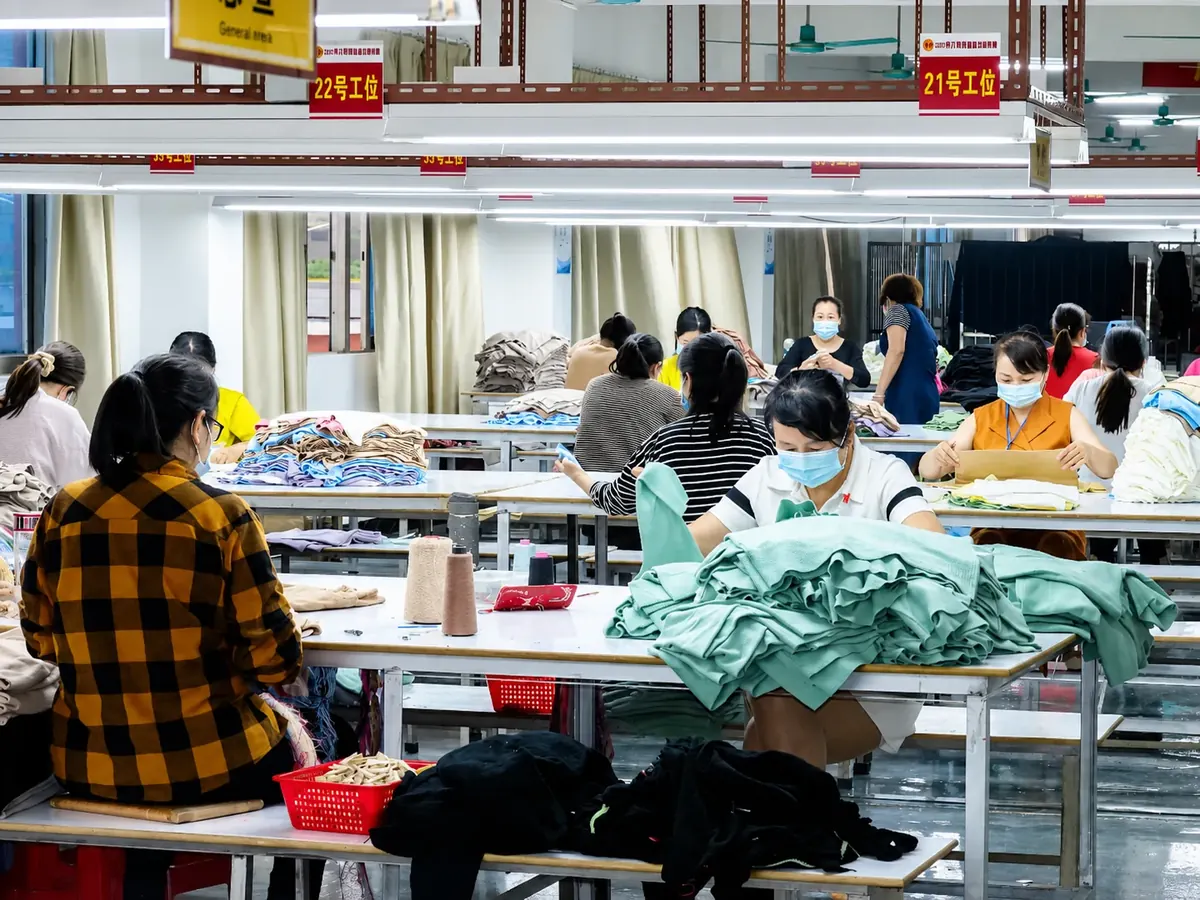
The difference is purpose, not only timing
An inline inspection examines work in progress and early finished units to identify whether the production process is drifting. Its value is containment: stop a repeated defect, separate affected material, correct the method and verify the next output before most of the order is complete.
A final random or pre-shipment inspection samples from the declared finished population near shipment. It checks the cumulative product, quantity, assortment, workmanship, measurements, labels and packing under the agreed scope. Its value is decision evidence: release, hold, sort, repair, replace or reinspect.
| Question | Inline inspection | Final random inspection |
|---|---|---|
| Main objective | Find cause and stop multiplication | Estimate conformity of finished lot |
| Best timing | Relevant process is running and correctable | Agreed completion/packing readiness is met |
| Population | Work in progress and available early output | Defined finished and accessible shipment lot |
| Strong evidence | Trend, process stage, first-off and correction | Random sample, defect count, quantity and packing |
| Main limitation | Cannot see all later output or final packing | Finds systemic problems late |
Place inline checks where sweater defects originate
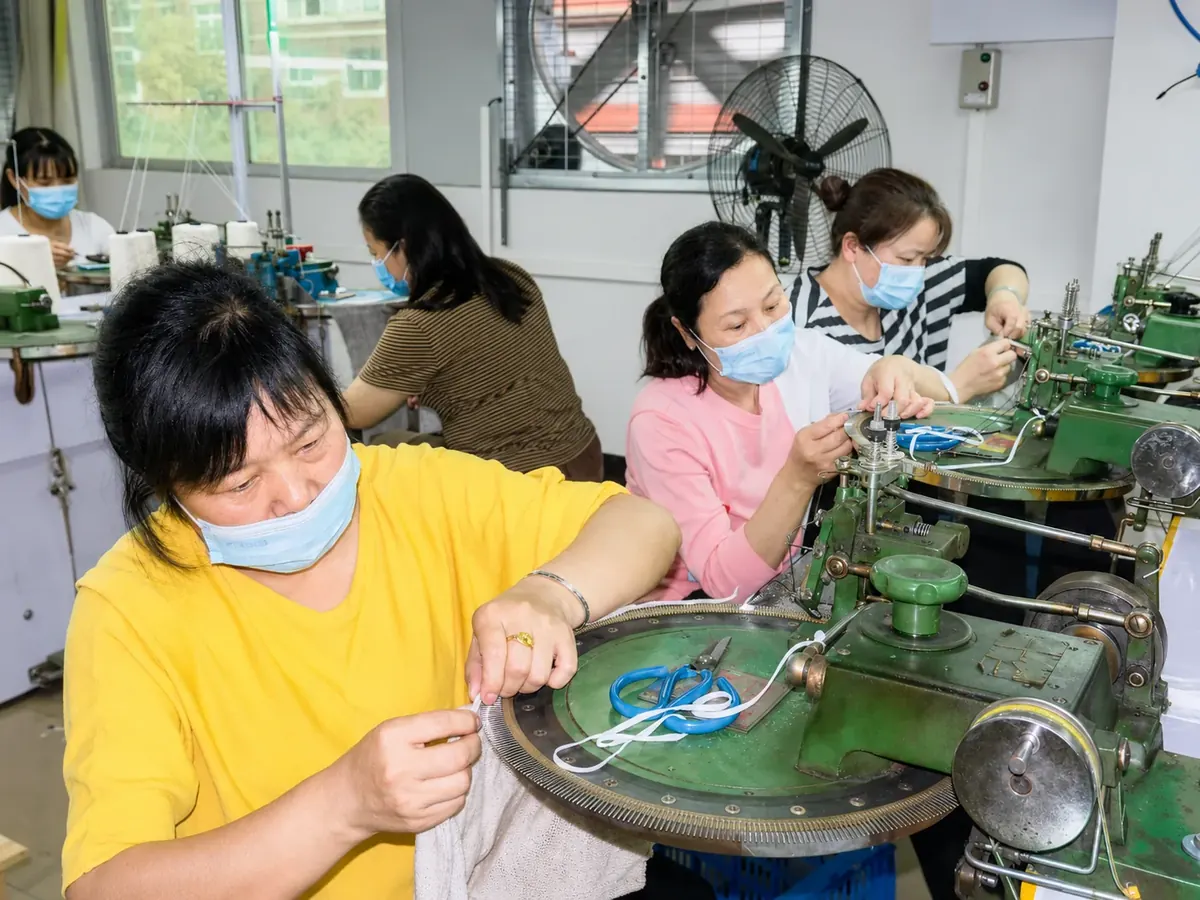
At yarn and knitting stages, check identity and lot segregation, visible shade grouping, gauge or stitch program, panel measurements, tension lines, holes, dropped stitches, artwork repeats and shaping. At linking, review seam alignment, bite, openings, bulk, skipped loops and neckline or armhole distortion before the same method reaches the full order.
After trial washing or specialty finishing, examine dimensional movement, hand, shade, surface, odor, uneven application and interaction with different stitches or colors. The useful moment is after the risk becomes observable but before most garments pass the point where correction requires dismantling, refinishing or replacement.
Do not treat an inline sample as the final lot
Early output may come from one machine, operator, yarn lot, color or size and may not represent later production. Define which styles, colors, sizes, machines, lots and operations were available during the visit. Record completed quantities and unobserved scope.
An inline pass does not approve labels that arrive later, carton assortment, final shade distribution, complete size ratios or goods made after the visit. Keep the final inspection or another defined release control unless the buyer consciously accepts those unverified risks.
Make final random inspection answer a shipment question
Before booking, define the lot by PO, style, color, size, quantity and location, plus the required completion and packing condition under the inspection provider's current protocol. Ensure cartons remain randomly accessible. Give the inspector one controlled pack: approved sample references, tech pack, BOM, measurements, tolerances, artwork, labels, packaging, defect rules and approved deviations.
Agree the sampling standard, inspection level and acceptance criteria before the visit. AQL is a statistical lot-acceptance tool; it does not mean that inspected units alone are “the good goods,” nor does a pass prove every garment is defect-free. Safety, fiber, chemical, colorfastness, shrinkage or performance requirements may need separate tests.
Choose inline only with clear boundaries
Inline-only external inspection may be considered for a controlled repeat order when the buyer has reliable final factory records, stable materials and processes, low packaging risk and another credible shipment-release control. Document what final-lot evidence will still be reviewed. Supplier familiarity should reduce uncertainty through records, not through trust alone.
Do not use inline-only because the booking was late or goods are not ready for final inspection. If the buyer requires finished-lot acceptance, an early visit cannot be renamed to produce that evidence.
Choose final-only when process intervention adds little
Final-only may suit a simpler, stable repeat style where material identity, first-off approval and factory inline controls are already evidenced and correction risks are manageable. It may also be the minimum independent checkpoint for a low-value order when the buyer deliberately accepts limited oversight.
Final-only is weak when defects can multiply invisibly or become expensive after linking and finishing: new yarn or gauge, complex jacquard or intarsia, specialty washing, new trims, new factory relationship, compressed schedule, mixed lots, prior failure or a large commercial consequence.
Use both when risks occur at different stages
A combined plan does not repeat one checklist twice. Inline scope should focus on material, panels, measurements, linking and early finishing trends plus corrective action. Final scope should focus on random finished goods, accumulated workmanship, measurement distribution, labels, assortment, packing and shipment readiness.
Link the reports. If inline findings required a change, final inspection should target the corrected characteristic without abandoning random selection or the full agreed checklist. Identify affected and reworked populations; do not treat one corrected show sample as proof that the lot was contained.
Turn every finding into a controlled decision
For inline nonconformity, define stop/continue authority, containment, root-cause response, correction, affected quantity and verification evidence. For final failure, hold shipment while the buyer decides sorting, repair, replacement, concession or rejection under the contract and quality agreement. Reinspection should use the provider's agreed rules after corrective work is complete.
Intertek describes textile and apparel inspection services at pre-production, during-production/garment-inline and before-delivery stages. The service menu confirms that inspection can address different production moments; the buyer must still choose order-specific scope, readiness, sampling and acceptance criteria.
Buyer inspection-stage checklist
- Each major defect risk is mapped to the stage where it becomes visible.
- Inline timing leaves enough production available to verify correction.
- Inline findings identify affected and unobserved populations.
- Final lot, readiness and carton access are defined.
- Both stages use the same controlled product requirements.
- Sampling and acceptance rules are agreed before inspection.
- Tests and inspections are not treated as interchangeable.
- Inline corrective actions feed the final inspection scope.
- Pass, fail, hold, sort and reinspection authority are assigned.
- The shipment moves only after the required release evidence exists.
Yushengda supports customer-nominated third-party inspection for custom knitwear, subject to the confirmed order and buyer-provider scope. Use the inspection-preparation guide, AQL guide and failed-inspection guide, or send the PO scope, high-risk processes and required shipment date for inspection-stage coordination.
Primary reference: Intertek, Textile and Apparel Inspection, describing pre-production, during-production/garment-inline and before-delivery services. The buyer's current provider protocol and contract control the actual visit. Competitor content was reviewed only for topic structure and gaps; no timings, prices, defect rates, acceptance limits, cases, wording or images were reused.