A custom sweater change requires a revised physical sample when it could alter fit, measurements, silhouette, yarn behavior, gauge, stitch structure, color interaction, hand, weight, wash response, construction, trim function or repeatability. A clerical correction may close through controlled documents; an isolated component may use a component or applied trial. Do not release bulk until the chosen evidence directly verifies the changed risk and all dependent specifications are updated.
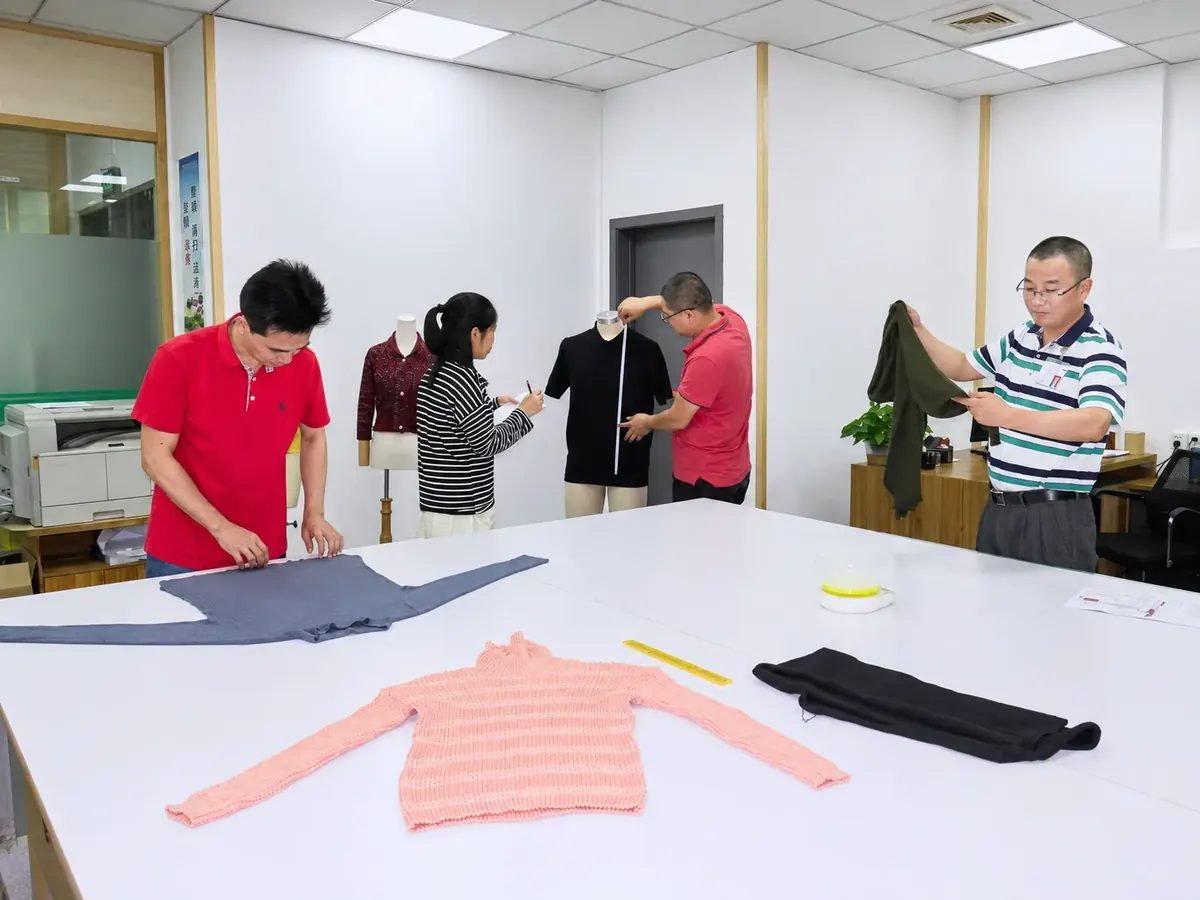
Start with the change, not the calendar pressure
Record the approved sample identity, requested change, reason, owner and date. Compare the current tech pack, bill of materials, measurement chart, artwork, finish standard, quotation and schedule. If the team cannot identify exactly what changed, it cannot justify skipping a resample.
Classify the change as clerical, material, dimensional, construction, appearance, performance, compliance, packaging or commercial. Then list interactions. A “small” neckline adjustment can change rib length, opening stretch, shoulder balance, label position and linking. Risk comes from consequence and uncertainty, not the number of words in the comment.
Use the smallest evidence that answers the risk
| Evidence level | Appropriate use | Does not normally prove |
|---|---|---|
| Document review | Typo, code or clarified instruction with no physical effect | Fit, hand, shade or construction result |
| Component/knit-down | Identified yarn, stitch, color or loose trim question | Full garment interactions |
| Applied trial/panel | Attachment, artwork, seam or finish on representative knit | Complete fit and silhouette |
| Revised garment | Fit, measurement, construction or interacting changes | Bulk-lot consistency by itself |
| Production-intended PP sample | Final materials, route, trims and finish before bulk | Final lot acceptance without inspection |
A lower evidence level is not automatically more efficient. If a panel cannot show drape, balance or wash interaction, its fast approval only moves uncertainty into production. Conversely, remaking a complete garment for a corrected internal reference number may add time without answering a new physical question.
Require a revised garment for fit and measurement changes
Resample changes to chest, shoulder, armhole, sleeve, neckline, body or rib dimensions when they may affect balance, movement, proportion or construction. Verify the intended base size on the correct fit model or form and remeasure using controlled points and conditioning. If grading logic changes, use the appropriate size-set evidence rather than assuming the base-size correction scales correctly.
Do not approve “correct in bulk” when the proposed fix changes more than a clearly understood, low-risk production instruction. The supplier should explain the pattern or program action and its dependencies. A typed target measurement alone does not demonstrate that the revised garment achieves the intended fit.
Resample yarn, gauge, stitch and finishing interactions
A new yarn supplier, composition, count, ply, number of ends, gauge or stitch can alter density, hand, weight, opacity, elasticity, artwork clarity, measurements, care and price. Start with an identified finished knit-down when it answers the screening question, but use a complete garment when shaping, seams, fit or overall drape may change.
Changes to washing, brushing, softening, spray dyeing, tie dyeing, steaming or pressing can affect shade, surface, odor, dimensions and trim behavior. A local trial may define direction; the final selling condition often needs a production-intended garment. Repeat relevant testing when the tested material or construction no longer represents the revised product.
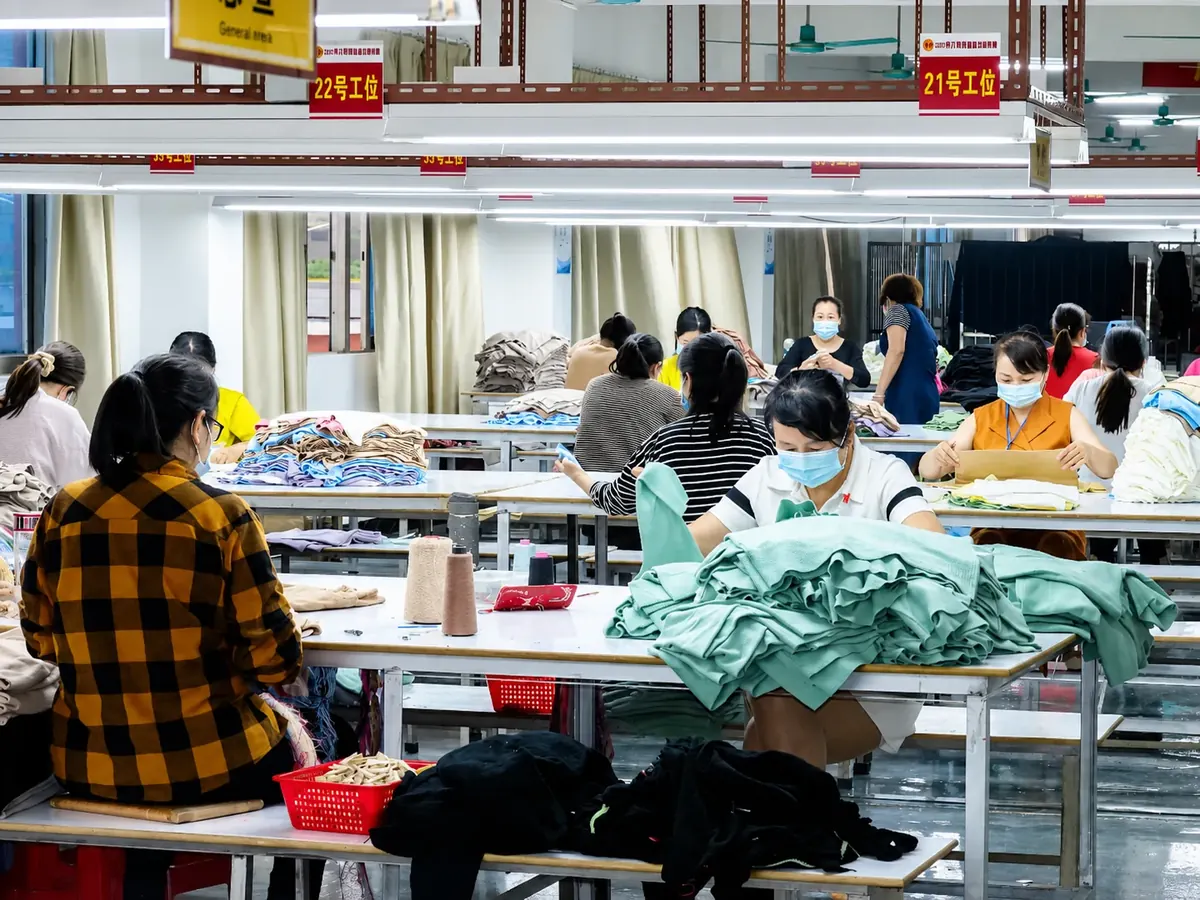
Match trim evidence to function and risk
A text-only correction to approved label artwork may close through files if material, size and placement are unchanged and the buyer's process allows it. A new button, zipper, drawcord, embroidery, patch or attachment should be checked as an identified component and, where relevant, applied to the intended knit.
Use a garment sample when the trim changes weight, balance, opening function, wearer contact, distortion or placement. Confirm care compatibility and applicable market or age requirements through qualified evidence. A visually similar loose trim does not prove attachment strength, laundering behavior or product compliance.
Do not confuse appearance approval with production readiness
Photos or video can close visible details when the risk and method support remote review, but they do not reproduce physical hand, exact color, stretch, weight or subtle surface. State lighting, sample identity and measurement evidence. If the buyer needs a physical comparison to decide, courier time belongs in the plan.
A revised sample made with substitute yarn or temporary trims may confirm fit while leaving material and commercial questions open. Give partial approvals explicit boundaries. Before bulk, reconcile the final PP or sealed-sample standard with the production yarn, trims, labels, finishing route, measurement chart and quotation.
Assess consequence before accepting a waiver
Score the change by severity if wrong, number of affected units, ability to detect early, cost of correction, novelty, interaction and evidence already available. A repeat style with an administrative update may be low uncertainty; a first order with new yarn, specialty finish and a fit change is not.
If the buyer formally waives a revised sample, record the specific waived evidence, reason, remaining risk, approval authority and compensating controls. Examples may include a first-off garment hold, limited initial quantity, inline review or independent inspection. These controls do not guarantee the result and must occur before the affected work becomes irreversible.
Close changes through controlled records
ISO guidance on documented information identifies records of design and development changes, their review, authorization and necessary actions. It does not prescribe apparel sample rounds. The practical application is to retain what changed, why the selected evidence was adequate, who approved it and what documents or production actions followed.
Update the tech pack, BOM, measurements, artwork, care or test plan, sample status, quotation and time-and-action calendar as applicable. Mark prior versions superseded. Release production only when supplier and buyer share one current decision package.
Buyer resample decision checklist
- The approved baseline and exact requested change are identified.
- Physical effects and dependent features are mapped.
- The evidence level answers the actual changed risk.
- Fit, grading or construction changes receive garment-level proof.
- Yarn, gauge and finish changes are tested in representative form.
- Trim function and attachment are not approved from a loose component alone.
- Partial approvals list every open item.
- Any waiver records risk, authority and compensating checks.
- All affected specifications, costs and dates are updated.
- Bulk release uses one controlled production-ready package.
Yushengda develops custom knitwear in wool, cotton, acrylic, viscose, cashmere and blends across 3GG–16GG, subject to the project. Use the fit-comment guide, change-control guide and sealed-sample guide, or send the current sample revision, change list and required delivery date for an evidence-path discussion.
Primary reference: International Organization for Standardization, Guidance on documented information for ISO 9001:2015, including records of design-development change review, authorization and necessary actions. It does not decide whether a particular sweater needs resampling. Competitor content was reviewed only for buyer questions and gaps; no wording, timelines, claims, cases or images were reused.