Most custom knitwear delays begin before bulk knitting: incomplete specifications, slow approvals, unavailable yarn, unresolved colors and late label files. Buyers should backward-plan from the delivery date, assign decision deadlines and protect time for sampling, material preparation, finishing, inspection and transport. Asking a factory to rush cannot recover every lost approval day.
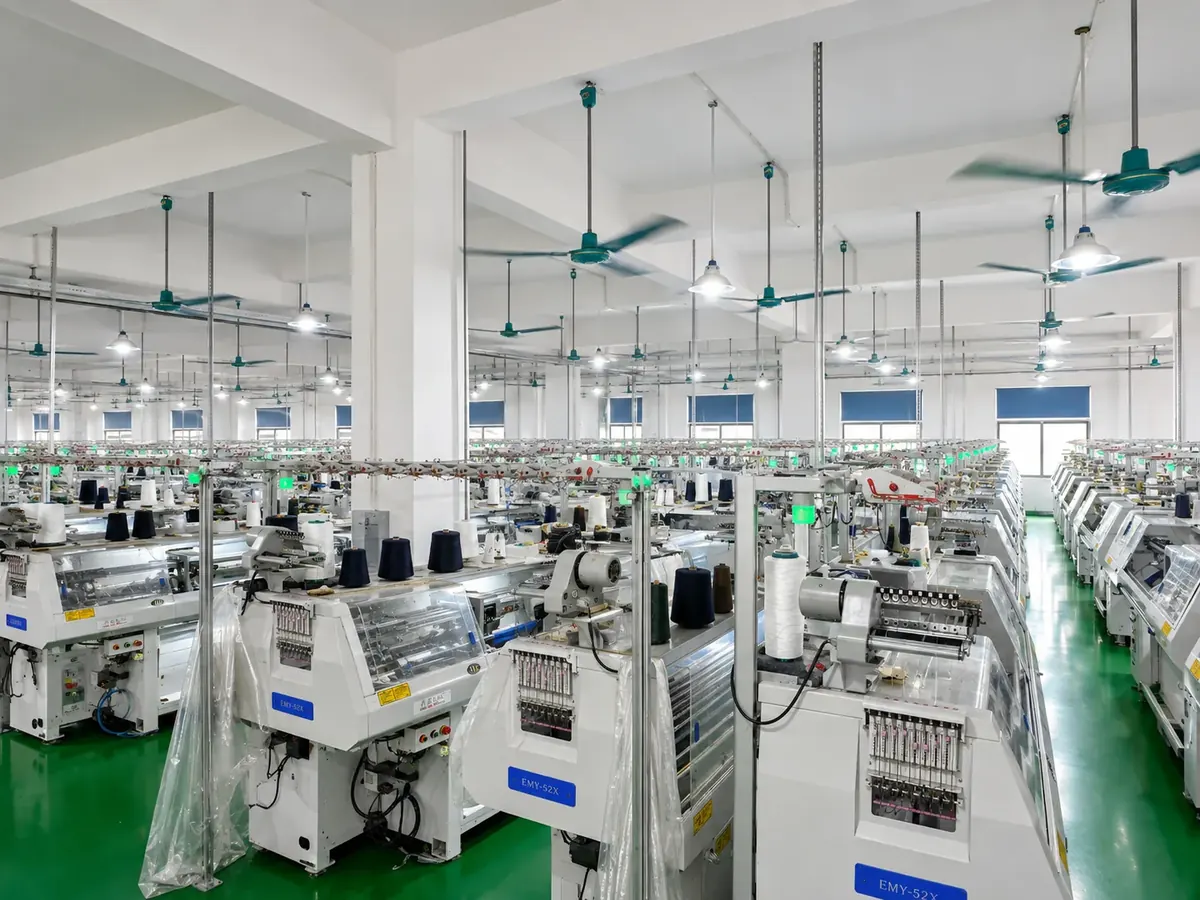
Build a calendar from the required arrival date
Separate delivery to warehouse from factory completion. Work backward through transport, inspection, packing, finishing, linking, knitting, yarn preparation, pre-production approval and sample development. Add buyer decision dates and local holidays. A single headline lead time hides dependencies, while a milestone calendar shows which late decision moves the final date.
Freeze the product in controlled stages
Lock silhouette and measurements before treating color or labels as the only remaining work. Record which elements are approved, conditional or open. Frequent design changes after yarn or programming begins can affect price and schedule. Use revision numbers and require a written impact check when changing yarn, gauge, stitch, color count, finish, trim or quantity.
Resolve yarn and color risk early
Confirm whether the plan uses stock yarn, custom-dyed yarn or a substitute. Ask about availability and the date by which material must be committed. Specialty colors and finishes may require physical trials. Do not promise a retail launch based only on a sampling estimate when the bulk yarn route remains undecided.
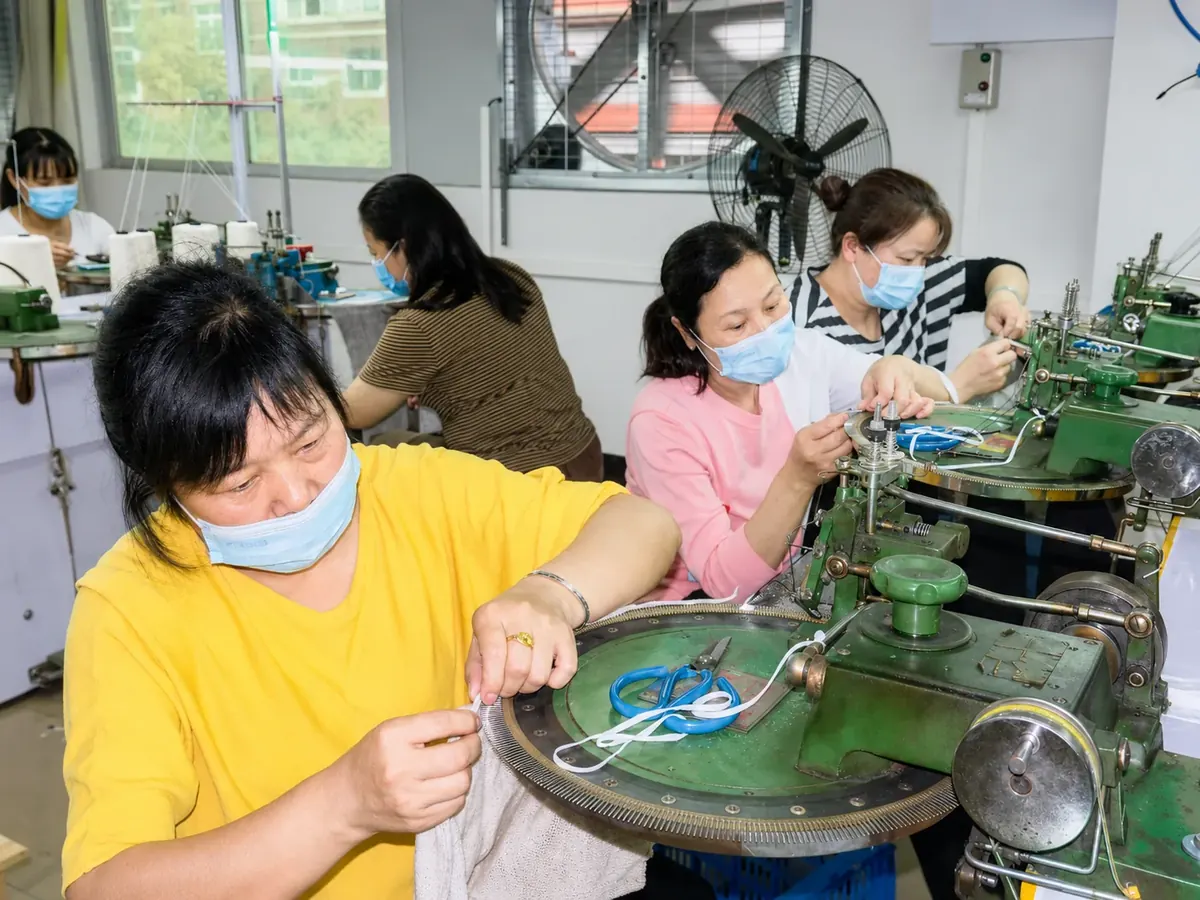
Set fast but realistic approval rules
Identify who can approve fit, color, artwork, packaging and commercial changes. Consolidate comments instead of sending conflicting messages from multiple team members. Use courier tracking and review samples promptly, but protect enough time for accurate measurement and wear assessment. A fast wrong approval is more expensive than a disciplined review.
Monitor the high-risk production points
Request meaningful status tied to milestones rather than daily general updates. Useful checkpoints include yarn ready, programming complete, early panels checked, linking underway, finishing trial approved, bulk finishing complete and inspection booked. Focus attention where correction is still possible. Photos can support communication but do not replace agreed quality checks.
Keep inspection and shipping in the plan
Book customer-nominated third-party inspection early enough to secure the required date. Confirm packaging and carton marks before goods wait at the final stage. Decide how failed or pending items affect shipment. Yushengda’s normal bulk lead time is 25–45 days after deposit for confirmed projects, but final timing remains dependent on yarn, complexity, approvals and order conditions.
Apply the decision to a real order
Create a risk register with milestone, possible blocker, decision owner and latest safe date. Common blockers include custom yarn, unresolved wash standards, delayed graded measurements, missing label artwork and late inspection booking. Review it at every approval so schedule concern becomes an actionable decision.
If time becomes compressed, protect the steps that prevent unusable goods. Simplifying colors, using available yarn, reducing packaging complexity or changing transport may help, but each has consequences. Do not remove sample approval or final inspection merely to preserve an obsolete date.
Buyer checklist
- Backward plan from warehouse arrival
- Assign owner and deadline to every approval
- Confirm yarn route before bulk commitment
- Control revisions and assess impact
- Track production milestones
- Reserve inspection and transport time
Yushengda develops custom knitwear from 3GG to 16GG with an MOQ starting from 100 pieces per color for suitable projects. Sampling normally takes 7–15 working days and bulk production normally takes 25–45 days after the deposit, subject to the confirmed yarn, construction and finish. Review our OEM/ODM process, explore our custom knitwear range, or send your project for a practical quotation.
Replace “percent complete” with a decision-ready milestone update
A statement such as “production is 80% complete” does not show whether the remaining work controls shipment. Ask for one dated status line per critical milestone. This is a recommended buyer workflow, not a report from a completed Yushengda order.
| Status field | What it should answer | Example evidence |
|---|---|---|
| Baseline and current forecast | Has the promised date moved, and by how many working days? | Dated calendar revision |
| Completed quantity by SKU | Which styles, colors and sizes reached the named stage? | Quantity matrix tied to the PO |
| Current blocker | What specifically prevents the next milestone? | Open approval, unavailable material or failed check |
| Decision owner and deadline | Who must act, and what is the latest safe decision time? | Named buyer or supplier contact and date |
| Recovery effect | Which date improves, and which cost or quality consequence changes? | Revised milestone plan, not a general promise |
Keep production readiness separate from shipment readiness
Goods can be knitted but still await linking, finishing, measurement review, packing or inspection. Likewise, an inspection booking does not prove that the required quantity will be ready. Ask the supplier to state the exact stage and evidence, then update the arrival forecast only after the dependency is resolved.
Changing to faster transport can shorten transit; it cannot finish an unapproved sample, missing yarn or incomplete bulk process. If recovery is proposed, require a written impact on approval scope, inspection and cost before accepting it. Use the time-and-action calendar, production-status guide and rush-order feasibility guide for the next level of detail. Send the current milestone, open decision and required arrival event for an order-specific review.