Approve custom sweater color with a traceable physical standard on the intended material and finish, viewed under agreed lighting—not from a phone photo. Identify every submission by yarn, lot, stitch, finish and date; approve one option in writing; retain a sealed reference; then compare bulk yarn, panels or garments against that reference within an agreed shade range. Color approval and colorfastness are separate decisions.
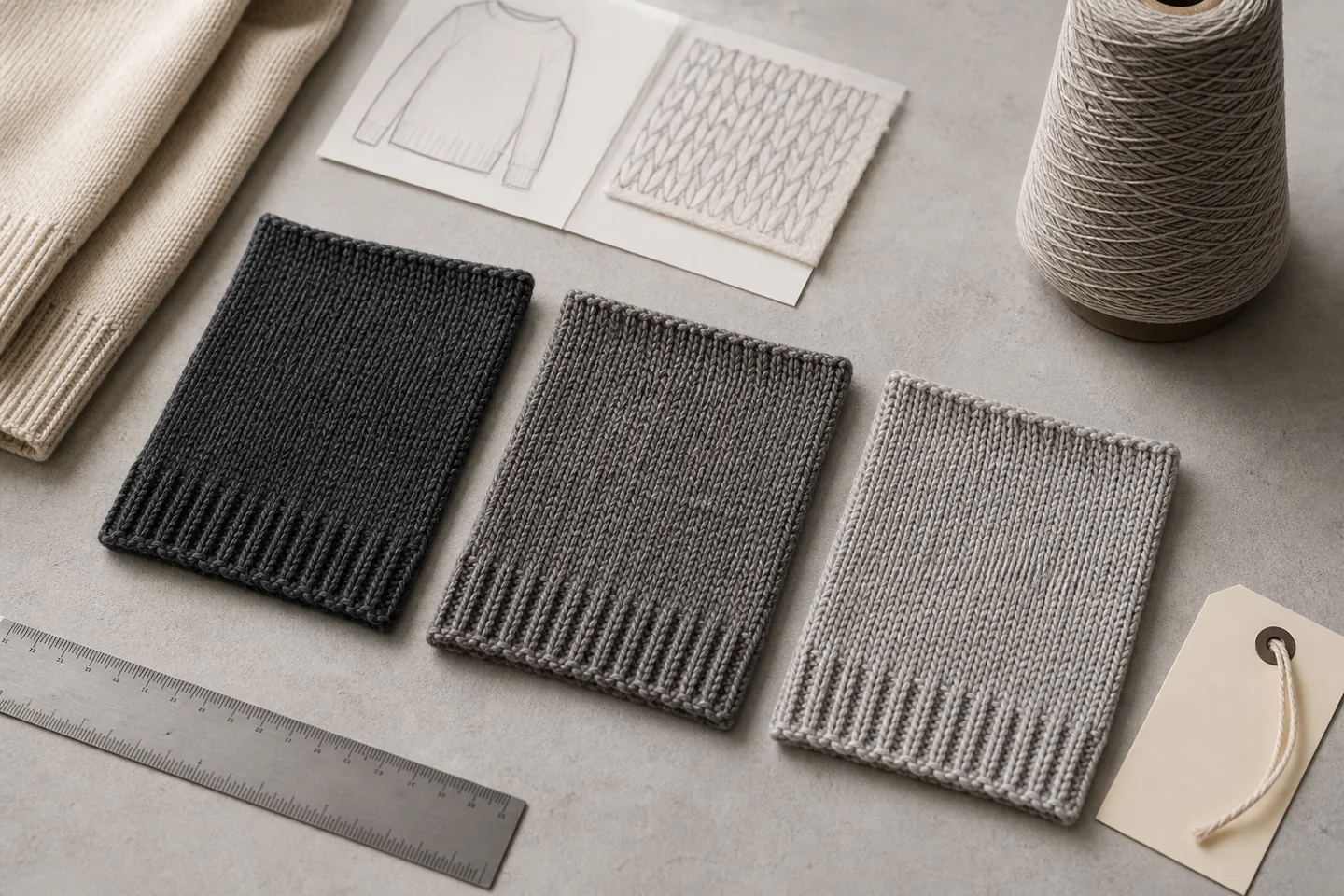
Choose one unambiguous color authority
A color name, HEX value, screenshot or mood-board image communicates direction but is not a stable production standard. Screens vary in calibration, brightness and viewing environment; cameras add exposure, white balance, compression and processing. Select a current physical color-system chip, buyer swatch or other controlled physical master, and record its name, code, edition or unique identity.
State whether the supplier should match the standard exactly or develop a project-specific interpretation after the sweater’s yarn, surface and finish are considered. A faded vintage reference may contain several shades. Mark the exact target area and distinguish desired irregularity from staining, migration or uncontrolled variation.
Approve color on the relevant material and structure
The same apparent target can look different on wool, cotton, acrylic, viscose, cashmere or a blend. Yarn hairiness, twist, luster, gauge, stitch depth and density change how light reaches the surface. A smooth fine-gauge jersey and a chunky cable should not automatically share one visual approval because they use the same color name.
For yarn-dyed sweaters, the development submission may include dyed yarn and a representative knit-down. The knitted surface is commercially important because loops, ribs, cables, jacquard floats and brushed fibers create highlights and shadows that a loose yarn strand cannot show. Identify fiber composition, yarn reference, ply, gauge and stitch with every approved sample.
Evaluate after the finish that affects final appearance
Garment washing, softening, brushing, spraying, tie dyeing and other treatments can alter color or perceived depth. Define whether the approval covers an untreated knit-down, a trial-finished panel, a complete sample or a combination of stages. The final selling condition should have its own controlled reference when finishing materially changes the surface.
Do not use one approval to authorize an unrelated revised process. If the yarn blend, dye route, wash recipe, softener, spray color or brushing changes, assess whether color must be resubmitted. Preserve the former reference as history, but give the corrected submission a new identity rather than overwriting the old decision.
Specify lighting and viewing conditions
Color is the interaction of the object, light and observer. Cotton Incorporated’s ISP-1005 technical bulletin explains foundational color concepts for textile product sourcers, including the importance of light source and controlled evaluation. Buyer and supplier should agree on the primary viewing condition and any secondary condition relevant to retail or use.
Checking a second agreed source can reveal metamerism: two materials may appear close under one light but separate under another. Do not prescribe D65, TL84, Illuminant A or any fixed combination merely because another brand uses it. Name the actual source, equipment or viewing method in your program, control surrounding colors and avoid mixing uncontrolled window, office and phone-screen judgments.
Combine visual and instrumental evidence carefully
A spectrophotometer can quantify color difference, but a number is incomplete without the standard, color-difference formula, illuminant, observer setting, measurement geometry, specimen preparation, surface orientation and agreed tolerance. Different formulas or setups can produce different results. Instrumental data supports—not automatically replaces—visual evaluation of a textured sweater.
There is no responsible universal ΔE limit for every fiber, shade and product. Set the method and acceptance range with qualified color specialists around the brand’s commercial need and the material’s repeatability. For marl, brushed, sprayed or intentionally irregular surfaces, define where and how measurement is meaningful instead of presenting a single convenient reading as the whole garment.
Write approval comments the dyeing team can execute
Identify every option and round, such as R1-A, R1-B and R1-C. Approve one, reject all, or give directional comments against the master: lighter or darker, redder or greener, yellower or bluer, cleaner or duller. Avoid “not right,” “make richer” or a filter-adjusted photo without a written direction.
- Name the master standard and intended material.
- Record submission round, option, date and process state.
- State the viewing and measurement conditions.
- Record the selected option or precise correction direction.
- List any secondary-light or component-matching concern.
- Date the decision and name the authorized approver.
- Retain matching buyer and supplier reference samples.
Approve components as a system
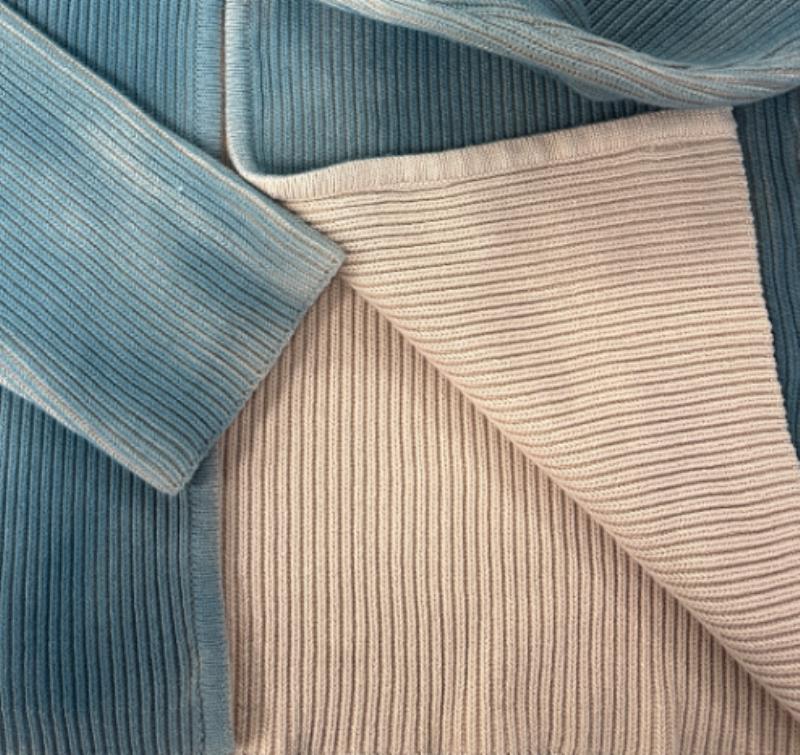
Compare the body with rib, contrast panels, embroidery, zipper tape, buttons, labels and other visible components. “Tone on tone” needs an accepted visual relationship; it does not always mean identical instrument readings across different materials. For sets or repeated collection colors, state which styles must coordinate and whether they require a shared lot or a cross-style shade standard.
Place light and dark components together during review, because simultaneous contrast can change perception. Also assess whether one color may transfer to another through processing or use, but route that question to the specified colorfastness tests. A visually approved navy beside a pale trim has not automatically passed staining or rubbing requirements.
Carry the reference into bulk shade control
A development approval authorizes a route; it does not prove that every bulk lot matches. Before bulk knitting where feasible, review the production yarn lot or representative panel against the approved standard. After the complete finish, compare garments across lots and within individual garments. Define how shade groups may be packed, matched or restricted.
Record lot identities and preserve representative light, standard and dark boundaries if the buyer accepts a range. Do not mix sleeves and bodies from visibly incompatible shade groups. Reorders need the original master plus retained production evidence; matching only the previous commercial name can allow shade drift over time.
Custom sweater color-approval checklist
- Physical master is current, identified and available to both parties.
- Fiber, yarn, gauge, stitch and finish match the intended product.
- Primary and secondary viewing conditions are written.
- Instrument method and tolerance are complete when required.
- Every submission round and option has a unique identity.
- Body, rib, trims and coordinated styles are reviewed together.
- Colorfastness remains a separate test decision.
- Bulk lots and finished garments are checked against retained references.
Yushengda works with wool, cotton, acrylic, viscose, cashmere and blended yarns across 3GG–16GG, subject to project development. Use the colorfastness testing guide, the spray-dyed consistency guide, or send your physical color reference, yarn direction and finish requirements for a project-specific discussion.
Technical references: Cotton Incorporated’s ISP-1005 Basics of Color for Cotton Textile Products and its technical bulletin library, plus X-Rite’s technical brief on controlled daylight and metamerism evaluation. Project standards, methods and tolerances must be agreed by the responsible parties.