Before paying a custom sweater bulk deposit, reconcile the approved sample against the final quotation line by line. Confirm that the price uses the same yarn, gauge, stitch structure, finished measurements and weight basis, wash or specialty finish, trims, labels and packing. Then align quantity, color/size mix, testing, inspection, delivery term and approval status. Any temporary sample material or open decision must remain visible and separately priced.
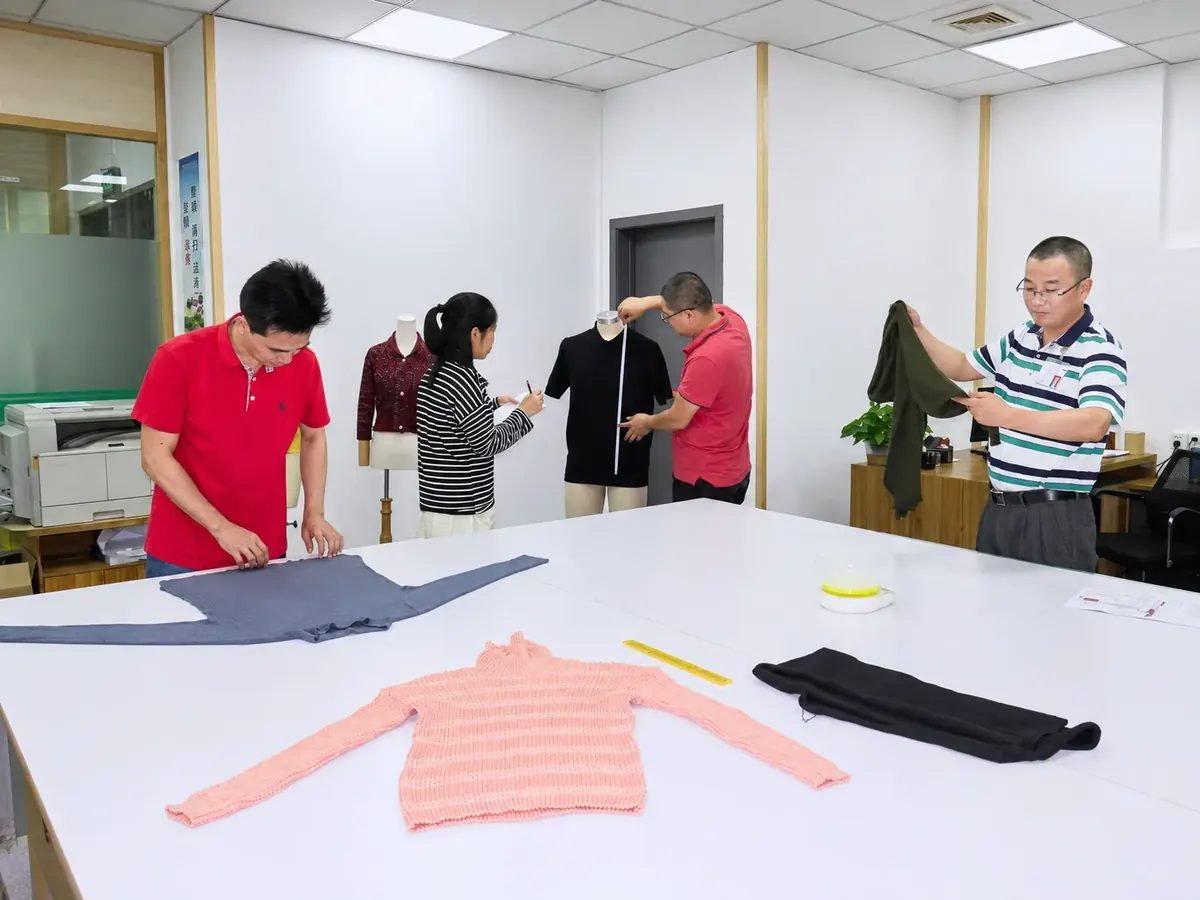
Why sample approval and price approval are different
A sample answers physical questions; a quotation prices a defined commercial scope. The sample may use available yarn, one base size, temporary labels or hand-applied details. The quote may assume a different quantity mix, production yarn route, packaging or trade term. “Sample approved” therefore does not prove that every visible feature is included in the bulk price.
Create one reconciliation sheet with four references: approved sample identity, current tech-pack revision, bill of materials and final quotation or pro forma invoice. Add the purchase order only after differences are closed. If a requirement is not confirmed, mark it open rather than treating silence as inclusion.
Prove the quoted yarn is the sampled yarn
Record supplier yarn code, composition, count and ply, number of ends, color route, gauge and stitch application. State whether the sample used production-intended yarn, a stock substitute or only a hand-feel reference. Compare fiber-claim documentation and any project-specific certification requirement separately from visual appearance.
Ask whether price uses actual measured sample consumption or an estimate, and identify sample size, included components, waste, dye-lot minimum and reserve yarn. A substitute can match composition yet change hand, weight, stitch definition, care, performance, MOQ and lead time. If bulk yarn differs, require the appropriate swatch, sample and commercial approval.
| Reconciliation line | Sample evidence | Quotation evidence |
|---|---|---|
| Yarn | Labeled yarn/knit reference and status | Code, composition, count/ply and color route |
| Construction | Gauge, stitch map, panels and seams | Same machine/process assumptions |
| Finished result | Measured weight, dimensions and treatment | Named finish and consumption basis |
| Components | Approved trims, labels and attachments | Unit scope, minimums and setup fees |
| Commercial scope | Not proved by sample | Quantity, inspection, packing and delivery term |
Map every visible operation to the bulk route
Check main stitch, ribs, fashioning, linking or sewing, pockets, plackets, buttonholes, artwork, embroidery and hand finishing. Ask whether the sample-room method changes for production. A hand-adjusted sample can look correct while hiding extra labor or a process that is unsuitable for the quoted volume.
For jacquard, intarsia, cables and mixed stitches, preserve the program or artwork revision and repeat dimensions. For washed, brushed, spray-dyed or tie-dyed knitwear, name the trial and approval boundary. Price the production-intended finish, handling, expected controlled variation and required rework standard—not merely a generic “special wash.”
Reconcile finished measurements and weight
Weigh the approved, fully finished sample with an identified method and record its size, color, trims and conditioning state. Treat garment weight as a production target or reference only under agreed limits; it is not interchangeable with fabric GSM. Confirm whether the quote was calculated before or after the final sample changes.
Update measurement charts and tolerances to the approved revision. A correction that adds body length, sleeve width, a heavier rib or a new pocket can increase consumption and operations. Conversely, the factory should not quietly reduce yarn, density or size to preserve an earlier price. Resolve product and price consequences together.
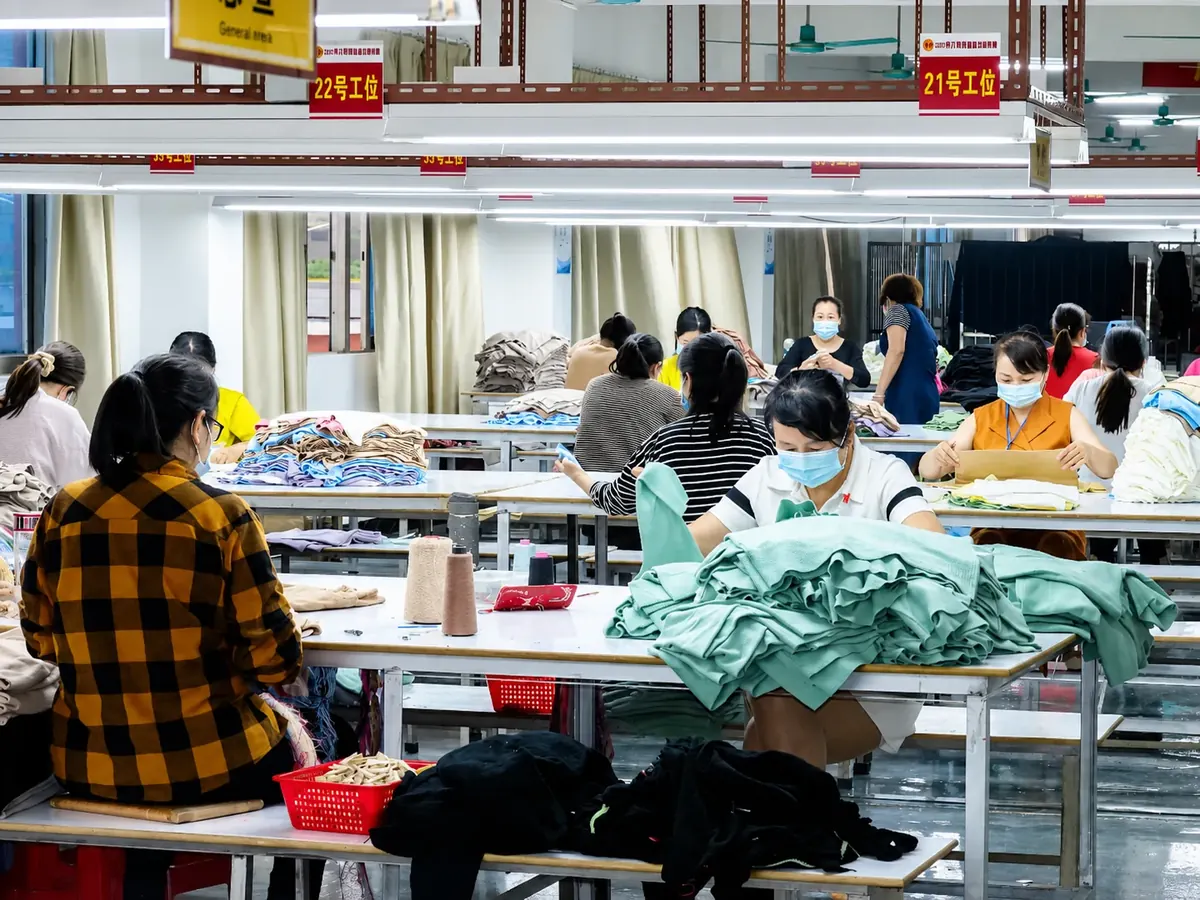
Check components that the sample may not contain
List buttons, zippers, drawcords, embroidery, patches, main/size/care labels, hangtags, barcodes, polybags, tissue, stickers, carton assortment and carton marks. Mark each as final, temporary, buyer-supplied, supplier-purchased, excluded or provisional. Include artwork setup, minimum order, leftover ownership and attachment.
Packaging affects both cost and shipping data. Confirm folding, units per polybag or set, carton quantity, dimensions and any transit or compliance requirement. A plain sample shipped by courier cannot demonstrate retail packaging, carton strength or the final pack ratio.
Complete the non-physical commercial lines
Reconcile MOQ per style and color, size split, over/under-delivery, sample fee credit, testing, customer-nominated inspection, payment milestones, currency, quotation validity, delivery date, Incoterms® rule and named place. Separate factory price from freight, duty, tax and buyer-side landed costs.
ISO's supply-chain guidance notes that customers need to provide purchasing information so suppliers understand requirements and identify approvals, monitoring or inspection that may be needed. It does not prescribe a sweater costing sheet; it supports making product and verification requirements explicit before purchase.
Use four statuses for every line
Mark each row matched, included with stated basis, open/provisional or excluded. Never allow “same as sample” to close a row whose identity was temporary. Assign an owner and deadline to open items, then issue a revised quote and specification package when decisions change.
The deposit gate should require an approved product revision, reconciled quotation, quantity matrix and delivery plan. Keep the sealed sample as a physical reference, but make the written file authoritative for details the garment cannot show, such as fiber claim, test method, assortment, packing and commercial terms.
Buyer sample-to-quote checklist
- Sample, tech pack, BOM and quotation have linked revision identities.
- Production and substitute yarns cannot be confused.
- Gauge, stitch, construction and finish match the quoted route.
- Weight and consumption use the approved finished sample basis.
- All sample changes are reflected in specification and price.
- Trims, labels, artwork and packaging have explicit scope.
- MOQ, color/size mix and material minimums are aligned.
- Testing, inspection and rework expectations are included or excluded.
- Currency, validity, payment, delivery and trade term are complete.
- No open item becomes bulk authorization by silence.
Yushengda develops wool, cotton, acrylic, viscose, cashmere and blended knitwear across 3GG–16GG, subject to the project, and supports customer-nominated third-party inspection. Use the BOM guide, quote-locking guide and sealed-sample guide, or send the approved sample revision, quantity matrix and packaging scope for a documented bulk quotation review.
Primary reference: International Organization for Standardization, ISO 9001 in the supply chain, on clear purchasing information and required approvals, monitoring or inspection. It does not certify or price a particular sweater order. Competitor articles were reviewed only to identify buyer questions and gaps; no wording, figures, claims, cases or images were reused.