A third-party knitwear inspection is only as useful as the standard supplied to the inspector. Buyers should provide the current tech pack, approved sample reference, measurement method, tolerances, color and finish limits, defect classifications, packaging requirements and order breakdown. The inspection company should not have to invent acceptance rules at the factory.
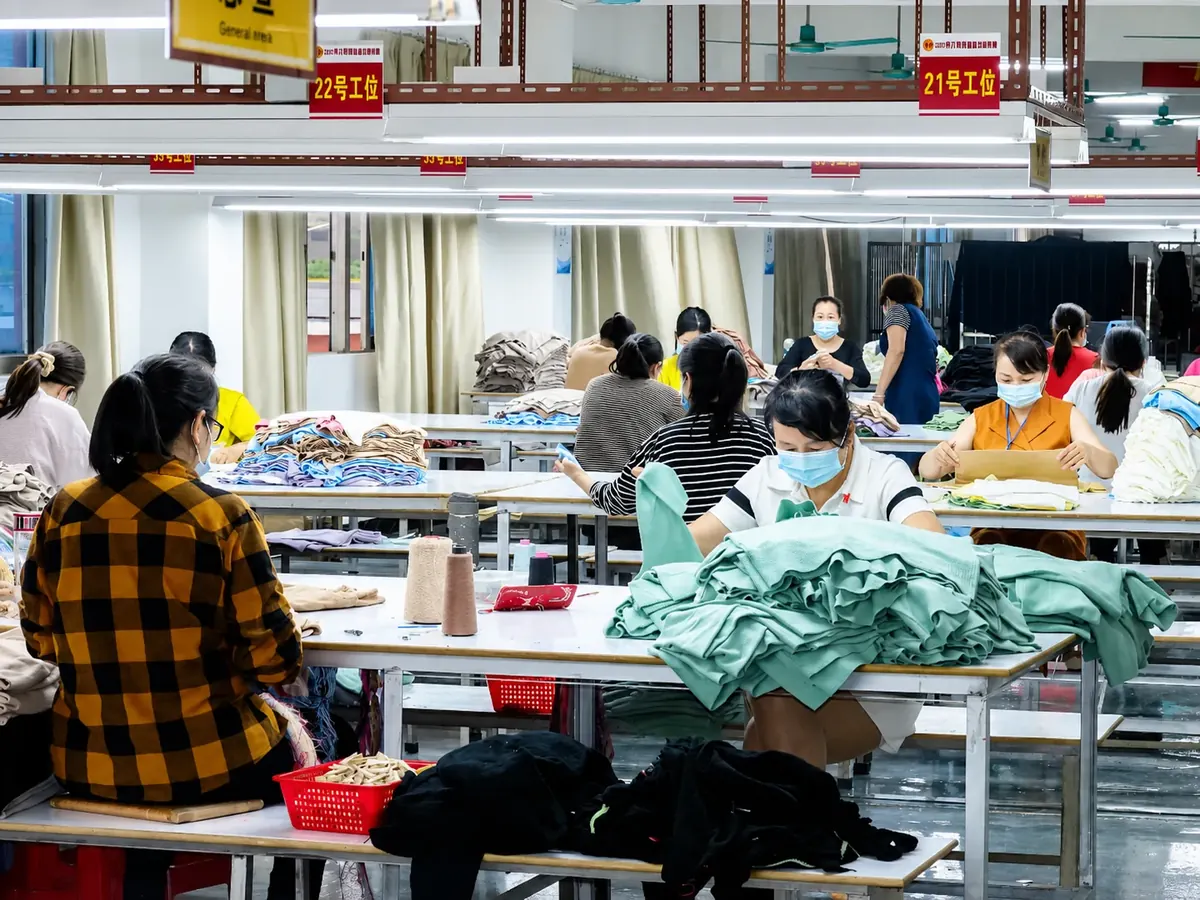
Choose the purpose and timing
An inline inspection can identify process drift while production continues; a final random inspection evaluates finished goods before shipment. Some projects may need both, while others need only one. Match the plan to order value, complexity, supplier history and risk. Book the service early and confirm how much production must be complete and packed before the visit.
Send one controlled document pack
Provide purchase order, style and color breakdown, current tech pack, measurement chart, bill of materials, artwork, labels, packaging instructions and approved deviations. Remove superseded documents. If the inspector receives an old tolerance or color reference, a technically accurate report can still answer the wrong question.
Define knitwear-specific checkpoints
Include dropped stitches, holes, needle lines, uneven tension, linking, seam appearance, rib recovery, motif alignment, shade, handfeel, stains, trims and measurements relevant to the style. For specialty finishing, state acceptable variation and unacceptable concentration or placement. Avoid universal defect lists that ignore the garment’s main commercial risk.
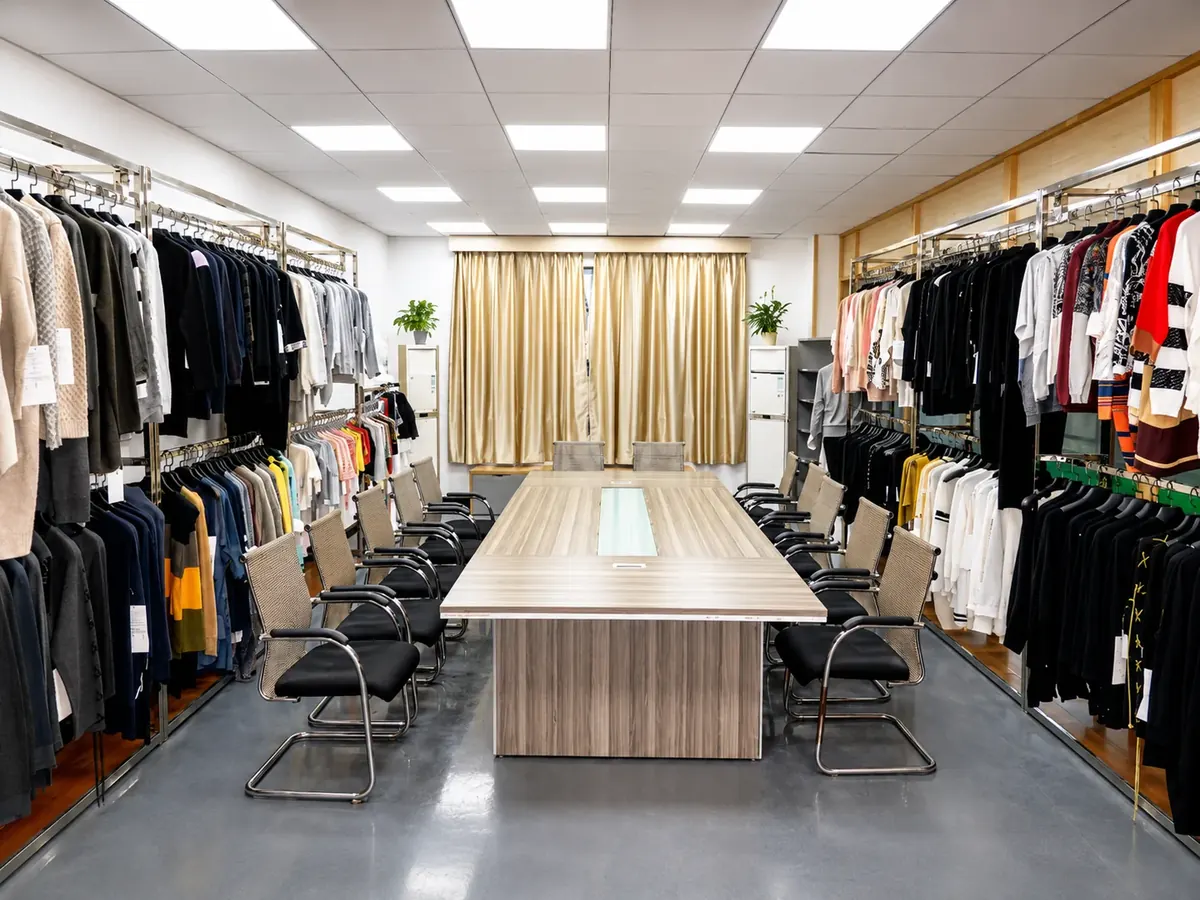
Clarify measurement and sampling rules
State how the garment should be laid, conditioned and measured, and which points have which tolerances. Agree the sampling approach and acceptance criteria with the inspection provider before the visit. Do not copy an acceptance level from another product without considering order requirements. Legal or performance testing is separate from visual inspection unless specifically arranged.
Prepare factory access and references
Confirm goods location, contact person, working hours, packed quantity and access to cartons. Make the approved physical sample or clear controlled images available. Ensure measuring tools and a suitable inspection area can be used. Yushengda supports customer-nominated third-party inspection, but the buyer and provider should define the scope directly.
Decide what happens after the report
Identify who reviews findings and how critical, major, minor or measurement issues will be handled under the agreed plan. If rework or sorting is required, define evidence and re-inspection needs. An inspection report supports a shipment decision; it does not automatically solve a non-conformity. Keep the final disposition with the order record.
Apply the decision to a real order
Hold a short alignment with the inspection provider for unusual knitting or finishing. Review the approved sample, highest-risk defects, measurement method and allowed variation. Confirm that the assigned inspector can assess knitwear and that required evidence will appear in the report.
Read the detail rather than only the pass or fail headline. Check sampled sizes and cartons, measurement method and photographs. Compare recurring findings with earlier checks. The report informs a shipment decision and future corrective action; it cannot replace a clear specification.
Buyer checklist
- Inspection stage and booking date confirmed
- Current specification pack supplied
- Approved reference and deviations available
- Defect and measurement rules defined
- Order readiness and access confirmed
- Report review and corrective path assigned
Yushengda develops custom knitwear from 3GG to 16GG with an MOQ starting from 100 pieces per color for suitable projects. Sampling normally takes 7–15 working days and bulk production normally takes 25–45 days after the deposit, subject to the confirmed yarn, construction and finish. Review our OEM/ODM process, explore our custom knitwear range, or send your project for a practical quotation.