Low-MOQ custom sweaters can reduce inventory exposure, but they do not remove yarn minimums, machine setup, sampling, labels or quality-control work. The practical goal is to simplify the collection so fixed costs are shared across more units. Buyers usually gain more by reducing colors, yarn families and special components than by negotiating only the garment price.
Why unit cost rises at low quantity
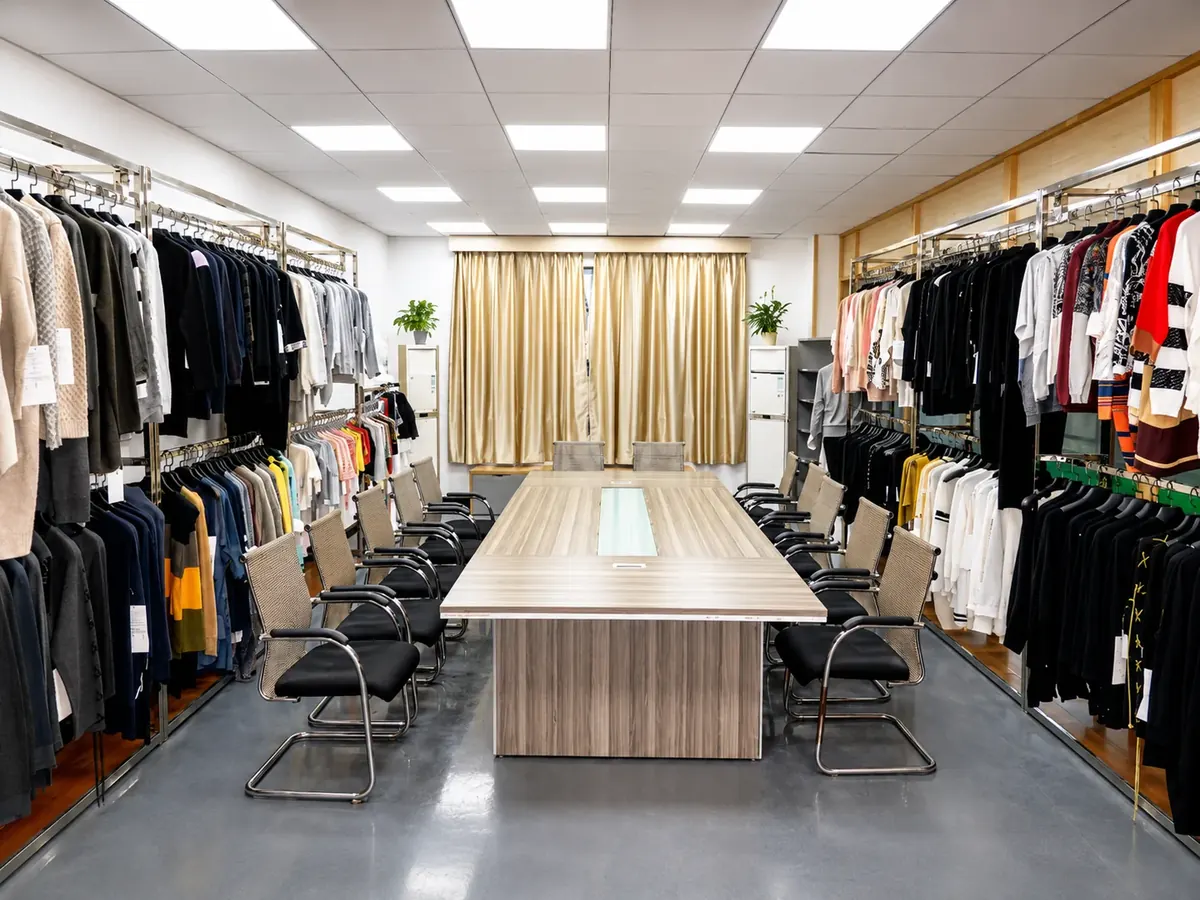
A knitting program, yarn change, linking setup, wash trial and inspection plan require time whether the order contains one hundred pieces or several thousand. Small orders spread those fixed activities across fewer garments. Yarn suppliers may also sell by cone, pack or dye lot rather than by exact garment consumption. Unused yarn, custom color preparation and minimum trim orders can therefore sit inside the price even when the garment quantity is small.
Simplify the range without making it generic
Build a capsule around one yarn family, a limited color palette and compatible gauges. Use silhouette, stitch placement and finishing to create variety while sharing material and trims. Two carefully differentiated styles may use resources more efficiently than six unrelated designs. Keep the hero design distinctive, but question custom hardware, unique label constructions and extra packaging components that add minimums without improving the customer experience.
Choose stock and custom elements deliberately
Stock yarn colors can reduce sourcing time and dye-lot exposure, while a custom color can create stronger brand identity. Decide where uniqueness matters commercially. A stock base yarn with an approved washed finish may deliver character without a custom yarn dye, but the finish still needs physical approval. Never assume that choosing stock material eliminates sampling, shrinkage review or shade standards.
Budget for the complete development path
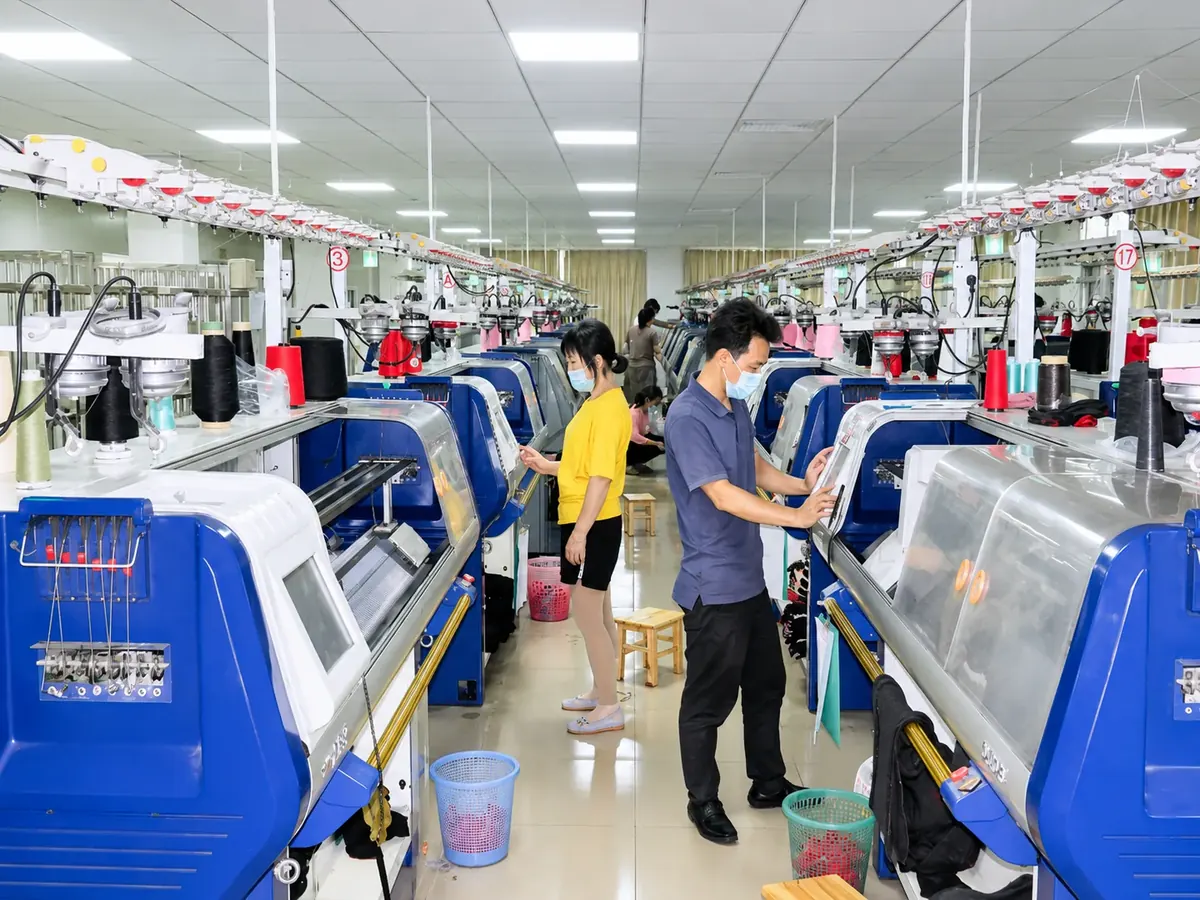
Include sample fees, shipping, possible revisions, color or wash trials, labels, packaging, inspection and freight in the cash plan. Yushengda’s sample fee starts from US$30 and is refundable when the corresponding order reaches 100 pieces. That commercial framework should still be evaluated style by style. A realistic development reserve prevents the brand from approving a weak sample simply because the initial budget covered only one round.
Protect margin with a landed-cost model
Estimate saleable units after planned inspection, freight and import costs rather than multiplying factory unit price by quantity. Add photography, fulfillment and expected markdown exposure on the brand side. Low MOQ can improve total cash risk even when the unit price is higher, because fewer unsold units are funded. The useful comparison is total program risk, not whether the small order matches the price of a large one.
Plan the next order before the first one ships
Save approved yarn, shade, measurements, artwork and packaging records. If replenishment is likely, ask how yarn availability and dye-lot variation will be handled. Repeat orders are easier when decisions are documented, but an identical shade cannot be assumed across separate material lots. A clear reorder standard makes growth more controlled and reduces the temptation to rebuild the product from memory.
Apply the decision to a real order
Rank every feature as essential, valuable or optional. Protect silhouette, handfeel and one recognizable design element; simplify items customers are unlikely to notice. This gives the factory a useful brief when proposing stock yarn, shared trims or construction changes without turning the product into a generic basic.
Compare the requested quantity with the next realistic tier using total cash, unit cost, expected sell-through and leftover exposure. A larger order is not automatically safer, and an extremely small run can become inefficient when development and freight dominate. Choose the scenario supported by real demand and reorder ability.
Buyer checklist
- Limit yarn families and color count
- Share trims and packaging where practical
- Reserve budget for revisions and courier costs
- Calculate landed cost and inventory exposure
- Document approvals for replenishment
- Keep quality gates even at small quantity
Yushengda develops custom knitwear from 3GG to 16GG with an MOQ starting from 100 pieces per color for suitable projects. Sampling normally takes 7–15 working days and bulk production normally takes 25–45 days after the deposit, subject to the confirmed yarn, construction and finish. Review our OEM/ODM process, explore our custom knitwear range, or send your project for a practical quotation.