Verify a recycled or organic yarn claim by defining the exact claim first, then connecting the selected yarn and sweater order to current scope and transaction evidence. A certification logo, supplier profile or generic certificate does not by itself prove that your color, quantity or finished garment is certified. Check entities, sites, processes, products, dates and transaction details before approving labels or marketing copy.
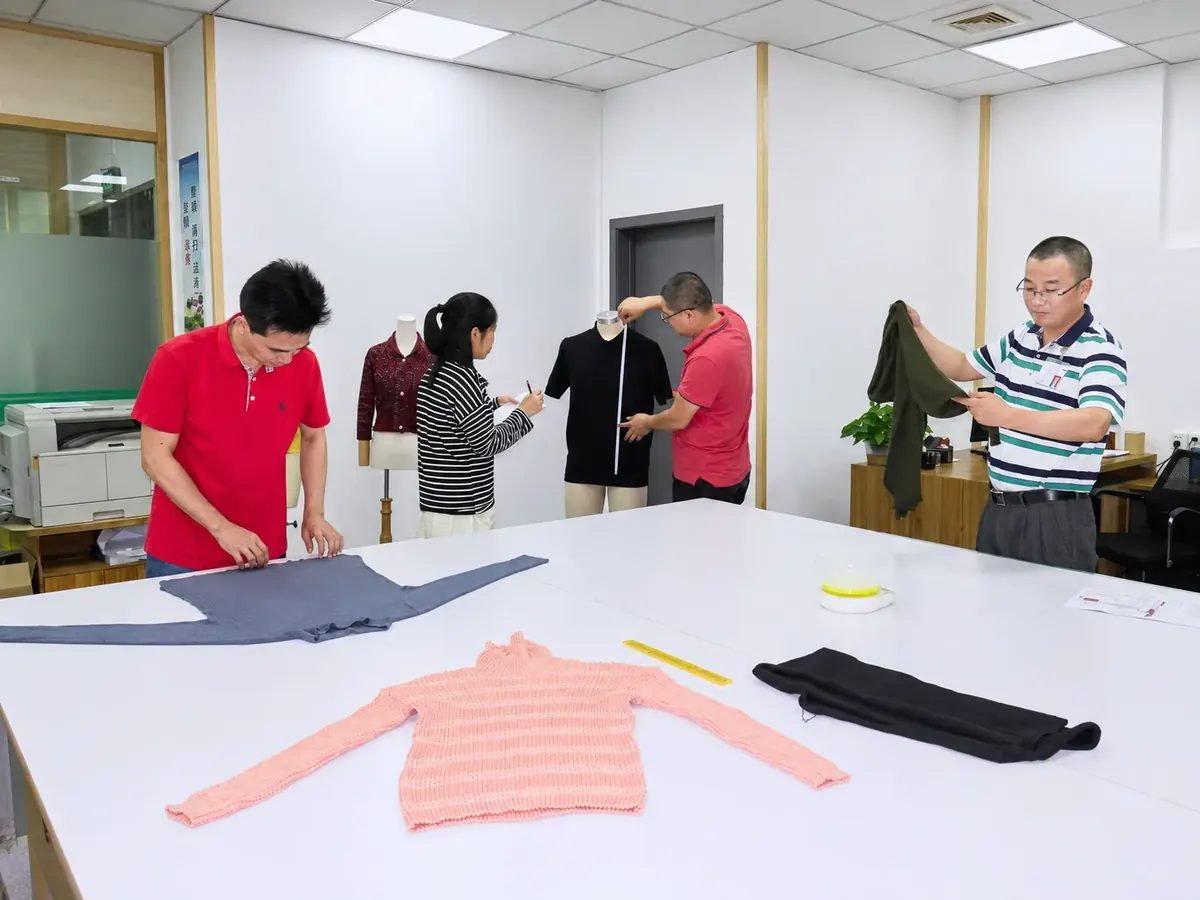
Write the claim before asking for proof
“Sustainable yarn” is not a verifiable specification. State the intended fiber, percentage, claim type, product component and certification program where applicable. “Body yarn contains 40% recycled pre-consumer cotton” is materially different from “recycled sweater,” just as an organic-cotton yarn claim differs from certification of the complete finished garment.
Identify whether the claim covers only the main yarn or also rib, linking yarn, embroidery, lining and trims. Record the final fiber-content wording separately from environmental marketing copy. Destination-market labeling and advertising rules may require legal review; certification eligibility does not automatically make every consumer-facing sentence acceptable.
Understand scope certificates and transaction certificates
Textile Exchange explains that its Content Claim Standard underpins chain of custody across processing stages. A scope certificate, often called an SC, is awarded after certification activities and identifies a certified organization, its sites, standards, processes and eligible product categories during a stated period. It shows capability and scope—not that a particular shipment used certified input.
A transaction certificate, or TC, records eligible certified products moving through a particular transaction or group of transactions under the applicable rules. It is the bridge buyers commonly need between certified material flows and a specific commercial order. A TC should be read with the related purchase, invoice, product, quantity, seller and buyer records; a certificate number pasted into a spreadsheet is not enough.
| Evidence | What it can support | What it cannot prove alone |
|---|---|---|
| Scope certificate | Named entity, site, standard, process and product scope during validity | Your exact yarn, PO or finished sweater transaction |
| Transaction certificate | Certified product flow tied to named transaction details | Unlisted components, unrelated orders or unrestricted logo use |
| Fiber test report | Properties measured on the identified specimen by the stated method | Complete chain of custody or certification status |
| Invoice and production record | Commercial and internal traceability between yarn and style | Third-party certification without valid certificate evidence |
Verify the certificate through the right authority
Do not validate a document only by calling the contact printed on it. Use the standard owner’s official database or the approved certification body’s trusted channel. For GOTS, search the Certified Suppliers Database for the named entity and review location, field of operation and product groups. Confirm that the certification body is approved for the relevant scope and that the certificate status and dates align with production.
For Textile Exchange standards, verify the organization and certificate information using the current official resources and certification-body route. Match the legal entity, production site and license or certificate number exactly. A yarn mill’s valid certificate does not automatically cover a garment manufacturer, subcontractor, dyeing facility or trader that is absent from the required chain.
Match the evidence to the sweater order
Build a simple traceability map from incoming yarn to outgoing garments. Link supplier yarn code, fiber composition, lot, color, weight and received quantity to the purchase order, knitting issue record, style, size-color quantity, waste or balance, invoice and shipment. Resolve inconsistent spellings, units or entity names instead of assuming they refer to the same material.
- Freeze the exact claim and intended customer-facing wording.
- Approve the yarn specification and supplier before bulk commitment.
- Verify current scope certificates for the relevant entities and processes.
- Define which transaction evidence will be required and by when.
- Link incoming yarn lots and quantities to the sweater PO and style.
- Reconcile composition, certified percentage, units and product descriptions.
- Review final labels, packaging and online copy against permitted claims.
- Archive the complete evidence set with the shipment record.
Request the evidence timeline before placing the order. Some transaction documents may be issued after commercial steps and certification-body review, so “send it before production tomorrow” may be unrealistic. Agree on application responsibility, document inputs, expected timing and the commercial decision if evidence is delayed, rejected or does not cover the requested claim.
Do not use testing as a substitute for chain of custody
A laboratory may test fiber composition or other properties of an identified specimen, but many recycled and organic claims concern origin and controlled material flow. Those attributes are not proven merely because a microscope or chemical analysis reports the expected generic fiber type. Conversely, chain-of-custody documents do not replace performance, restricted-substance or fiber-composition testing required by the buyer.
Keep the two evidence streams aligned. If the TC description says a recycled cotton blend but the specification, fiber label or test report states a different composition, stop the claim approval and reconcile the discrepancy. Never edit one document to make it resemble another; ask the responsible issuer to correct errors through its controlled amendment process.
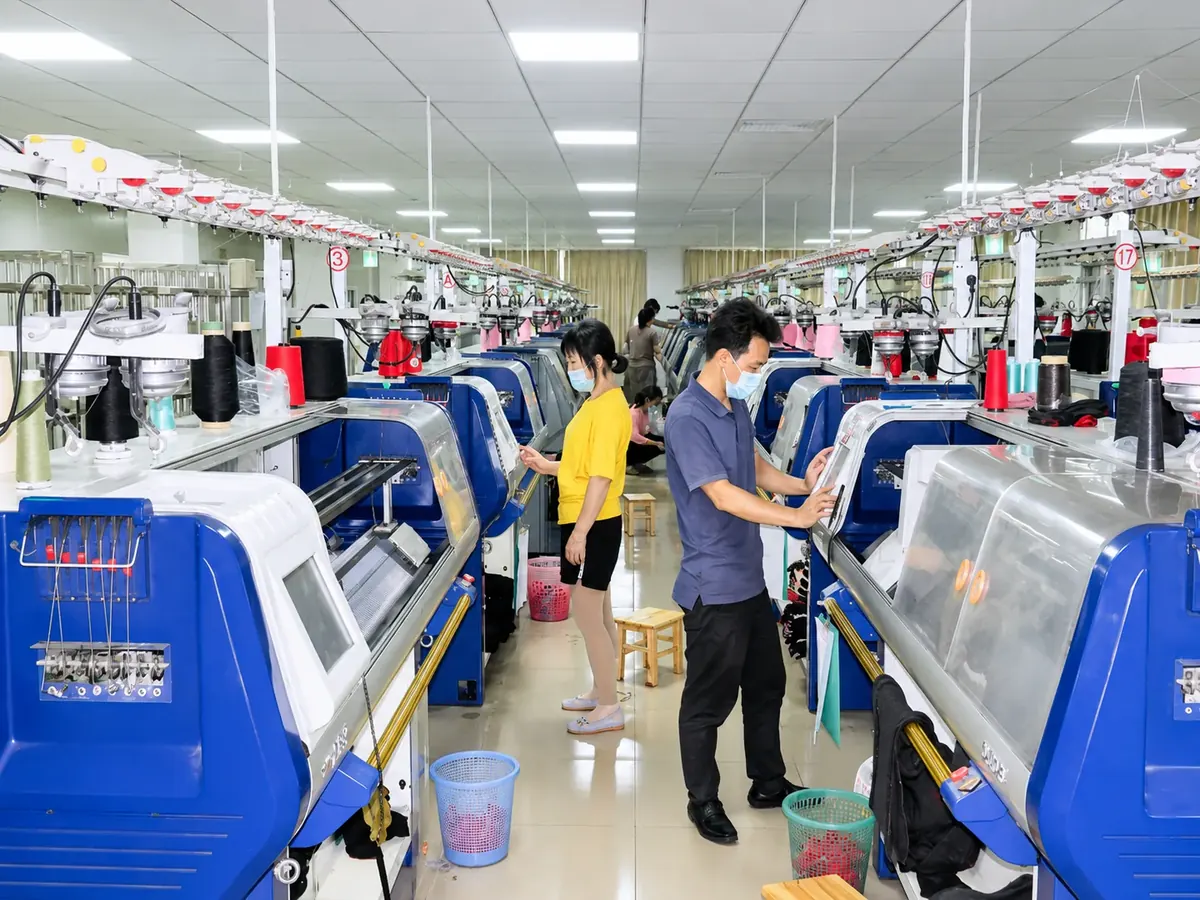
Control substitutions, subcontracting and leftovers
A late yarn substitution can break both product performance and claim evidence. Require written approval before changing mill, yarn code, composition, certified percentage, lot or color route. Recheck certificate scope and transaction eligibility for the substitute instead of carrying the original claim forward automatically.
List external knitting, dyeing, finishing, linking or packing sites when the applicable certification system requires them to be controlled. Keep certified and non-certified inputs identified according to the system’s rules. Leftover yarn from another order should not be assigned to a new certified claim without the necessary inventory and transaction evidence.
Stop the claim when evidence does not connect
Red flags include a logo without a certificate number, an expired SC, a different company or address, a scope that omits the relevant process or product, a TC for another buyer or quantity, and marketing wording broader than the certified component. Pressure to print labels before the evidence route is agreed is also a process warning.
If the chain cannot be verified, the safest commercial response is to pause the claim—not invent a percentage, reuse a supplier’s logo or describe the product as certified. Decide with the certification body and qualified compliance advisers whether the order can be corrected, re-documented, relabeled or sold without the proposed claim.
Buyer evidence checklist
- Exact fiber, percentage, component and claim wording are frozen.
- Certificate entity, site, standard, scope and dates match production.
- Transaction evidence matches seller, buyer, product and quantity.
- Yarn lots reconcile with the sweater PO and production records.
- Substitutions and subcontractors are controlled before use.
- Testing and chain-of-custody evidence remain separate but consistent.
- Logo and label permissions are verified for the intended use.
- Missing or conflicting evidence blocks the claim approval.
Yushengda works with wool, cotton, acrylic, viscose, cashmere and blended yarns, subject to project development and supplier availability. Certification or material claims must be confirmed for the specific order; this article does not assert certificate validity for any party. Use the yarn-substitution guide, the test-report review guide, or send your yarn specification, quantity and required evidence for a project-specific discussion.
Official references: Textile Exchange’s Chain of Custody overview and current Policy for Scope and Transaction Certificates; the Global Organic Textile Standard’s Certified Suppliers Database and transaction-certificate template. Apply the current program rules and obtain certification-body or legal advice for a specific claim.