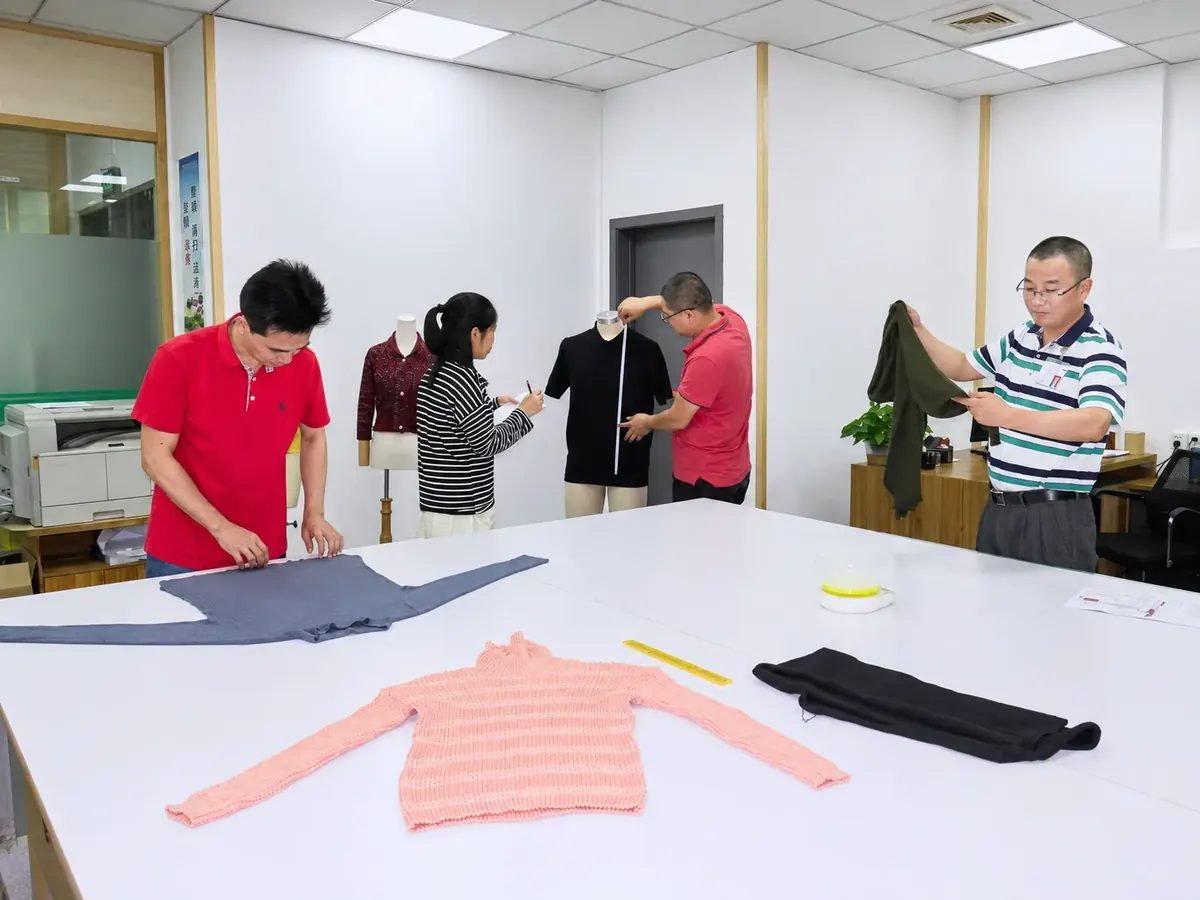
A yarn substitution should never be approved from composition and color alone. Buyers should compare yarn count, ply, twist, surface, elasticity, stitch definition, finished weight, handfeel, care behavior, availability and price. The safest decision uses a knitted and finished swatch—or a revised sample—because the same fiber percentage can produce a visibly different sweater.
Ask why the substitution is proposed
The reason may be availability, discontinued color, minimum dye quantity, lead time, price or a technical problem with the original yarn. Record the cause and whether the change is temporary or permanent. A substitute chosen only to meet price may require a design adjustment; one chosen for availability may affect future replenishment. Understanding the constraint helps the buyer decide what must remain unchanged.
Compare the yarn specification
Request composition, yarn count, ply, supplier reference, color route and any documentation required by the project. Review twist, hairiness, luster and elasticity where these affect appearance. Avoid describing two yarns as equivalent solely because both are cotton or both are wool blends. Small structural differences can change stitch clarity, garment weight and knitting efficiency.
Knit the intended gauge and structure
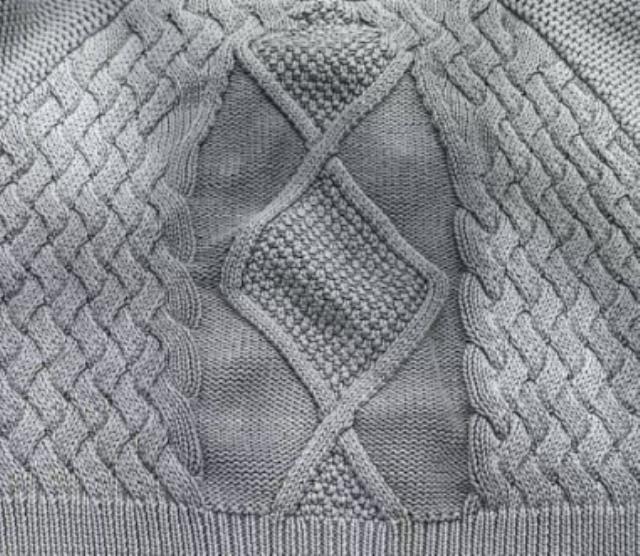
A loose stockinette swatch cannot approve a cable, rib or jacquard style. Test the substitute in a representative stitch and intended gauge, then finish it through the proposed wash or pressing route. Compare dimensions, recovery, opacity, drape and surface with the approved reference. If the substitute forces a gauge change, review measurements and silhouette rather than treating it as a material-only revision.
Review color and finishing together
The same nominal shade can look different because fiber surface and luster affect perceived color. Specialty washing, spray dyeing or brushing may amplify the difference. Approve color after the relevant finish, and consider trim compatibility. If the garment combines yarns, check migration, contrast and differential movement instead of reviewing each component separately.
Recalculate commercial effects
Ask how the change affects unit price, yarn minimum, sample work, bulk timing and reorder availability. A cheaper yarn may consume more weight or knit more slowly; an available stock yarn may reduce lead time but limit future colors. Update the quotation and production calendar in writing. Do not let a technical approval silently become a commercial approval.
Create a controlled change record
Give the substitute a clear reference, revision date and approval status. Update the bill of materials, tech pack, color record and care assumptions. Remove or mark superseded files so purchasing and production do not mix versions. If only one color uses the substitute, record that exception. Consistent documentation is especially important when the next order is handled by a different buyer or merchandiser.
Apply the decision to a real order
Use a side-by-side approval sheet for original and substitute yarns, finished swatches and garments. Score handfeel, stitch clarity, weight, stretch, recovery, color, finish response, care assumptions, availability and commercial impact. Identify which differences are acceptable and which would change the product promise.
Choose the re-sampling level by risk. A close stock-color replacement in a simple structure may need a finished swatch; a different count, blend or specialty-finished yarn may justify a complete sample. Yarn creates the knitted fabric, so one material change can alter several approvals at once.
Buyer checklist
- Reason and duration of change recorded
- Full yarn reference compared
- Representative knit-and-finish swatch reviewed
- Color and trims checked together
- Price, MOQ and lead time recalculated
- Tech pack and approval record updated
Yushengda develops custom knitwear from 3GG to 16GG with an MOQ starting from 100 pieces per color for suitable projects. Sampling normally takes 7–15 working days and bulk production normally takes 25–45 days after the deposit, subject to the confirmed yarn, construction and finish. Review our OEM/ODM process, explore our custom knitwear range, or send your project for a practical quotation.