For a first low-MOQ sweater collection, put more units behind fewer, better-evidenced choices. Start with one hero style, limit unproven colors, build the size split from customer evidence, and calculate inventory exposure by sellable SKU—not only by total pieces. Confirm whether the factory minimum applies per style, color or size before sampling, then design a reorder decision before placing the first bulk order.
Why a low MOQ can still create too much inventory
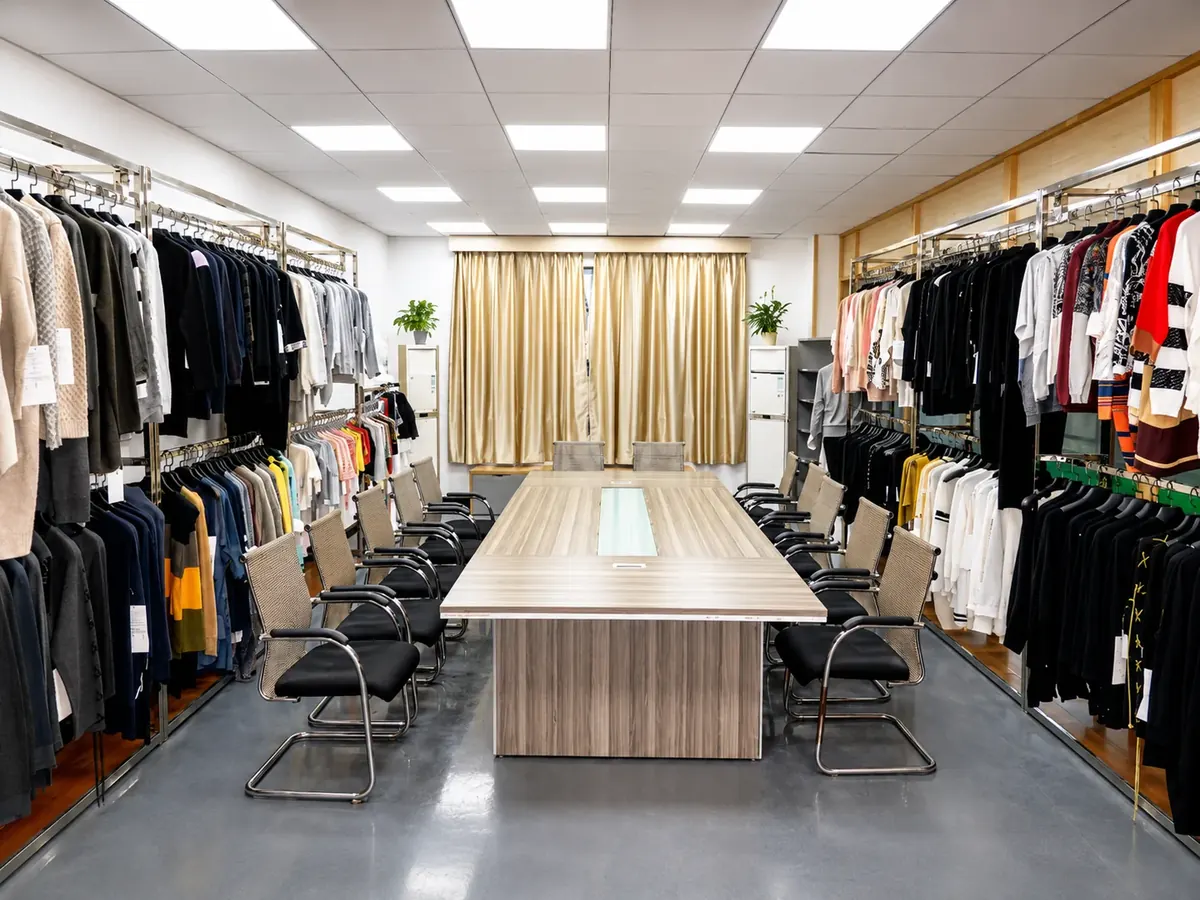
“100 pieces” sounds small until it is multiplied. If the minimum is 100 pieces per color, one style in three colors becomes 300 garments. Five sizes turn those garments into 15 sellable SKUs, each of which can sell at a different rate. A weak color or incorrect size curve may remain in stock even when the style appears successful in total.
This is the breadth-versus-depth problem in apparel assortment planning. Breadth means more styles, colors and sizes; depth means more units behind each choice. New brands often add breadth to make a launch look complete, but every additional variant divides both cash and demand. The safer first-buy question is not “How many designs can we make?” It is “Which few decisions do we have enough evidence to support?”
Confirm what the MOQ actually measures
Before costing a range, ask whether MOQ is calculated per style, per color, per yarn, per size or for the entire order. Also ask whether sizes can be freely assorted, whether a custom-dyed yarn has its own minimum, and whether trims or packaging create separate order quantities. A low headline number is not useful if the requested color plan activates several independent minimums.
Yushengda’s standard starting point is 100 pieces per color, with the final quantity subject to yarn, construction, finish and project requirements. Buyers should submit the proposed style count, colors and size breakdown together. That allows feasibility and pricing to be assessed against the actual range rather than an ambiguous total quantity.
Build the first buy around one hero style
Choose the style with the clearest customer, use case and sales argument as the hero. It should not merely be the design the team likes most. Useful evidence includes pre-orders, wait-list responses, past sales from a comparable product, wholesale feedback, customer interviews and paid-ad response. Social likes alone are weaker evidence because they do not reveal size, color or purchase intent.
Give an experimental shape, novelty stitch or difficult finish less depth than a proven commercial silhouette. When two styles serve almost the same customer need, consider launching the stronger one first. Sampling can remain broader than bulk production: developing alternatives does not require ordering every approved sample.
Use colors to concentrate demand
For an unproven sweater, one core color plus one deliberate accent is usually easier to interpret than four speculative shades. The core should fit the brand and customer evidence; it does not have to be black. The accent should have a clear merchandising role rather than simply making the product page look more colorful.
Ask whether stock-service yarn colors can meet the design intent. Custom dyeing may introduce yarn minimums, lab-dip approvals and additional timing. Sharing an approved yarn and selected colors across compatible styles can simplify sourcing, but it should never be assumed that leftover yarn, dye lots or shades are interchangeable. Confirm each proposal with the manufacturer and approve any substitution in writing.
Create a size curve from evidence
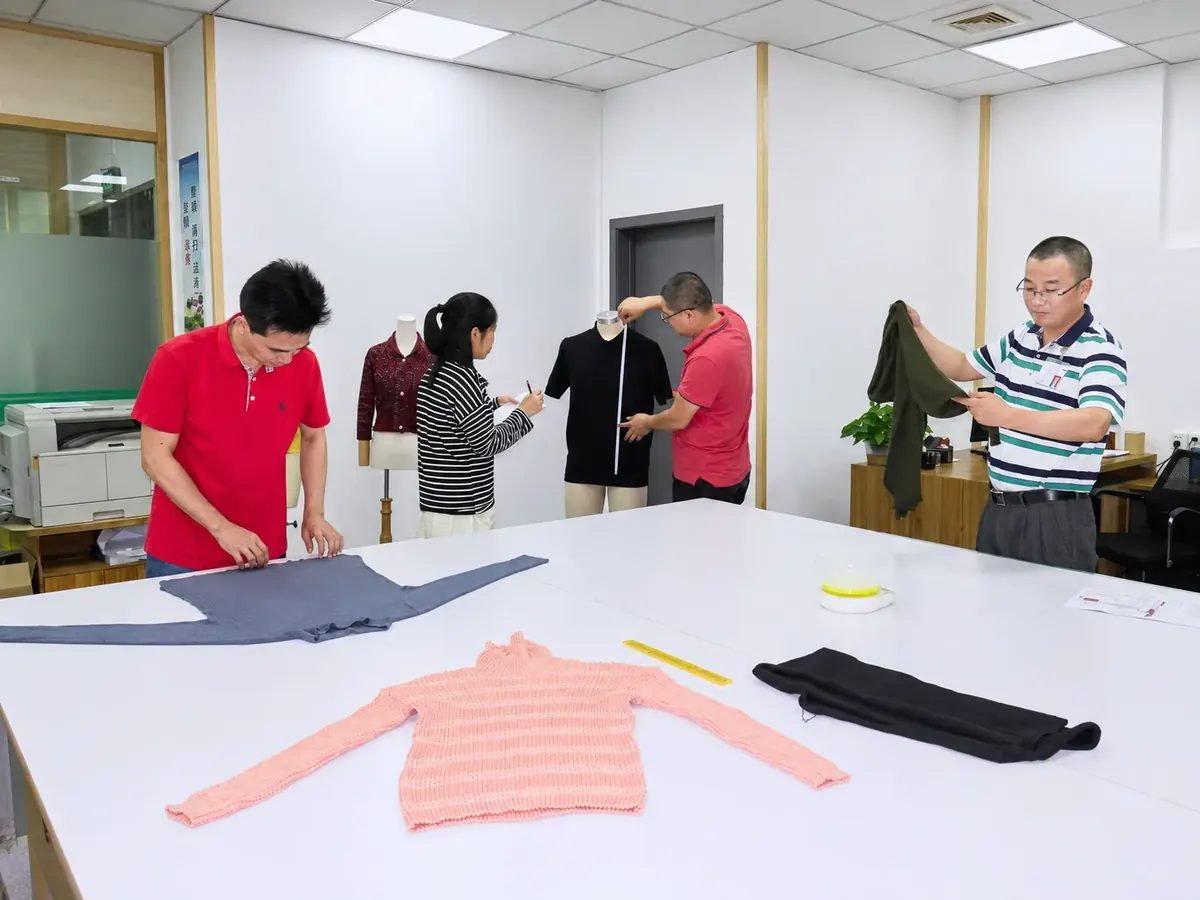
An equal split across XS, S, M, L and XL is simple, but it is not automatically balanced. Use the brand’s historical orders or pre-order data when available. For a new label, combine the intended fit, target-customer measurements, comparable-product data and channel feedback, then document the assumptions. Do not copy a generic size ratio without checking the customer and silhouette behind it.
For example, a 100-piece color does not need to become 20 units in every size. The brand can propose a weighted curve, subject to production feasibility. Keep the calculation transparent: units per size should add back to the color MOQ, and every size should have a reason for its allocation. Review returns and stockouts after launch so the second buy uses the brand’s own evidence.
Calculate cash exposure by SKU
Build a simple matrix with style, color, size, units, ex-factory price, estimated freight and duty, packaging, testing, platform fees and launch marketing. Costs vary by project and destination, so label estimates rather than presenting them as confirmed quotations. The purpose is to see the cash committed to each variant and the units that must sell before a reorder becomes sensible.
Also model a slow case. If the accent color sells later than planned, can the brand carry it, bundle it, sell it wholesale or mark it down without damaging cash needed for the next launch? Low MOQ reduces the quantity at risk; it does not make poor assortment decisions harmless.
Plan the reorder before the first order
Define the evidence that triggers a reorder: paid orders, sell-through by SKU, return reasons, stock cover and the time remaining before the selling window closes. Confirm the expected production route and approval requirements with the supplier. Yushengda’s normal sampling time is 7–15 working days and bulk production is normally 25–45 days after deposit, but yarn availability, construction, finish, quantity and approval timing can change the project schedule.
A reorder is therefore not instant replenishment. Set the decision date by working backward from the required delivery date, including production, inspection and shipping. Preserve the approved tech pack, sample comments, yarn reference, color standard and packaging specification so the reorder begins from controlled information.
Low-MOQ collection decision checklist
- Confirm whether every color activates a separate MOQ.
- Select a hero style using purchase-intent evidence.
- Limit unproven colors and explain each color’s role.
- Build the size curve from customer and fit evidence.
- Calculate landed exposure for every sellable SKU.
- Sample alternatives without assuming all must go to bulk.
- Set a slow-sales response before committing cash.
- Work backward to a dated reorder decision.
- Keep approved specifications ready for repeat production.
Use our low-MOQ cost guide and custom sweater RFQ checklist, or send your proposed style, color and size matrix for a project-specific review.
Planning references: Inventory Planner’s fashion assortment overview and SPS Commerce guidance on size curves and pack configurations. These sources inform the general retail-planning recommendations; Yushengda project terms are stated separately above.