Looking for a low MOQ sweater manufacturer for your first collection? Yushengda welcomes small-batch enquiries, including proposed 50-piece projects, for individual feasibility review. Making 50 sweaters still requires development, machine setup and material planning, so the unit price can be higher than for 500. The right starting quantity depends on your design, yarn, color split, budget and realistic demand—not simply the cheapest price per garment.
Can you start with 50 sweaters?
Tell us what you want to make. A request for 50 pieces starts a production discussion; it is not an automatic acceptance of every design. Our published standard MOQ is 100 pieces per color for suitable projects. Smaller pilot runs can be discussed separately, with the feasible quantity and conditions confirmed in the quotation before you commit.
This distinction matters: 50 pieces in one color is a different enquiry from 50 pieces divided across five colors. Yarn availability, construction, finishing and branding can change what is practical. We will review the actual specification rather than promise that every sweater can be made at the same minimum.
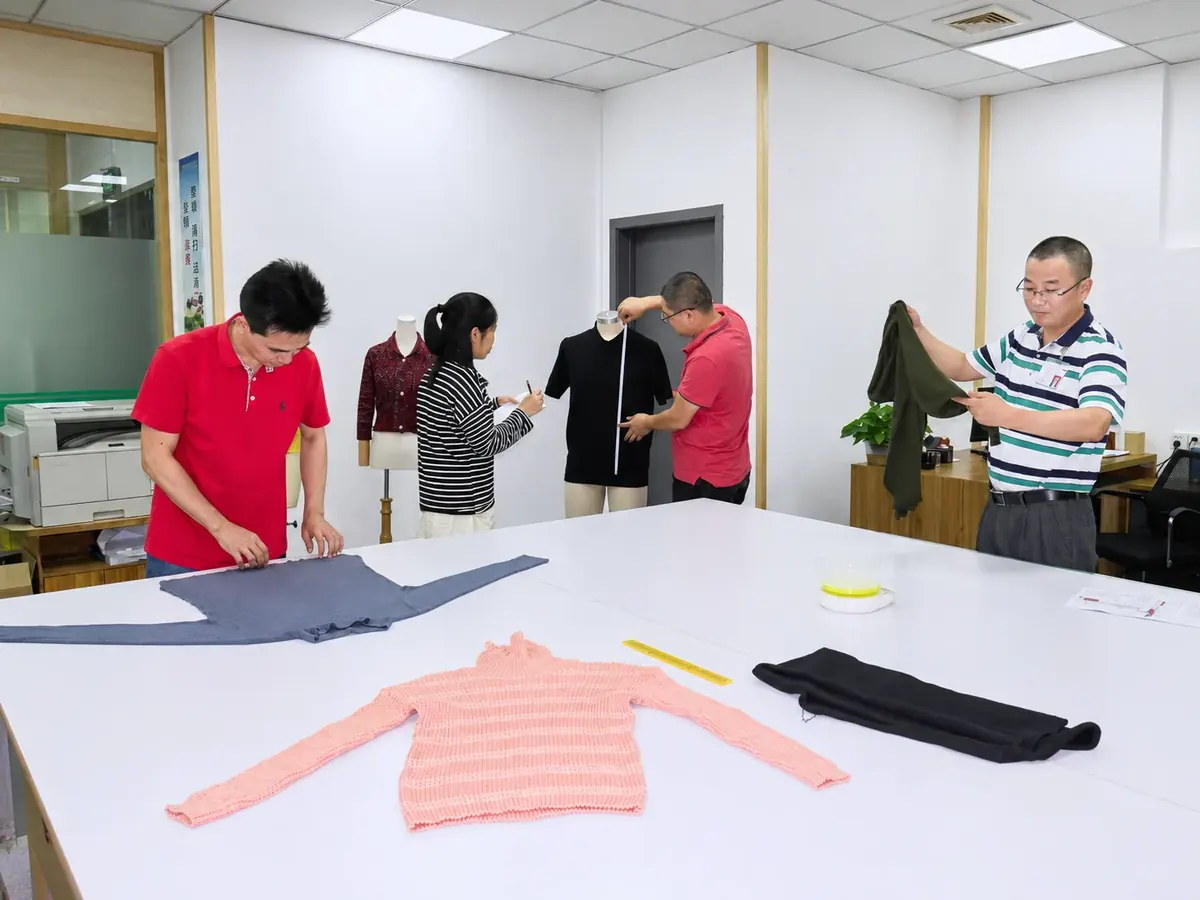
Why small-batch sweater production costs more per piece
1. Development does not shrink with the order
A knitting program, sample review, measurement specification and production instructions are still needed. These tasks do not become one-tenth as demanding merely because the order falls from 500 to 50. Spreading a similar development workload across fewer garments increases its share of each garment's cost.
2. Setup and changeovers use production time
The yarn, gauge and stitch structure must work together. Settings and handling instructions need checking before repeat production. A short run gives the team less time to benefit from a stable setup before preparing another style. That is a scheduling constraint, not a reason to overlook a small brand.
3. Yarn and trim minimums are separate
A factory's garment minimum does not automatically remove a yarn supplier's color or purchasing minimum. Custom-dyed yarn, special zippers and printed packaging can leave unused material after a small run. Ask whether an available yarn or standard trim meets your design, and clarify who owns and pays for any remainder.
4. Skilled work remains necessary
Linking, finishing and inspection require attention at either quantity. Small runs still need workers' preparation and coordination time to be covered. Low MOQ should mean a workable production plan—not skipped checks or an assumption that skilled labor becomes free.
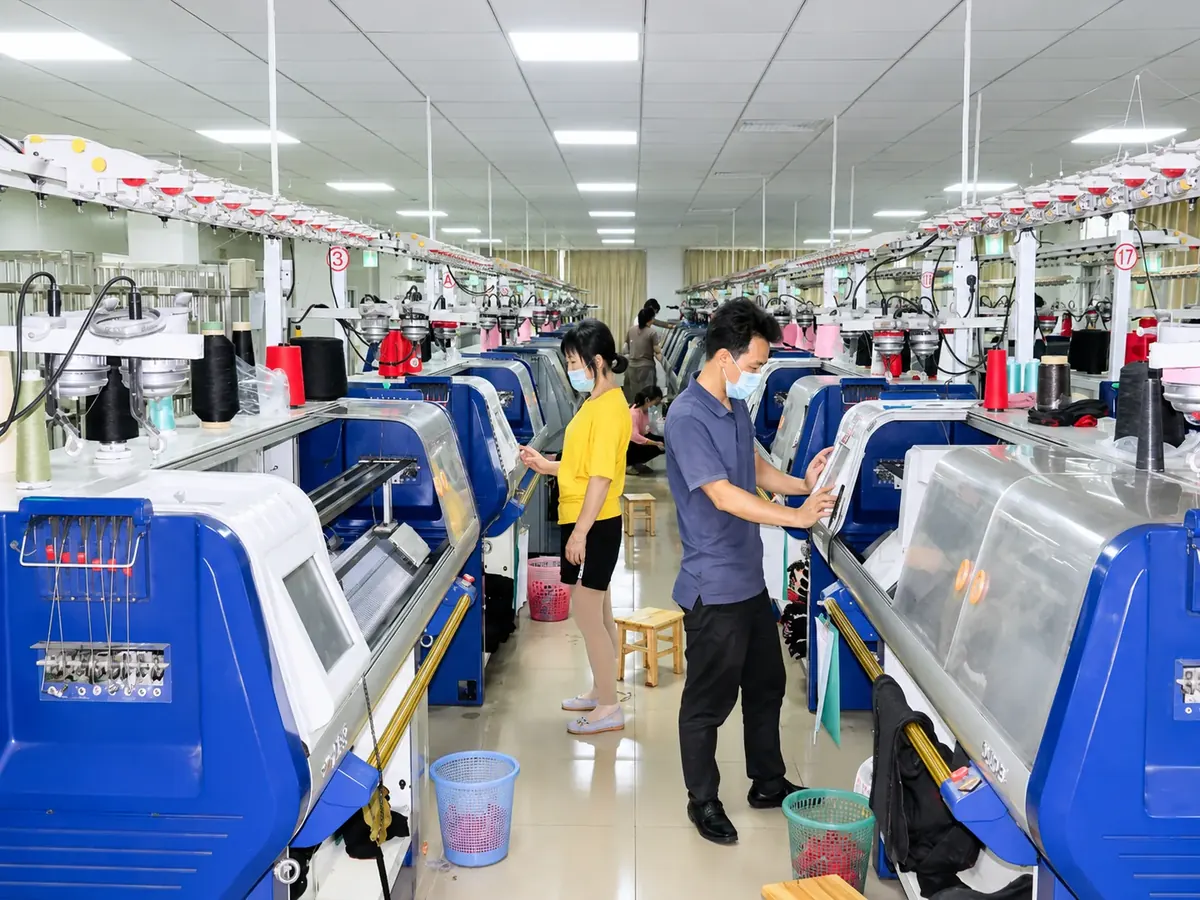
50 vs. 500 sweaters: compare the commitment, not just the price
| Decision | 50-piece pilot, if feasible | 500-piece order |
|---|---|---|
| Setup cost per garment | Spread across fewer pieces | Spread across more pieces |
| Inventory exposure | Fewer units to sell | More units to sell or store |
| Design flexibility | Material and color choices may need simplifying | More purchasing scale, still subject to supplier minimums |
| Quality planning | Approved sample and clear checks still needed | Consistent checks across the larger run needed |
These are planning differences, not price quotations. A larger order may reduce unit cost while increasing total cash committed and unsold stock. A pilot can test customer response, but its results may not predict demand at a larger scale. Compare both options against your sales plan before choosing.
How to make a low MOQ enquiry easier to evaluate
- Choose one clear style. Send a sketch, tech pack or reference and identify the design elements that must stay.
- Show the quantity split. Specify pieces per style, color and size instead of only a collection total.
- Identify flexible choices. Say whether available yarn colors, alternative fibers or standard trims are acceptable. Any substitution needs your approval.
- Separate development from production. Ask for sample charges, production price, material commitments and delivery assumptions in writing.
- Plan the next decision. Explain what would trigger a reorder, without assuming the original yarn lot or production slot will remain available.
Discuss your small-batch collection with Yushengda
As a second-generation member of a knitwear manufacturing family, I believe a first collection deserves a serious review. Our manufacturing resources cover knitting, linking, washing and finishing, helping us coordinate development discussions with independent brands and emerging designers. We welcome low MOQ projects while being clear about what each specification requires.
For the broader commercial framework, read our MOQ, sampling cost and lead-time guide. For itemized budgeting, see small-order cost considerations, or explore our custom knitwear OEM/ODM service.
Planning 50 sweaters rather than 500? Send your design, quantity by color, preferred yarn and target delivery date. Ask us to review a low MOQ production route and explain the feasible minimum, development requirements and quotation conditions for your project.