Reserve custom sweater capacity by agreeing a dated production window for a defined style, quantity, gauge and route, then recording what must happen before that window is usable. A supplier saying “we have capacity” does not reserve yarn, machine time, linking, finishing, inspection or shipment. Ask for a written slot record with owners, readiness gates, expiry, commercial exposure and a change process. Treat it as a planning commitment, not a guarantee until the agreed conditions are met.
Separate capacity from a delivery promise
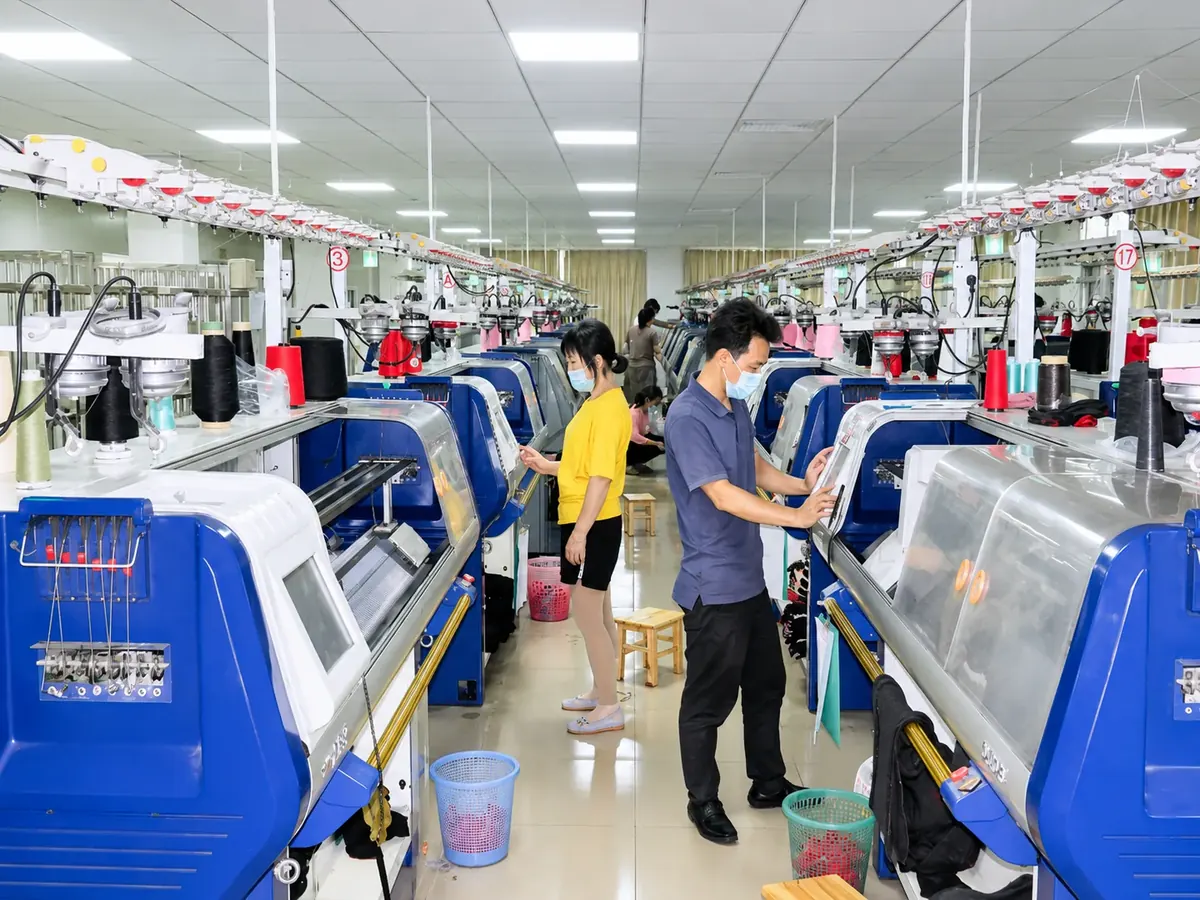
Capacity is the ability to perform a defined process in a period. A delivery promise adds material availability, approved specifications, internal and external process coordination, quality release, packing, export handling and the agreed transport event. Neither should be reduced to a headline monthly capacity number. A 3GG cable cardigan with washing and linking may not use the same people, machines or critical path as a simple fine-gauge pullover.
First state the event that matters: factory ex-works readiness, cargo handover, vessel departure, destination arrival or warehouse receipt. Work backward through final inspection, packing, finishing, assembly, knitting, materials and approvals. This prevents a buyer from treating a possible knitting start as a confirmed delivery date.
Define exactly what the supplier is reserving
A usable reservation names the commercial and technical scope. It should not be a vague email saying “slot held for September.” Put the following information in one dated record shared by buyer and supplier.
| Reservation field | What to state | Why it matters |
|---|---|---|
| Order basis | Style, color count, size ratio, quantity, gauge, stitch and finishing route | Different routes consume different constrained resources |
| Reserved period | Planned material-ready date, bulk start, first output, completion and release window | Prevents one date being misread as the whole schedule |
| Process coverage | Knitting, linking/sewing, washing or specialty finish, inspection and packing | Shows whether downstream bottlenecks are included |
| Readiness gates | Tech pack, sample, color, yarn, trims, payment and buyer approvals | Explains what can postpone the slot |
| Commercial status | Deposit, PO, forecast, cancellation exposure and reservation expiry | Separates an option from a funded commitment |
| Escalation | Named buyer and supplier owners, update frequency and change authority | Stops silent loss of a slot after a delay |
Check the route-specific bottleneck
Ask which step is actually constrained for the proposed order. It may be gauge-appropriate knitting, a specialist programme, linking capacity, a wash or spray-dye partner, drying and conditioning, test turnaround, approved yarn arrival, carton availability or an inspection date. The answer should relate to the style, not only the factory’s total machine count.
Where a process is external, record the partner’s role and whether its window is also held. A main factory can reserve knitting while an outside wash process or inspection appointment remains unbooked. External processing is not automatically a risk; undisclosed or unplanned handoffs are. Keep the same approved product revision and quantity basis through every step.
Set readiness gates before committing bulk
Reserve early activity only with written boundaries. A supplier may be able to tentatively hold machine time or request yarn availability while the buyer completes an approval. That is different from authorising irreversible bulk work. State what is allowed before final release, who pays for it, what happens if the design changes, and when the reservation expires.
Typical gates include the current tech pack, accepted sample or defined sample exception, color route, yarn identity and quantity, trims and packing files, PO, deposit, pre-production confirmation and inspection plan. Mark each gate as complete, pending, blocked or changed. A supplier should not infer final approval because a buyer has sent a forecast, and a buyer should not assume a forecast locks a slot without confirmation.
Use a weekly plan-versus-actual record
Once the reservation is live, request short, dated updates against the original baseline. Record planned and actual material readiness, sample closure, knitting start, accepted output, assembly, finish, quality release, packing and handover. For every variance, record its cause, quantity or time impact, evidence, owner and next decision date.
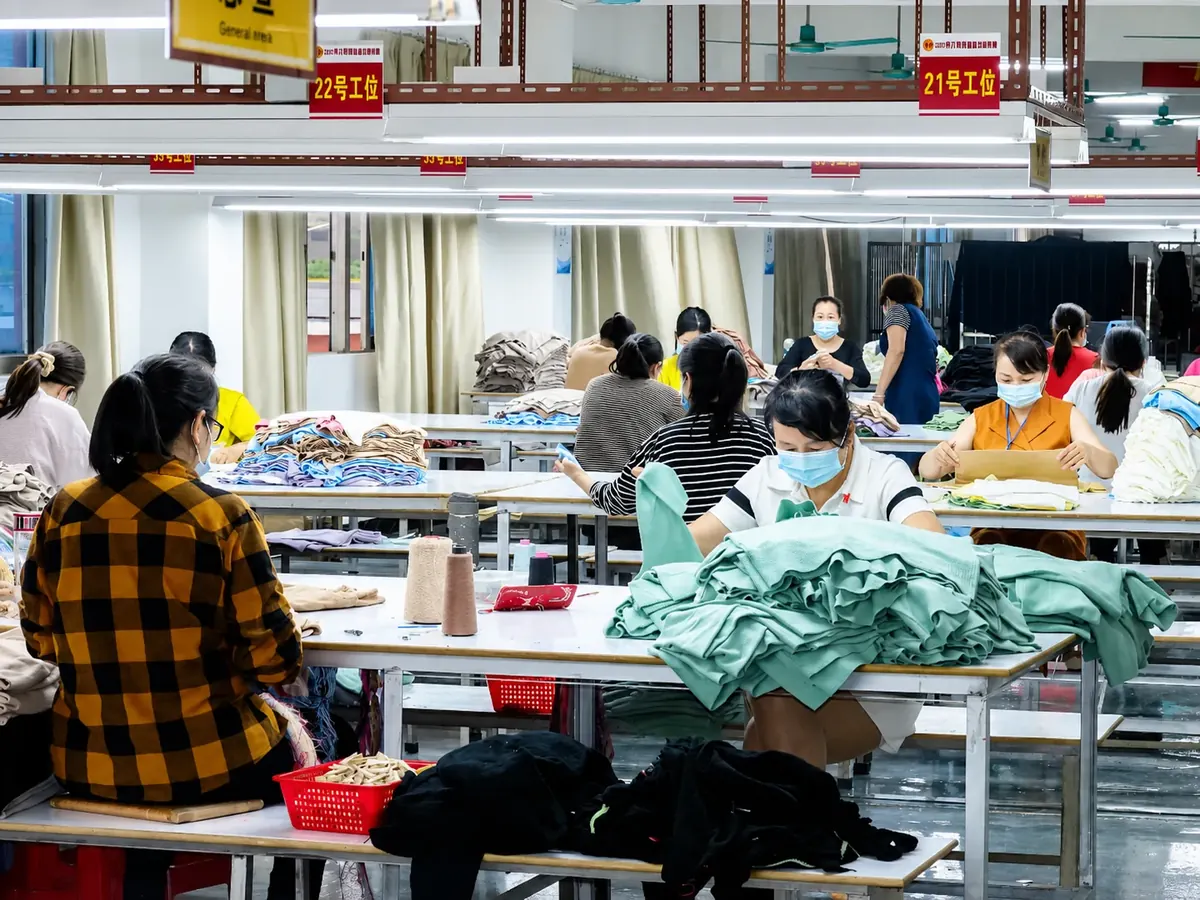
Do not accept “80% in production” without the denominator. It might mean panels knitted, garments assembled or cartons packed. For a sweater, panel output is not finished-garment output: linking, washing, conditioning, measurement, repair, inspection and packing may still remain. Define the unit used at each stage and reconcile it to the PO’s style-color-size quantities.
Plan changes without hiding the cost
A late yarn change, additional color, revised artwork, new label, delayed comment or added special finish can change the resource requirement. When a change is requested, compare the existing reservation with the revised route: which material, setup, machine, labor, external process, quality or freight milestone moves? Record the new estimated date and commercial effect before agreeing the change.
If capacity must be shared between an urgent order and a planned order, decide whether to move the date, split a shipment, substitute an approved process or decline the change. Never remove inspection, material identification or a production approval merely to preserve an optimistic date. A transparent no-go decision is more useful than a schedule that has no evidence behind it.
Buyer capacity-reservation checklist
- The target commercial event and delivery location are named.
- The reservation identifies style, colors, sizes, quantity, gauge, stitch and finish.
- Knitting and all downstream process windows are mapped separately.
- Material, sample, approval, PO and payment gates are visible.
- The record states whether the slot is tentative, funded or fully released.
- Expiry, cancellation exposure and change authority are written.
- External processors and inspection access are disclosed where relevant.
- Updates compare actual progress with the original baseline.
- Stage quantities use a clear denominator and reconcile to the PO.
- Any schedule change has an owner, evidence and revised decision date.
Yushengda can review a proposed custom knitwear programme for confirmed capacity and material feasibility after receiving the style, quantity, colors, gauge, finish, target date and destination. Its published sampling and bulk ranges do not reserve a production slot by themselves. Use the time-and-action calendar, production-status guide and rush-order guide, or send your tech pack, quantity, delivery event and approval calendar for an order-specific review.
Primary reference: International Labour Organization, Promoting Decent Work in the Garment Sector, for context on purchasing practices and the importance of adequate lead time. It does not prescribe a sweater factory reservation format. Competitor pages were reviewed only for current buyer questions and coverage gaps; no wording, figures, policies, images or examples were reused.