You can use photos to approve visible, measurable details such as artwork position, label wording or an identified correction when the image method and scale are controlled. Do not use photos alone to approve true color, hand feel, weight, stretch, recovery, fit, inside construction or performance. For bulk release, define exactly what the remote evidence closes and courier a production-intended physical sample whenever the unresolved risk can change saleability.
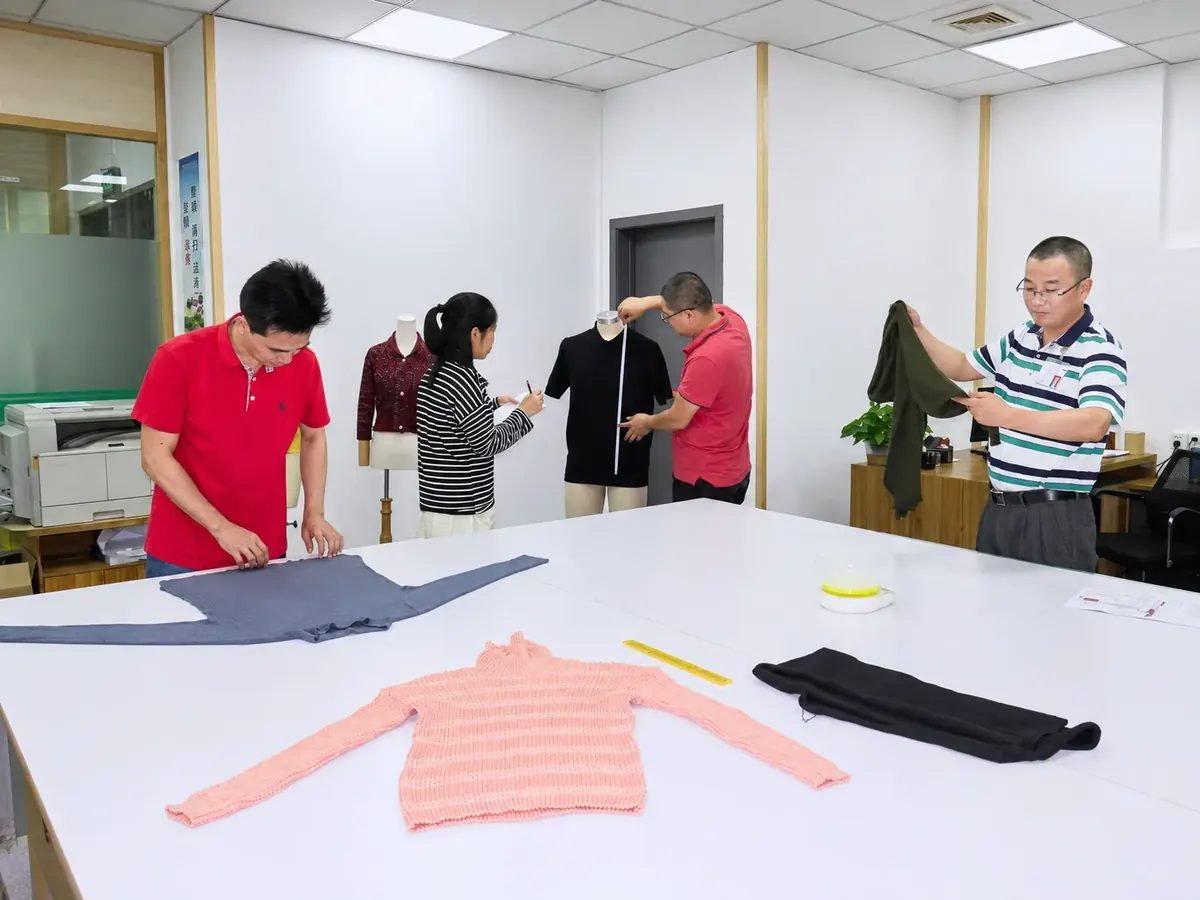
Approve characteristics, not “the photos”
Start with the sample stage, style, color, size, revision and unique sample ID. Then list each decision: silhouette, measurements, yarn, stitch, color, finish, motif, linking, trim, labels, packaging and tests. Mark every line approved, rejected or open and identify the evidence used.
A message saying “looks good” can be interpreted as full approval even when the buyer only reviewed a logo. Write “artwork placement approved from photo; color, hand, measurements and construction remain open.” Bulk authority should reference a controlled approval record, not the most recent chat reaction.
| Characteristic | Photo/video can support | Additional evidence normally needed |
|---|---|---|
| Artwork/placement | Position, scale and visible orientation | Measured dimensions and approved file |
| Measurements | Method demonstration and displayed reading | Complete signed measurement table |
| Color | Direction, distribution and obvious difference | Controlled physical standard/viewing |
| Fit/drape | Front, back, side and movement clues | Known body/form and physical review |
| Hand/weight | Surface appearance only | Physical sample and measured weight |
| Performance | Test setup documentation | Defined method, results and traceability |
Create a repeatable capture set
Photograph the identity tag first. Capture front, back, both sides, inside, neckline, shoulders, armholes, seams, ribs, trims, labels, artwork and every known issue. Use the same orientation and distance for revisions. Include a scale in the same plane as the feature; perspective can make a correct ruler look misleading.
Lay the sweater relaxed on a neutral, flat background without pulling it into shape. Add a form or wearer view when fit is relevant, recording body or form measurements and sample size. Use short video for zipper operation, stretch direction, recovery observation, movement and a complete 360-degree view, but retain still images for precise comments.
Do not treat the camera as a color instrument
Cameras and phones change exposure, white balance, contrast, saturation, sharpening and compression. Screens then add their own brightness, calibration and ambient-light differences. A familiar color card in frame can help diagnose gross capture problems, but it does not turn an uncontrolled phone image into a production color standard.
Use an identified physical master, approved yarn submit, knit-down or finished garment under agreed viewing conditions. Pantone notes that colors can appear different under different light sources and that consistent simulated lighting helps reveal metamerism. ISO 3664:2025 likewise defines controlled viewing conditions for critical comparison of images and reference objects, although it is a graphic-technology standard—not a textile approval method.
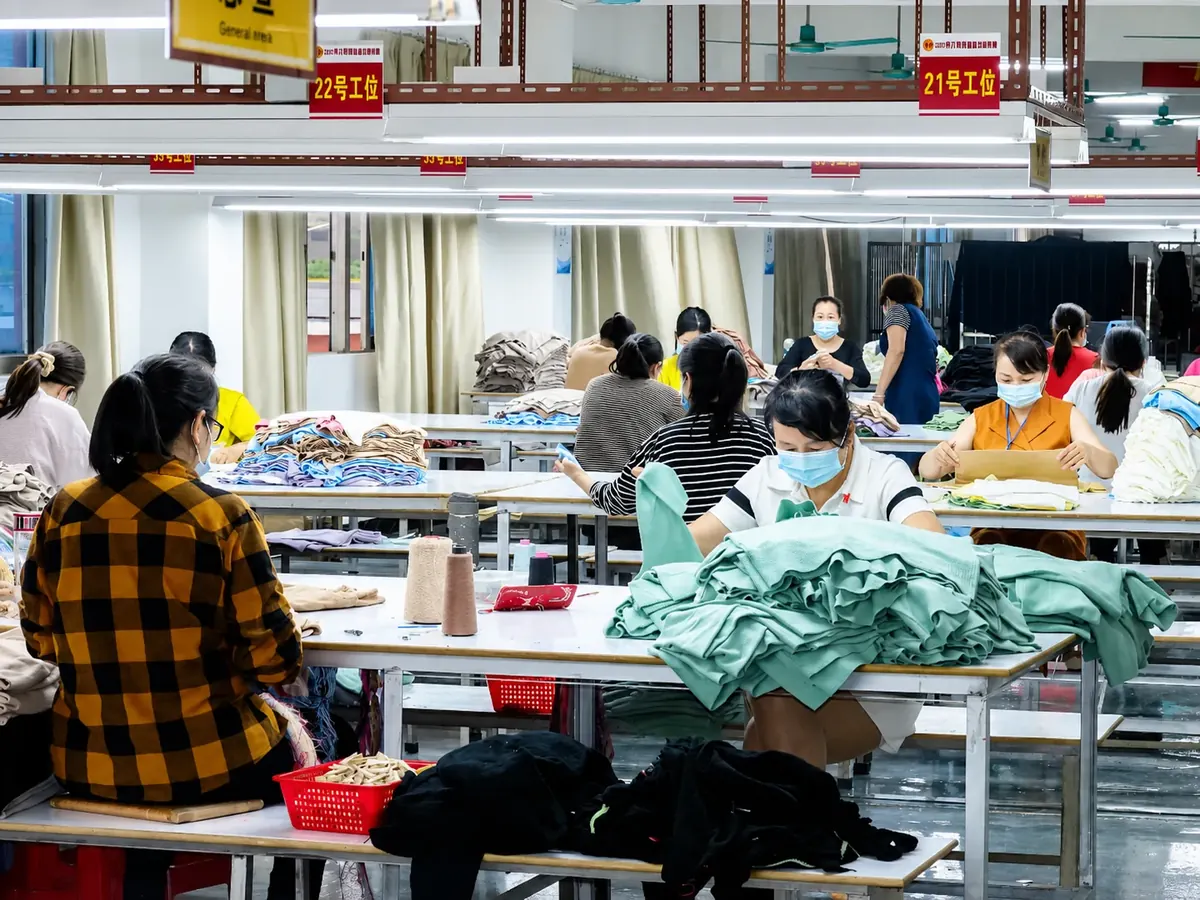
Measure on video without confusing demonstration and result
A useful clip shows conditioning status, garment orientation, point-of-measure start and end, tape placement and reading without cuts. It can reveal a method mismatch quickly. The controlled result should still be recorded for every required POM in a table with tolerance, actual value, sample identity, date and measurer.
Do not approve fit from flat measurements alone. Shoulder angle, armhole shape, sleeve pitch, balance, neckline behavior, drape and rib tension interact on a body. If the buyer cannot receive the garment, use a qualified local technical reviewer or nominated service and document the wearer or form; state the remaining limitation.
Separate visible surface from physical hand
Close-ups can show stitch definition, pilling, fuzz, spray distribution or a hard wash mark. They cannot transmit softness, thickness, warmth, noise, surface friction or the force needed to stretch and recover. Descriptions such as “very soft” remain subjective unless linked to an approved physical reference or defined test.
For washed, brushed, cashmere-rich or specialty-finished sweaters, courier the production-intended sample when hand feel is a primary selling feature. If timing requires a provisional photo decision, limit it to visible appearance and keep material/finish approval open.
Use tests for claims and performance
A video of one wash, pull or rub is not a standard test result. Define specimen, conditioning, method, equipment, cycles, load, assessment and acceptance rule for shrinkage, colorfastness, pilling, seam strength or another requirement. Link the report to the exact sample, yarn, color and finish.
Photos may document before/after appearance and help interpret a report. They cannot prove fiber composition, chemical compliance, colorfastness or lot-wide conformity. A certificate screenshot without full identity and scope is similarly incomplete.
Choose a risk-based approval route
Photo-only closure may be reasonable for a typo correction, hangtag position, visible label orientation or another low-risk feature when the governing specification is clear. Require physical review for first-time yarns, critical color matches, fit-changing revisions, complex structures, hand-sensitive finishes, functional trims or significant deviations.
For repeat orders, confirm whether yarn lot, supplier, program, measurements, trims and finish are truly unchanged. A retained reference can reduce development work, but a new lot or process change can invalidate the old photo comparison.
Keep one remote-approval record
Store the sample ID, capture date, file names, tech-pack revision, reviewer, decision per characteristic, comments, open items and next evidence. Number arrows and comments so the factory can answer each one. Preserve original files rather than edited screenshots alone.
If a photo reveals a change, update the tech pack, BOM or measurement chart before the next sample. Do not let the image become an undocumented alternative specification. Once complete, identify the sealed physical reference held by the factory and any buyer duplicate.
Buyer remote-approval checklist
- Sample stage, style, size, color and revision are visible.
- Each characteristic has its own decision and evidence.
- Views cover front, back, sides, inside and details.
- Scale and measurement methods avoid perspective errors.
- Color is tied to a physical master and viewing conditions.
- Fit uses a known body or form, not a hanger alone.
- Hand, weight, stretch and recovery are not inferred visually.
- Performance relies on defined tests, not demonstration video.
- Open risks remain open instead of becoming bulk approval.
- Comments update the controlled production documents.
Yushengda's confirmed sampling time is normally 7–15 working days, subject to the project. The factory develops wool, cotton, acrylic, viscose, cashmere and blended knitwear across 3GG–16GG. Use the sample approval checklist, the sealed-sample guide, or send your tech pack, sample stage, yarn, finish and deadline for a development discussion.
Primary references: Pantone, consistent lighting for color evaluation; ISO, ISO 3664:2025 viewing conditions. These sources support controlled visual comparison; neither proves textile fit, hand or performance. Competitor articles were reviewed only for workflow gaps; no tolerances, schedules, cases, images or wording were reused.