Approve cardigan buttons and buttonholes on a finished garment, not from a trim card alone. Lock the button identity, buttonhole construction, placket reinforcement, spacing and operating behavior after the intended wash or finish. Then inspect the first bulk garments and representative production units against that reference. Do not copy a universal pull-force or buttonhole tolerance from another product; the right requirement depends on age group, market, button, knit, construction and buyer standard.
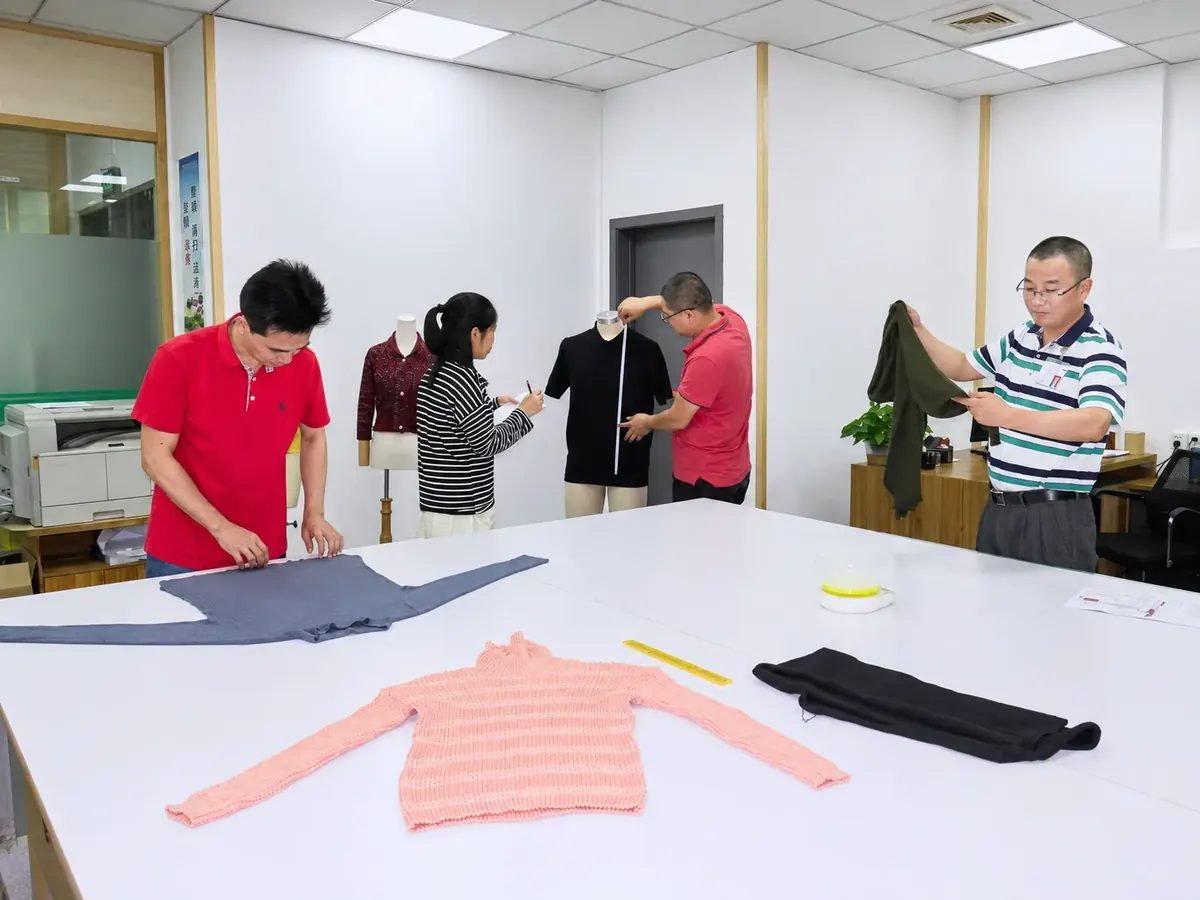
Approve the closure as one system
A button can be the correct color and still fail the cardigan. The buttonhole may stretch, the placket may roll, stitches may snag, the button may pull the front edge out of balance, or the closure may become difficult to operate after washing. Review the button, buttonhole, placket, yarn, reinforcement, stitch density and finish together.
For each style and size, identify button material, diameter, thickness, weight, finish, supplier code, color, hole count or shank, thread or attachment method, spare-button policy and position. Then define the buttonhole orientation, construction, placement landmarks and any support material. “Match sample” is incomplete if the final sample used a different button or unfinished placket.
Use a finished-garment approval record
| Control point | What to approve | What to inspect in bulk |
|---|---|---|
| Button identity | Code, dimensions, finish and attachment method | Correct component, no cracks, chips or sharp edges |
| Buttonhole | Type, orientation, position and usable opening | Clean edge, no unraveling, snagging or excessive gaping |
| Placket | Width, stability, overlap and reinforcement route | Balanced fronts, no twisting, waving or distortion |
| Operation | Insertion, release and closed appearance after finish | Consistent operation across sampled units and sizes |
| Wear and care | Relevant stretch, handling and care review | Damage, loose attachment or changed alignment after route |
Check location and size behavior
Mark every button and buttonhole from stable construction points: high-point shoulder, neckline edge, hem, center front or placket edge. State spacing and intended overlap rather than relying on a photograph. For graded styles, check whether the same spacing, number of buttons and placement logic remain visually balanced across sizes. A sample in one size can hide a button landing at an awkward bust, hem or neckline position in another.
Test the approved button through the actual buttonhole after the intended wash, drying, pressing and conditioning route. Inspect open and closed garment fronts on a flat surface and on body where fit matters. Note whether operation creates yarn snagging, a stretched opening, a pulled placket or a visible gap. If the button, yarn, density or finishing changes, review the system again.
Set proportionate security and safety controls
Define the applicable customer, destination and age-group requirement before choosing a test method or acceptance rule. The U.S. CPSC explains that children’s products intended for under-threes that present a small-part choking, aspiration or ingestion hazard are regulated as banned hazardous substances; product classification and applicable exceptions must be determined from the actual product. That does not create a blanket button rule for every cardigan or market.
For adult products, functional attachment and garment damage may be the primary concern. For children’s products, consult the applicable legal, retailer and laboratory requirements early. Do not claim compliance from a supplier statement, a generic pull test or a button that stayed attached to one sample. Use a qualified laboratory when a formal test is required, and retain the exact test method, sample identity and result.
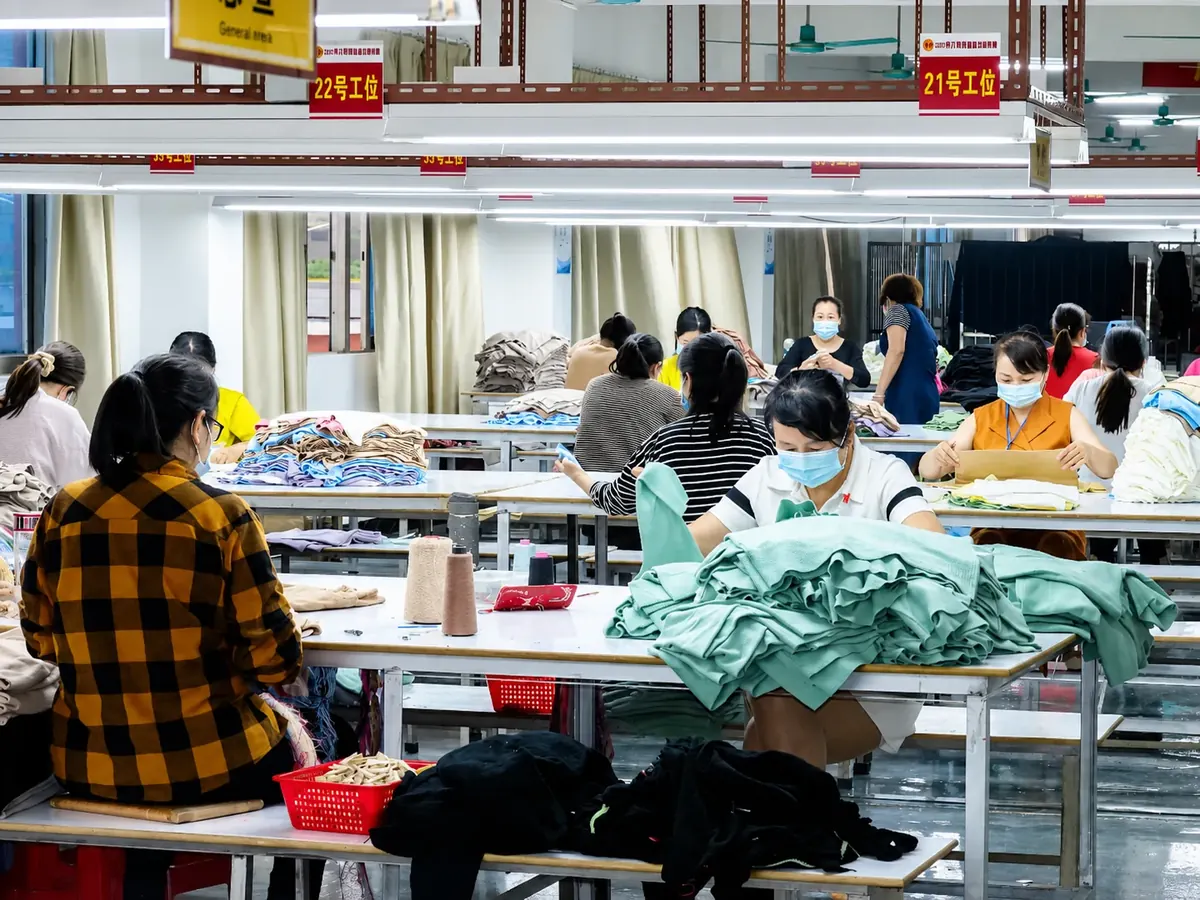
Inspect first bulk and final samples
Before full release, compare first production garments to the sealed approval reference: button sequence, spacing, orientation, attachment, buttonhole edge, placket width, front balance and operation. Sample across sizes, colors, operators and production timing. If one closure route uses an outside processor, identify that handoff and retain traceability.
When a defect appears, separate the symptom from the cause. A button that comes loose can involve thread tension, stitch count, shank choice, placket density, post-wash shrinkage or damage during packing. A buttonhole that gaps can involve size, orientation, reinforcement, knit recovery or garment tension. Hold the affected group, record evidence and approve rework only after a representative repair is reviewed.
Buyer cardigan-closure checklist
- Button identity and attachment method are controlled.
- Buttonholes and placket route are shown on the tech pack.
- Placement uses stable garment landmarks.
- Closure operates after the intended finishing route.
- All size behavior and visual balance are reviewed.
- Buyer, market and age-group safety requirements are defined.
- Formal testing uses the required method and qualified provider where needed.
- First bulk garments are compared with the sealed reference.
- Final inspection samples closures across sizes and production sequence.
- Defects have hold, rework and verification owners.
Yushengda can coordinate buyer-approved buttons, buttonholes and packing specifications for confirmed custom knitwear projects, subject to the final style and market requirements. This article does not claim a current testing capability or compliance result. Use the trims approval guide, third-party inspection guide and children’s product safety guide, or send the cardigan tech pack, target market and closure requirement for project-specific coordination.
Primary reference: U.S. Consumer Product Safety Commission, Small Parts Ban and Choking Hazard Labeling, for U.S. children’s-product small-parts context. Confirm current official rules and retailer requirements for the actual product and market. Competitor pages were reviewed only for buyer questions and content gaps; no wording, images, data, cases or claims were reused.