Specify custom sweater colorfastness by exposure, method, specimen stage and acceptance criterion—not with the word “colorfast.” At minimum, assess whether the product can change color or stain other materials during its expected laundering and use. Dark shades, contrast panels and surface-applied specialty finishes may justify separate wash, dry-rub and wet-rub requirements before bulk shipment.
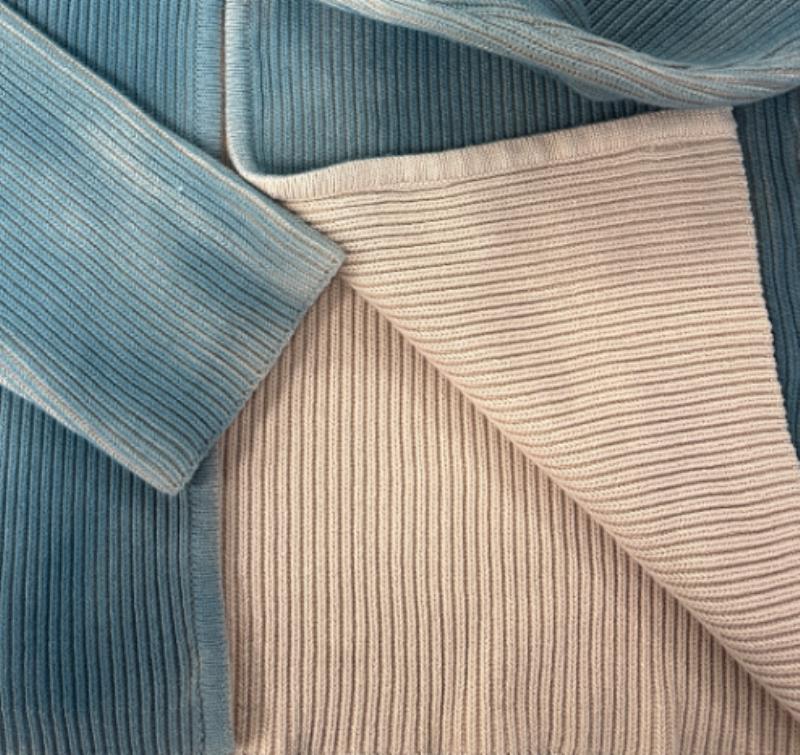
Color matching and colorfastness answer different questions
Color matching asks whether the sample or bulk lot visually matches an approved standard under agreed viewing conditions. Colorfastness asks how color behaves after a defined exposure such as washing, rubbing, water, perspiration, light or dry cleaning. A garment can match the approved shade and still transfer color, or show acceptable fastness while missing the target hue.
Keep both requirements in the purchase specification. Identify the physical or digital color reference and any approved lot-to-lot variation separately from the performance methods. For deliberately vintage, washed, sprayed or mottled products, define the intended visual variation without turning every transfer or uncontrolled fade into an acceptable “effect.”
Choose tests from the product’s real exposure
Start with fiber, color depth, dye or finish route, garment construction, end use, care label and destination-market requirements. A dark outerwear-style cardigan that rubs against pale garments presents a different risk from a light dry-clean-only sweater. A baby product, next-to-skin item or performance layer may require additional testing selected by qualified compliance and laboratory specialists.
Common buyer questions include: Will the sweater lose color in laundering? Will one color stain another panel or a pale trim? Can pigment or surface color rub onto upholstery, bags or the wearer? Will moisture make transfer worse? Each question maps to a specific exposure. One test result should not be treated as proof of every type of fastness.
Understand wash fastness reporting
ISO 105-C06:2010 specifies methods for determining resistance of textile color to domestic or commercial laundering using a reference detergent. The method selection matters because temperature, detergent, bleach system and mechanical action affect the challenge. The ISO abstract notes that its multiple tests can be more severe than single tests because mechanical action increases.
Wash testing can evaluate the specimen’s own color change and staining of an adjacent material. Those are separate outcomes: a navy sweater may retain much of its apparent shade yet stain a pale adjacent fiber. The buyer should name the selected procedure and minimum ratings for the relevant results, based on brand policy and qualified laboratory advice rather than copying a number from another product.
Test dry and wet rubbing separately
ISO 105-X12:2016 specifies a method for determining resistance to rubbing off and staining other materials. It allows a dry rubbing cloth test and a wet rubbing cloth test. Wet and dry outcomes must be reported separately; passing one does not imply passing the other.
Rubbing risk deserves attention on deep shades, brushed or hairy surfaces, pigments and color applied near cuffs, underarms, side seams or other contact areas. For spray-dyed, airbrushed or intentionally distressed knitwear, select representative high-color and transition areas rather than testing only the palest, most convenient location. The laboratory should follow the named method for specimen selection and evaluation.

Build a color-risk matrix before sampling
List every body color, contrast yarn, rib, embroidery, patch, zipper tape, label and specialty-finished area. Mark pale-dark contact points and places likely to become damp or experience friction. Decide which combinations need development screening and which need independent laboratory verification.
For a multi-color garment, testing only one yarn cone may miss transfer created after linking, washing or finishing. Conversely, testing every possible component at every stage may add cost without improving the decision. Use risk to select representative worst-case colors and finished-garment areas, then document why they represent the range.
Lock the specimen stage and approval route
State whether testing applies to yarn, knitted swatch, development sample, pre-production sample or bulk garment. Early screening can identify a weak route before bulk, but the finished product is the best representation when garment washing, softening, spraying or other processing can change the surface.
Record the sample identity, color, material lot, finish revision and test date. If a failed result leads to changed dyestuff, fixation, washing or finishing, repeat the relevant approval; do not attach the old report to a materially different product. Keep the report connected to the approved sample and purchase-order version.
Write a complete acceptance statement
A usable specification includes the standard and edition, exact procedure where the standard offers alternatives, sample stage, colors or areas tested, conditioning or preparation, rating components, minimum result, laboratory responsibility, timing and response to failure. Confirm whether buyer requirements use ISO, AATCC or another system; results from different methods should not be compared as if the conditions were identical.
Avoid promising a universal grade for all colors and finishes without development evidence. Intentional fading also needs boundaries: state what appearance change is desired while setting limits for unacceptable staining or transfer. Care-label instructions should align with the tested product and applicable market review.
Verify bulk without relying on appearance alone
During production, control yarn or material lots and approved finishing instructions. Inspect shade and surface consistency under defined conditions, but remember that a clean-looking garment cannot prove future wash or rubbing performance. If bulk laboratory testing is required, agree how samples are selected across colors, lots and finishes before packing.
Yushengda supports customer-nominated third-party inspection. Buyers should issue the test protocol and acceptance rules early enough for results to inform shipment. Sampling time is normally 7–15 working days and bulk production normally 25–45 days after deposit, subject to the confirmed yarn, finish, approvals, testing and order details.
Buyer colorfastness checklist
- Separate shade matching from colorfastness performance.
- Map color, trim, moisture and friction risks by garment area.
- Select tests from end use and care instructions.
- Name exact wash and dry/wet rubbing procedures.
- Define color change and staining criteria separately.
- Identify specimen stage, color, lot and finish revision.
- Retest after a material or process change that affects color.
- Plan representative bulk sampling before shipment.
Review the spray-dyed color-consistency guide, the sample approval checklist, or send your colors, finish and destination requirements for a project-specific testing discussion.
Technical references: ISO 105-C06:2010 for laundering colorfastness and ISO 105-X12:2016 for rubbing colorfastness. This article summarizes their public scope; laboratories and buyers must use the full selected methods and agreed acceptance criteria.