Choose a factory, trading company or sourcing agent for custom sweaters by matching the model to the responsibility you need—not by assuming that “direct” is always better. Before sampling, name the legal seller and the accountable owner for development, yarn, knitting, finishing, quality release, export documents and corrective action. A transparent route with written control points is usually more useful than a lower-looking quote from an unclear route.
There is no automatic winner
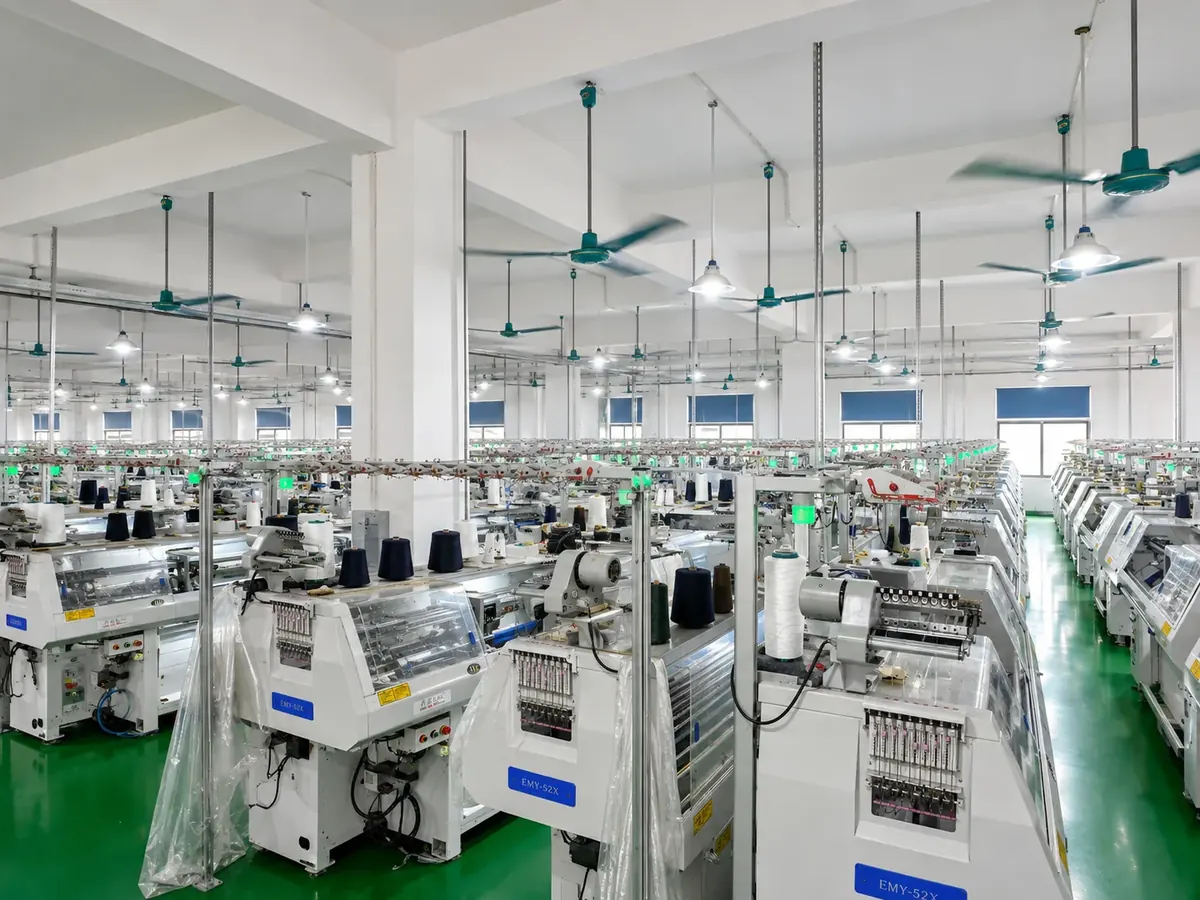
A factory may knit, link, assemble and inspect the garment itself, while obtaining yarn, washing, embroidery, testing or packing from specialist partners. A trading company may sell through one production site or coordinate several sites. A sourcing agent may work for the buyer, the supplier, or under a separate fee agreement. These labels describe a commercial model, not a guarantee of price, technical depth, ethical performance or delivery reliability.
The OECD describes garment supply chains as multi-tiered and decentralised, with direct suppliers, intermediaries and subcontracted processes all common. That is why a buyer needs visibility of the actual route and business relationships rather than a simple category label. Ask what will happen to this sweater style, at each stage, once an order is placed.
Start with an accountability map
Ask every candidate to complete the same responsibility map before comparing quotations. The commercial party, producing party and exporter may be different legal entities. That can be workable, but it should be visible before payment, production approval or shipment booking.
| Decision area | Question to document | Evidence to request |
|---|---|---|
| Contract and invoice | Which legal entity quotes, signs, invoices and receives payment? | Legal name, address, bank details and named commercial contact |
| Development | Who converts the tech pack into yarn, gauge, stitch and sample instructions? | Named developer, controlled sample revision and comment record |
| Production | Which site performs knitting, linking, washing, finishing and packing? | Process map, site addresses and disclosed external partners |
| Materials | Who buys, approves and releases yarn, trims and substitute requests? | Bill of materials, supplier/lot records where relevant and approval route |
| Quality and rework | Who can hold goods, investigate defects and fund agreed corrective action? | Quality plan, inspection access and escalation contacts |
| Export and claims | Who prepares the agreed commercial documents and owns shipment exceptions? | Incoterm, exporter details, document owner and claims process |
Keep the answer specific. “We handle everything” is not a map. It does not identify the operating site, handoff point, approval authority or remedy if a yarn substitute, color difference or missed date occurs.
When a direct factory relationship can fit
A direct factory relationship can suit a buyer with one well-defined knitwear route who wants fast technical conversations with the people making the sample and bulk garment. It can also simplify communication when the same party clearly controls development, production release and quality response. Direct does not mean every process is in-house; a capable knitwear supplier may legitimately use approved outside washing, testing or packing.
For this model, verify the proposed style rather than a broad capability claim. Compare yarn type, gauge, stitch structure, linking, wash or spray finish, trims, quantity and lead-time assumptions against a representative sample. Ask which steps are external and how the factory transfers the approved sample, color standard and quality points to those partners. A factory tour or video call is supporting evidence, not a substitute for a controlled sample and order controls.
When a trading company can fit
A trading company can be useful when a buyer needs several categories, specialist processes, consolidated communication or a seller that coordinates a wider route. Its value depends on whether it can make the route transparent and manage it responsibly—not on its title. A trader should be able to identify the actual production sites, explain why they are used, and show how buyer comments, approved materials, inspection findings and changes reach each site.
Do not assume the factory quote must always be lower. A lower price can omit a required process, different yarn basis, inspection support, packing work, document task or risk allowance. Compare like-for-like scope: product specification, quantity, color count, sample status, packaging, quality standard, Incoterm, freight treatment and change control. Then ask who has authority to resolve a bulk issue and whether the trader’s remedy is written into the contract.
When a sourcing agent can fit
An agent can add buyer-side coordination when the brand lacks local technical resources, wants to screen multiple suppliers or needs independent follow-up across factories. But independence is a matter of agreement and conduct, not the word “agent.” State who pays the fee, whether a supplier commission exists, what information is disclosed, whether the agent can place orders or approve changes, and what conflicts of interest are prohibited or managed.
An agent should not become an invisible layer between the buyer and production facts. Keep direct access to the current specification, sample revisions, invoice entity, final inspection record and named production contacts appropriate to the project. If confidentiality or intellectual-property controls matter, include them in the written agreement and use professional legal advice for the buyer’s jurisdiction.
Test the model on one pilot order
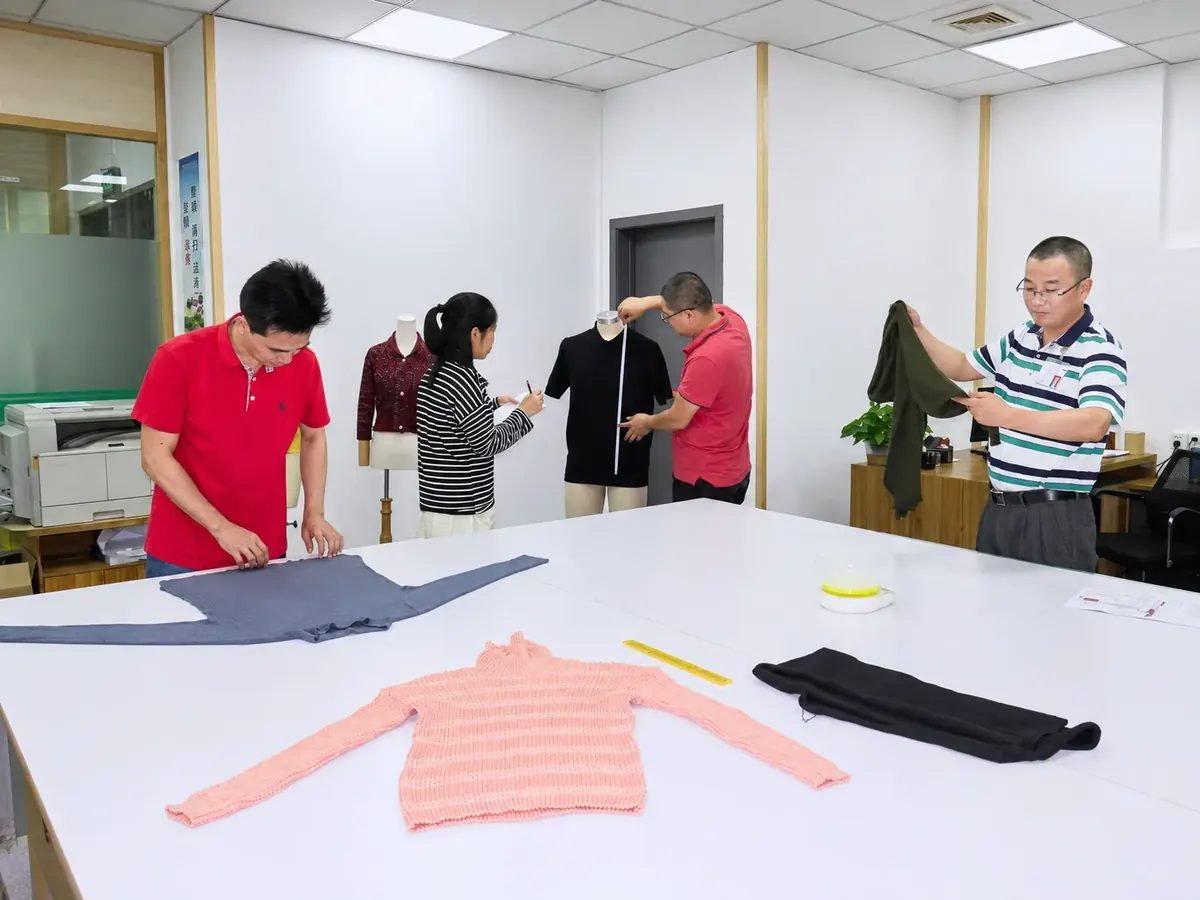
Before a larger commitment, use a real style as a controlled pilot. Give every candidate the same technical brief and ask for its process map, quotation assumptions, sample plan, timeline, approvals and exception route. Observe whether it identifies missing information, raises a feasible yarn or construction question, records buyer comments accurately and discloses subcontracted work early.
During sampling, record the version of the tech pack, sample comments, accepted reference, measurement points, yarn decision and any approved change. During bulk, require a pre-production confirmation, material approval route, inspection plan and escalation path. The goal is not to eliminate every external party; it is to ensure that responsibility does not disappear between them.
Questions that expose avoidable risk
- Which legal entity will sign the PO, invoice and receive payment?
- Which named site makes each process, and which processes are external?
- Who is allowed to approve a yarn, color, construction or packaging change?
- Who owns the approved sample and current production revision?
- Who may place goods on hold after an inspection finding?
- Who pays for agreed rework, replacement or document correction?
- Which party is the exporter under the agreed Incoterm?
- How will the buyer be told before an external process or site changes?
- What record proves cartons, quantity and style-color-size assortments are reconciled?
- What is the named escalation contact if the delivery plan changes?
Yushengda can discuss its confirmed role and production route for a proposed custom knitwear project, including the agreed specification, sampling, quality and packing steps. It should not be inferred from this article that every process is in-house or that an order is approved without a project-specific review. Use the manufacturer capability guide, supplier scorecard and remote video-audit guide, or send your tech pack, target quantity, destination and required responsibility map for a practical sourcing discussion.
Primary reference: OECD, Due Diligence Essentials for Responsible Garment and Footwear, on varied enterprise types, intermediaries and multi-tiered sourcing models in the sector. It is not a commercial or legal template; confirm contract, customs and compliance obligations with qualified advisers for the relevant market. Competitor pages were reviewed only to identify buyer questions and coverage gaps; no wording, images, scores, examples or claims were reused.