Prevent sweater linking seams from opening by approving the exact panel edge, joining method, linking yarn, stitch path and extension behavior for each seam location. Inspect the join relaxed and stretched, then repeat after the intended finishing and care route. A neat seam lying flat can still fail in wear if skipped loops, restricted extension, weak yarn or poor securing is hidden inside.
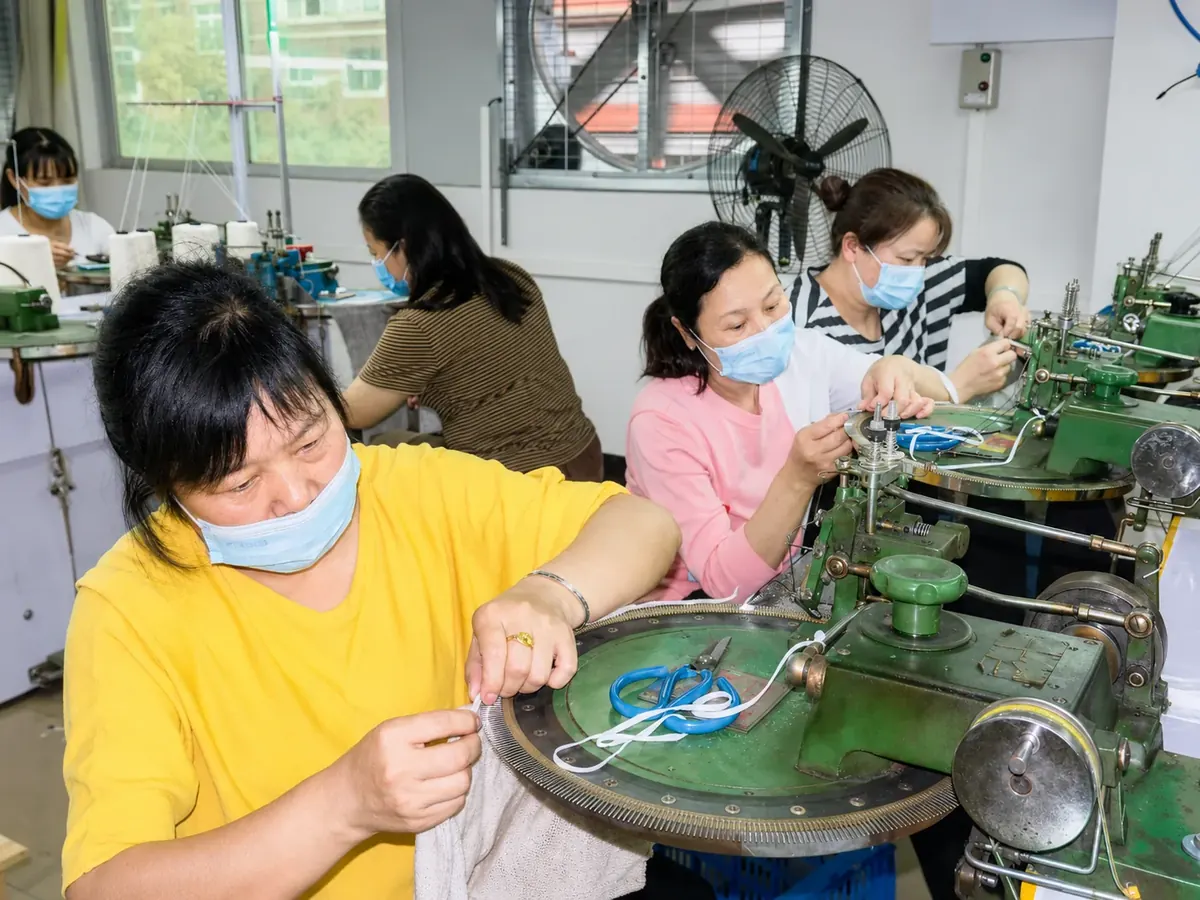
Define the failure before choosing a test
“Weak seam” can describe different defects. Seam grin is excessive opening that exposes the joining yarn or interior. A skipped loop can create a local hole or ladder. Linking-yarn breakage can release the join, while a panel yarn may break beside an intact seam. Puckering and a hard ridge are appearance or comfort failures even when the seam remains closed.
Classify the observed mode, location and use condition. Necklines need sufficient opening for dressing; armholes and underarms experience movement; shoulder seams may need shape stability; side seams should extend compatibly with the body. One pass/fail pull cannot represent every location.
| Failure mode | What the buyer sees | Control question |
|---|---|---|
| Skipped/missed loop | Hole, loose loop or ladder near join | Were all edge loops captured? |
| Seam grin | Join opens visibly under normal extension | Does stitch density and tension suit the structure? |
| Joining-yarn break | Seam releases while panels remain intact | Is yarn type, strength and elongation appropriate? |
| Panel break | Fabric tears beside the seam | Was a weak or damaged panel edge joined? |
| Puckering/ridge | Wavy, tight or bulky join | Is seam take-up compatible with both panels? |
Lock the panel construction and seam map
Mark every join on the tech pack: shoulder, neckband, armhole, sleeve, side seam, cuff, placket, pocket and hood where applicable. State whether panels are fully fashioned and linked loop-to-loop, joined with another knitwear seam, or cut and sewn. Do not use “linked sweater” as a complete construction instruction.
Approve edge preparation, seam allowance where relevant, reinforcement or tape, start and end securing, thread or yarn ends and the required inside appearance. For patterned panels, define alignment at cables, ribs, stripes, jacquard or fashioning marks. A strong misaligned seam is still commercially wrong.
Match the joining yarn to the garment
The joining yarn must work with the body yarn, gauge, color, finish and required extension. Body yarn may be appropriate for some joins, while another controlled yarn may be needed elsewhere. Any substitute should be documented by composition or reference, count or size, color and intended seam location.
Check the join after washing, softening, brushing, dyeing or specialty finishing. A yarn that looks matched before finishing can reveal shade, shrinkage, stiffness or surface differences afterward. Do not approve an invisible dry seam and assume it remains invisible after the production route.
Approve extension, not just relaxed appearance
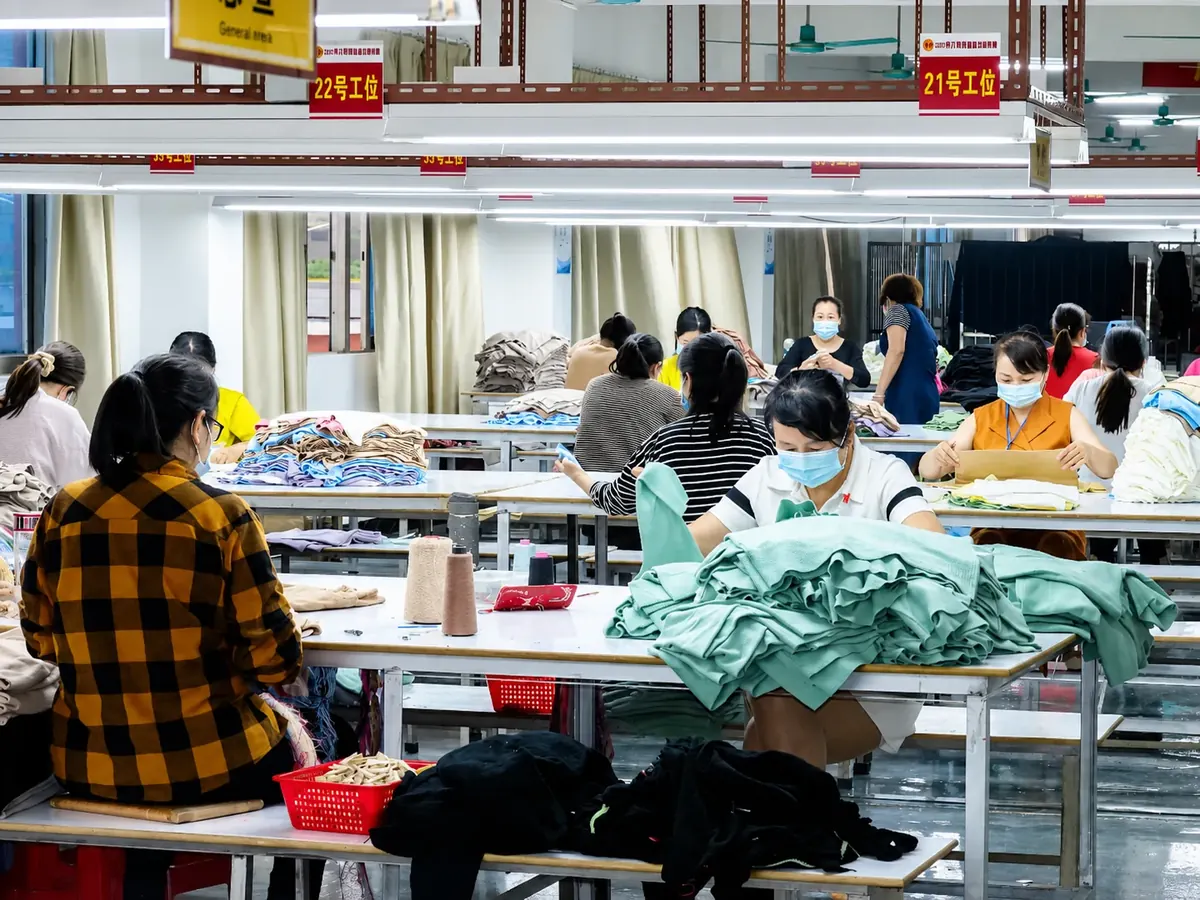
Compare the extension of the joined area with the adjacent knitted structure and the product's use. Stretch gradually in the relevant direction and observe whether the seam becomes the rigid element, exposes excessive joining yarn, cuts into panel loops or fails to recover. Record the method, extension or force basis, dwell, cycles and acceptance rule.
A casual hand pull can screen workmanship during production, but it is operator-dependent. Where seam durability is a material product risk, ask a qualified laboratory to select or develop an appropriate repeatable procedure for the exact garment construction. Do not copy a force value from a different fiber, gauge, seam type or wearer use.
Keep fabric bursting and seam performance separate
ISO 13938-2:2019 describes a pneumatic method for bursting strength and distension of fabrics and is applicable to knitted, woven, nonwoven and laminated materials. That can help characterize the knitted material, particularly where multidirectional stress matters.
However, a fabric bursting result does not automatically approve a linked garment seam. The diaphragm, specimen arrangement and recorded failure concern the test method's defined fabric specimen. If a lab applies or adapts a method to a seam or complete product, the report must clearly identify the specimen, orientation, seam placement, deviation and failure mode.
Check early production before defects multiply
Approve first joined garments for every important yarn, gauge, color and construction route. Inspect inside and outside under good light, then perform the agreed extension checks. Look for repeated missed loops, needle damage at edges, inconsistent take-up, unsecured starts or ends and operator-to-operator appearance changes.
Trace findings to panel batch, linking operation, operator or machine where practical. A single repair can correct one garment, but repeated grin or edge breakage may require panel, yarn, stitch or process correction before more units are joined.
Recheck after finishing and consumer care
Washing and drying can relax panels, tighten a joining yarn, expose puckering or change seam bulk. Evaluate the production-intended finished sample and representative bulk after conditioning. Include the proposed care cycle when the consumer-use risk justifies it, especially for close neck openings or fitted structures.
Record whether repair is allowed and how it is judged. Closing a hole with visible mending, cutting a loose loop or pulling yarn into the seam can create a new weakness or appearance difference. Define acceptable repair boundaries before final inspection rather than deciding carton by carton.
Buyer linking-seam checklist
- Every seam location and joining method is mapped.
- Panel edges and pattern alignment are approved.
- Joining yarn and permitted substitutes are identified.
- Starts, ends and reinforcement are specified.
- Relaxed appearance and use-direction extension are checked.
- Failure modes are recorded, not summarized as “weak.”
- Tests name the specimen, method and acceptance rule.
- Fabric bursting is not treated as automatic seam approval.
- Early bulk and post-finish garments are verified.
- Repair limits and reinspection are agreed.
Yushengda develops custom knitwear in wool, cotton, acrylic, viscose, cashmere and blends across 3GG–16GG, subject to the project. Use the workmanship defect guide, the AQL inspection guide, or send your seam map, yarn, gauge, sample reference and quantity for an RFQ discussion.
Primary reference: ISO 13938-2:2019, Textiles — Bursting properties of fabrics — Part 2. Current competitor linking and sweater-QC articles were reviewed only for topic coverage and content gaps; their numeric claims, proprietary methods, images and wording are not used.