Sweater pilling risk cannot be eliminated by one finish or a vague request for “anti-pilling yarn.” Buyers can reduce it by defining the garment’s end use, selecting a suitable yarn-and-knit system, testing the finished sample with an agreed method, and confirming that bulk production matches the approved material and process. The realistic target is controlled performance—not a promise that no pill will ever form.
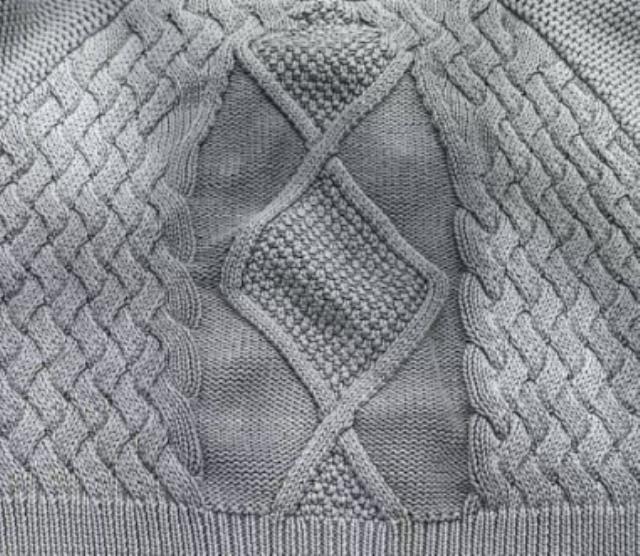
What causes a sweater to pill?
Pills form when fibers move to the fabric surface, become entangled and are rolled into small balls by rubbing. The Woolmark Company notes that abrasion during wear commonly concentrates pilling around elbows, underarms, sleeves, the belly and garment sides. That means performance depends on the complete product: fiber and yarn construction, knitted structure, surface finish, care and the friction created in actual use.
A visible pill is therefore not automatically proof of one isolated factory error. A very soft or hairy surface may offer the handfeel a designer wants while carrying more surface movement. A durable work sweater, a brushed fashion pullover and a fine next-to-skin layer should not all receive the same brief. Buyers first need to decide which balance of softness, appearance, price and wear performance fits the product.
Start with the wear scenario, not a fiber name
Tell the manufacturer whether the sweater is intended for frequent everyday wear, occasional fashion use, layering under outerwear or another specific context. Identify high-friction areas created by bags, jackets or garment shape. This gives yarn and construction discussions a real target. Simply specifying wool, cotton, acrylic, viscose, cashmere or a blend does not predict the finished result because fiber characteristics, yarn count, twist, ply and surface can vary within each category.
If pilling performance is commercially important, ask for the exact proposed yarn reference and approve substitutions separately. A substitute with the same fiber percentages may knit and wear differently. Compare finished swatches for surface hairiness, stitch clarity, weight, stretch, recovery and handfeel before deciding whether the alternative still supports the product promise.
Match yarn, gauge and stitch structure
Yarn does not perform independently from the knitted fabric. Gauge, stitch length, number of ends and structure affect how firmly fibers are held and how the surface meets friction. Loose, open or highly textured structures can behave differently from compact smooth knits. Cables, ribs, jacquard and brushed areas may also create different contact points across one garment.
Ask the factory to knit a representative swatch in the intended yarn, gauge and important stitch—not a convenient stock swatch. Finish it through the proposed washing, softening, brushing or pressing route. Then compare it with the design reference under consistent lighting. The objective is to approve the actual system that will be used, rather than assuming that a yarn supplier’s description applies to every construction.
Use a named test method and complete specification
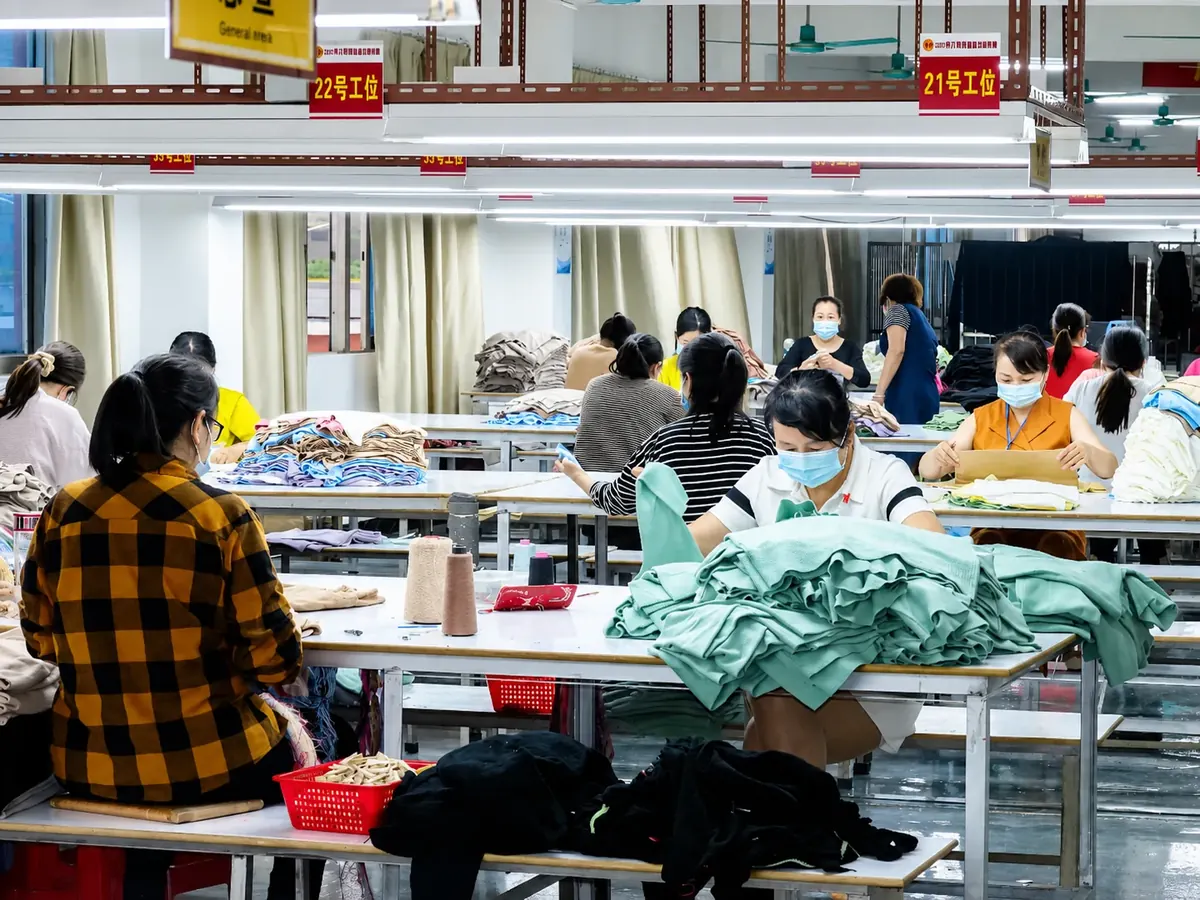
If a laboratory pilling requirement is needed, the buyer, supplier and testing provider should agree on the method, specimen preparation, test conditions, rating system and acceptance criterion. ISO 12945-1:2020, for example, specifies a rotating pilling-box method for determining resistance to pilling, fuzzing and matting. Other methods use different equipment and conditions, so results should not be compared as if every test were interchangeable.
Write the selected method and full requirement into the tech pack or quality specification. Avoid an unsupported line such as “anti-pilling grade 4” without identifying how that grade will be produced and evaluated. Decide who arranges testing, which sample is tested, whether the test is pre-production or bulk verification, and what happens if the result misses the agreed criterion. Testing requirements and destination-market obligations should be confirmed with the buyer’s qualified laboratory or compliance adviser.
Approve handfeel and performance together
A development team can unintentionally trade performance for an extremely soft surface, then treat the later result as a quality surprise. Review handfeel and pilling expectations in the same approval round. If additional softening or brushing is requested after testing, decide whether the changed finish needs to be tested again. The physical sample, finishing recipe and written performance requirement should describe one product, not three separate versions.
Wear trials can provide useful product-development observations, especially around underarms and side contact, but they are not a substitute for an agreed laboratory method when a formal claim or acceptance threshold is required. Record the garment, wearer context, duration and observations instead of presenting an informal trial as universal evidence.
Keep bulk production tied to the approved system
Before bulk, lock the yarn reference or approved substitute, gauge, stitch, finish and tested sample. During production, confirm that material lots and process settings follow those approvals. Final visual inspection can identify unusual fuzzing, inconsistent surface or contamination, but it cannot prove long-term wear performance from appearance alone. If the order risk justifies bulk testing, define the sampling and timing early enough for results to inform shipment.
Yushengda supports customer-nominated third-party inspection, but buyers should provide the inspection or laboratory standard rather than asking an inspector to invent one onsite. Keep test reports, approved swatches, sample photographs and change records with the purchase order so a later reorder uses the same decision basis.
Pilling-control checklist for buyers
- Define the sweater’s end use and friction exposure.
- Approve the exact yarn reference and any substitute.
- Review the intended gauge and representative stitch.
- Finish the swatch or sample through the planned process.
- Balance handfeel against realistic surface performance.
- Name the test method, conditions and acceptance criterion.
- Assign the laboratory, sample stage and failure response.
- Keep bulk yarn and finishing tied to the approved standard.
Yushengda develops wool, cotton, acrylic, viscose, cashmere and blended-yarn knitwear from 3GG to 16GG. Review our yarn-substitution guide, see the sample approval checklist, or send your design and performance priorities for a practical development review.
Technical references: ISO 12945-1:2020 pilling-box method and The Woolmark Company’s pilling care guidance.